Overnight Into Friday: Kyiv, Dnipro and Kremenchuk
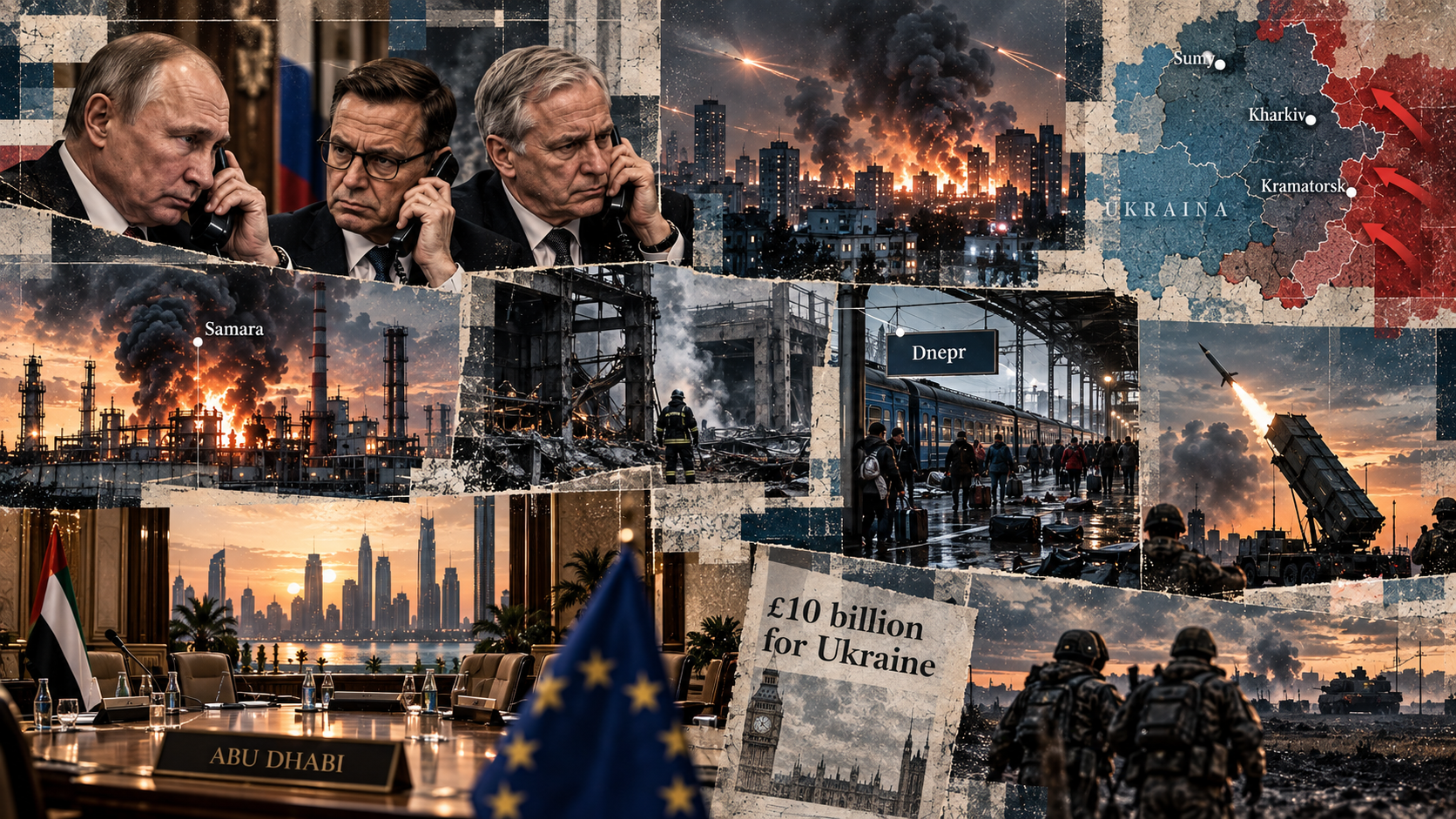
Russia launched another large-scale strike overnight into Friday against Ukrainian defence-industry facilities and the power grid, while also hitting port infrastructure in the Odesa region. The Russian Defence Ministry says the targets in Kyiv included Kyiv Radio Plant and Trimen-Ukraine, which manufacture components for drones and missiles, as well as the PS-330 Novokyivska substation near Khotiv. In the Dnipropetrovsk region, the PS-330 Svitle substation was hit; the facility is said to supply Dnipro’s defence industry.
Ukrainian authorities say Russia used four Kh-59/69 guided missiles, ballistic missiles and 113 drones, with 99 targets either intercepted or suppressed and impacts recorded at 17 locations. Ukrainian media report as many as 17 ballistic missiles directed at the energy sector, including a strike on an industrial facility in Kremenchuk. Around 350,000 households in the Dnipropetrovsk region lost power. The Defence Ministry also says a cargo ship in the Black Sea was hit.
The pattern suggests a deliberate campaign. No Kh-101 or Kalibr cruise missiles were reported overnight. There are unconfirmed reports that strategic bombers are being moved to forward air bases and loaded with cruise missiles. If true, that could indicate another major strike within the next few days.
According to this assessment, Russia is isolating Kyiv step by step: commercial air traffic has stopped, the rail network is being hit almost daily with more locomotives taken out of service, bridges across the Dnipro are increasingly under attack, data centres are being targeted, and substations around the capital are being struck one by one. The large Kyivska substation to the west of the city has not yet been hit.
Kyiv’s Southern Bridge has partially reopened after the strike several days ago, with one lane available to vehicles under ten tonnes, while metro traffic across the bridge remains suspended. The pattern of probing, testing and pausing continues.
Dnipro Station
On Thursday, a Russian jet-powered drone struck a platform at Dnipro’s main railway station as a train bound for Zaporizhzhia was preparing to depart. At least 14 people were killed and more than a dozen wounded. Zelensky called the attack “horrific”, while railway chief Oleksandr Pertsovsky said an elevated threat warning had been issued before the strike.
In September alone, passengers were evacuated from more than 5,800 train services because of drone attacks. Air defence reportedly intercepted three of four jet-powered drones heading towards the city. The strike shows that the railway network itself has become a direct target, and that stations can no longer be considered safe.
Samara and the Refinery Pause
Overnight into Friday, Ukrainian drones struck Rosneft’s Novokuibyshevsk refinery in the Samara region. Fire Point says FP-1 drones hit a diesel hydrotreatment unit, while local channels reported at least six fires.
The attack came only hours after the Wall Street Journal reported that Kyiv had paused refinery strikes under pressure from Trump, and it was the first such attack in almost two weeks. Deputy Prime Minister Novak confirmed that three refineries and a gas-chemical complex were attacked, saying at least one suffered “minor damage”. Russia’s Defence Ministry says 1,043 drones were shot down over 19 regions. The regional governor says two people were killed during clean-up operations in Samara.
The strike can be read as a clear signal that Zelensky does not intend to let Trump decide what Ukraine is allowed to attack, only days before the US midterm elections. Moscow appears to be using the episode to its advantage. Peskov says the refinery strikes do not threaten the Abu Dhabi talks and that Russia will not raise the issue there.
According to Reuters, crude processing at Russian refineries rose by around 25 percent in the second half of October after the attacks subsided. That may suggest the campaign is having an effect, although Moscow continues to insist that the damage is limited, and Novak himself has said the fuel situation has improved. According to this assessment, the diesel export ban may have been driven as much by political considerations as economic ones, but that has not been documented.
Peskov: Talks Are Not a Ceasefire
In an interview with NBC, Peskov said the talks do not amount to a ceasefire. Russia does not want a ceasefire but peace, he said, and the objective is a lasting settlement for future generations.
He added that preparations for the talks do not create any obligation to restrict military operations, that Russia opposes a ceasefire that would give Ukraine breathing space, and that agreeing on a date for the talks should not be difficult. Ushakov has already said that the Europeans will not have a seat at the table in Abu Dhabi.
The parties are arriving with different agendas. Ukraine and Europe want a ceasefire. Russia wants to discuss Europe’s security architecture. According to this assessment, the United States wants a mechanism that prevents a Ukrainian collapse while allowing Washington to step back from the conflict.
On that reading, the talks may be part of the price Trump had to pay for the diesel agreement, while Moscow is now explicitly rejecting the original objective of pushing Russia towards a ceasefire. If the talks are to produce anything, the parties will first have to agree on what they are actually negotiating.
Europe Divided Over the Nordic Call
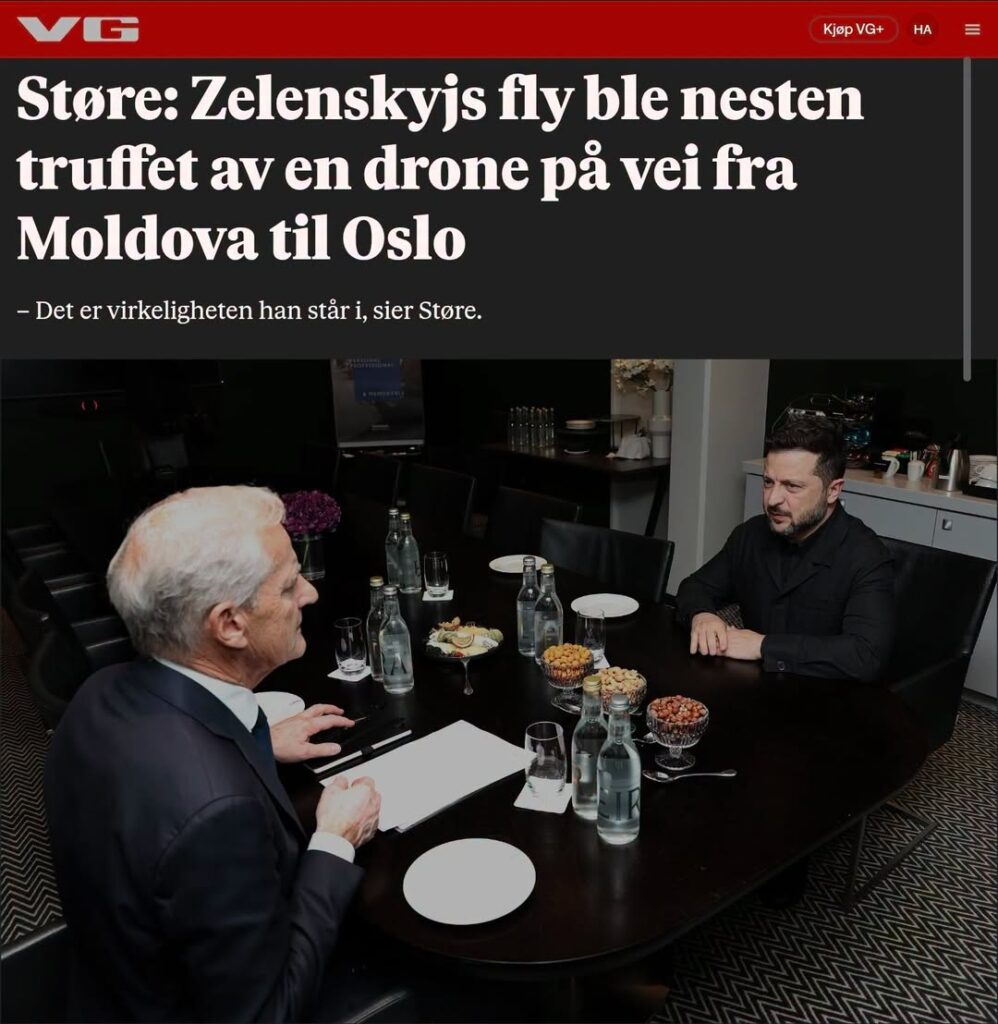
The dispute over the phone call between Putin, Stubb and Støre continues. Stubb says the conversation was prepared in coordination with Ukraine and the United States, while critics in Finland are asking how much the government knew beforehand. Støre has asked the Financial Times to correct its report about Putin supposedly delivering a history lecture, and the FT has refused.
On Thursday, Putin defended the call at a press conference after the Russia–Africa summit. Stubb and Støre opened by saying they did not represent the EU, and Putin described the initiative as the right one: there are people in Europe who do not want to inflict a strategic defeat on Russia, but instead want constructive dialogue. He said Russia supports any steps towards restoring relations, whether with the EU as a whole or bilaterally.
On European preparations for a possible war by 2030, Putin said Russia is prepared first and foremost, but does not want a war with Europe, adding that such a war would have no winners.
On the Baltic Sea, an issue raised by Stubb, Putin said Russia supports compliance with the law of the sea, and asked whether anyone really wanted the Baltic to end up in the same situation as the Strait of Hormuz. The remark has been interpreted both as a warning and as an opening towards dialogue. His wording — that Russia is prepared, but does not want war — allows for both readings. Moscow has at the same time made clear that it does not want Europeans at the negotiating table.
Britain: More Than £10 Billion
On Wednesday, Chancellor Healey announced a new British support package for Ukraine worth more than £10 billion, the largest so far.
Of that, £7 billion is economic support over three years, including up to £5.5 billion in World Bank guarantees and a £500 million contribution to the World Bank’s emergency lending programme. A further £3 billion will expand export-finance capacity, primarily for military deliveries.
The package also includes £500 million for air defence this winter. A large part of the package therefore consists of guarantees and lending capacity rather than direct cash transfers. Zelensky received the news during a phone call with Prime Minister Burnham.
The Front
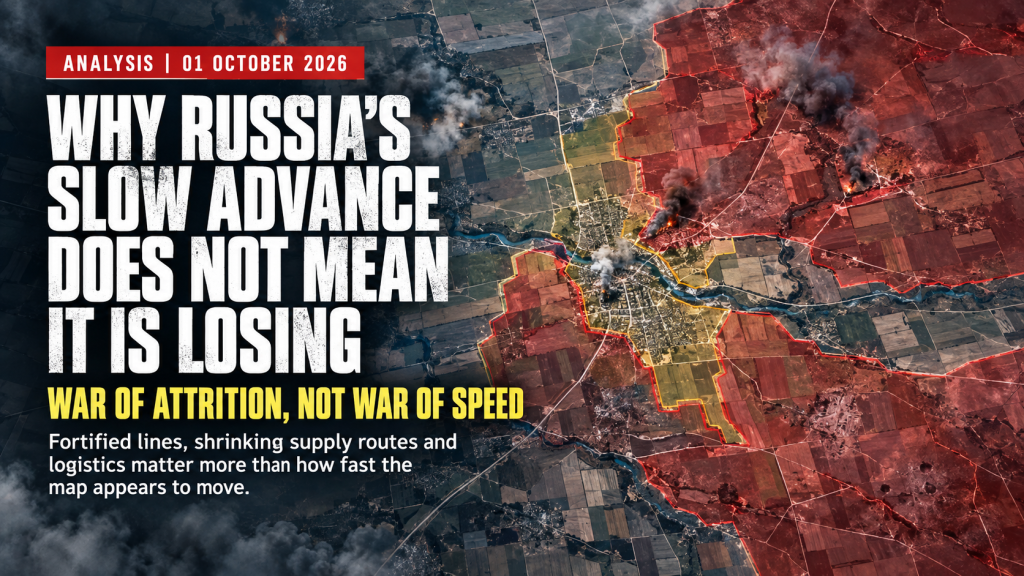
The Russian Defence Ministry’s weekly summary for 24–30 October says Group West has taken more favourable positions, that Ukrainian losses in Group Centre’s sector exceeded 2,400 troops, and that Group Dnipro has improved its positions.
The previous week’s summary listed Oleksiievo-Druzhkivka and Dobropillia among the settlements said to have been captured, claims rejected by Kyiv’s General Staff. Lyman has not been listed as captured in either summary.
In Oleshky, the local ceasefire entered its third day on Thursday, and is described as fragile.
The Overall Picture
Russia is intensifying its campaign against cities, railways and the power grid while the Kremlin insists that negotiations do not amount to a ceasefire. Ukraine has responded with a refinery strike that challenges Washington, while Europe is divided over who should be talking to Putin.
The result is that the Abu Dhabi talks, if they take place, will begin while the war is still being fought at full intensity.