Peace negotiations are nearing collapse
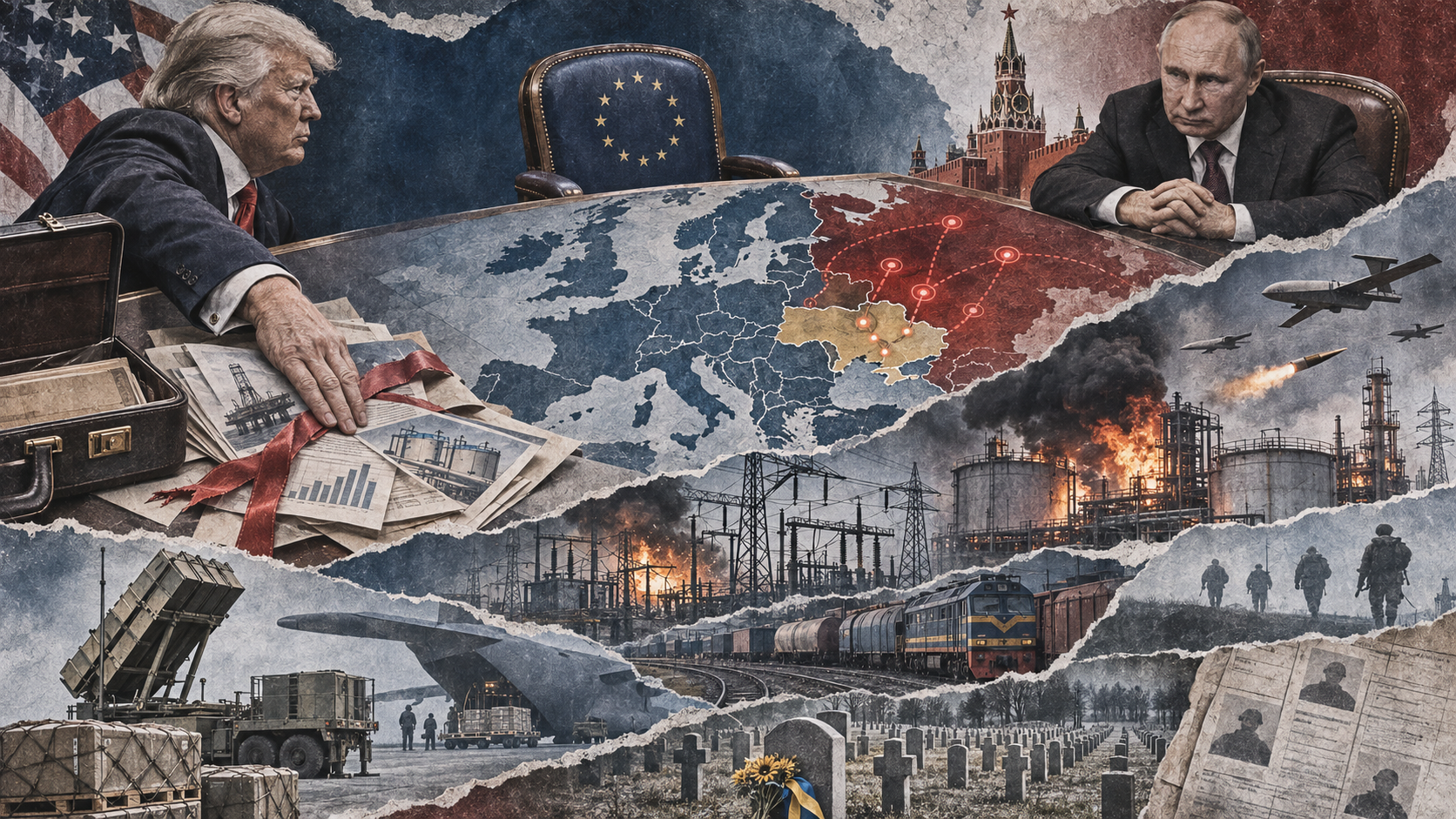
Russia has rejected American attempts to lure Moscow into concessions through trade agreements and investments. At the same time, the EU maintains its demands for a ceasefire before negotiations on Europe's security arrangement, while the Kremlin rejects both this order and European troops in Ukraine. Vladimir Putin warns of retaliation for Ukrainian attacks on Russian oil refineries, and new extensive missile strikes may be in preparation. The development points to a peace process that is at risk of collapsing, while Russia continues its military operations.
According to Financial Times the Trump administration has discarded proposals to use future business deals as a means to get Russia to end the war.
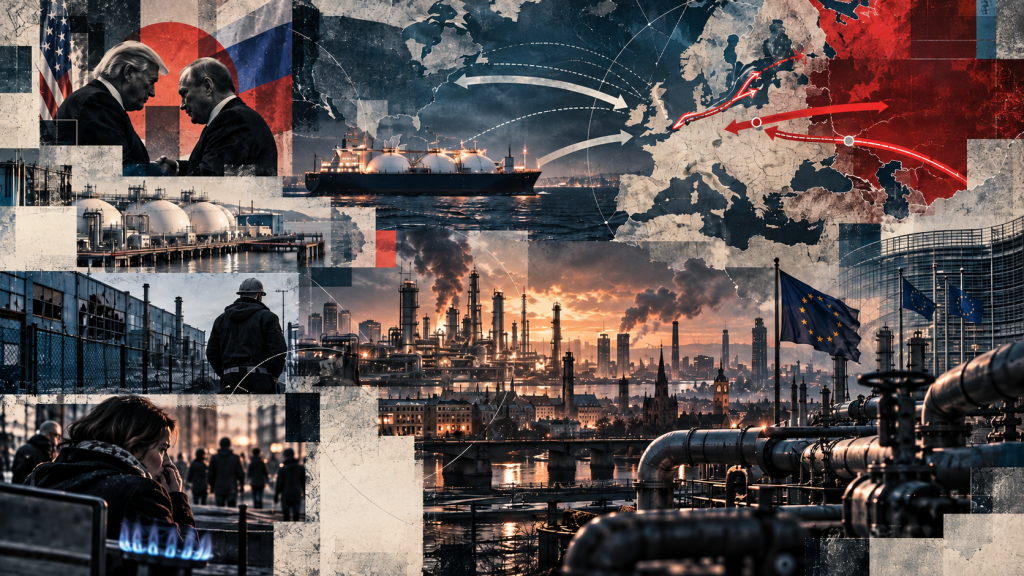
Steve Witkoff and Jared Kushner had discussed American investments in the Russian oil industry, titanium production, and the resumption of gas deliveries to Europe.
However, Moscow showed no interest in exchanging security policy demands for economic benefits.
Thus, the attempt to use economic cooperation as a bargaining chip appears to have failed. Russia has consistently maintained that an agreement must resolve the issues of Ukraine's territory, neutrality, and Europe's future security arrangement.
Europe shuts itself out of the negotiations
The second obstacle is Europe's own negotiating line.
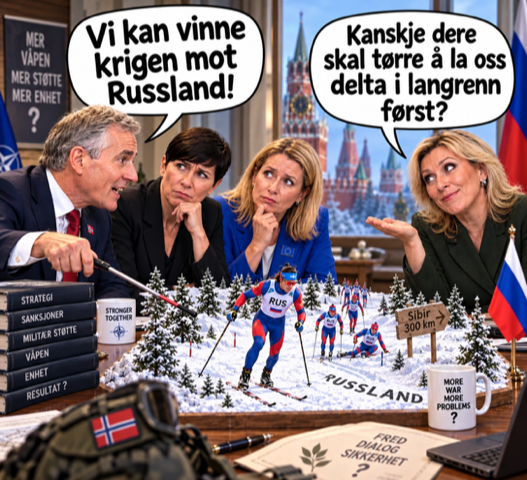
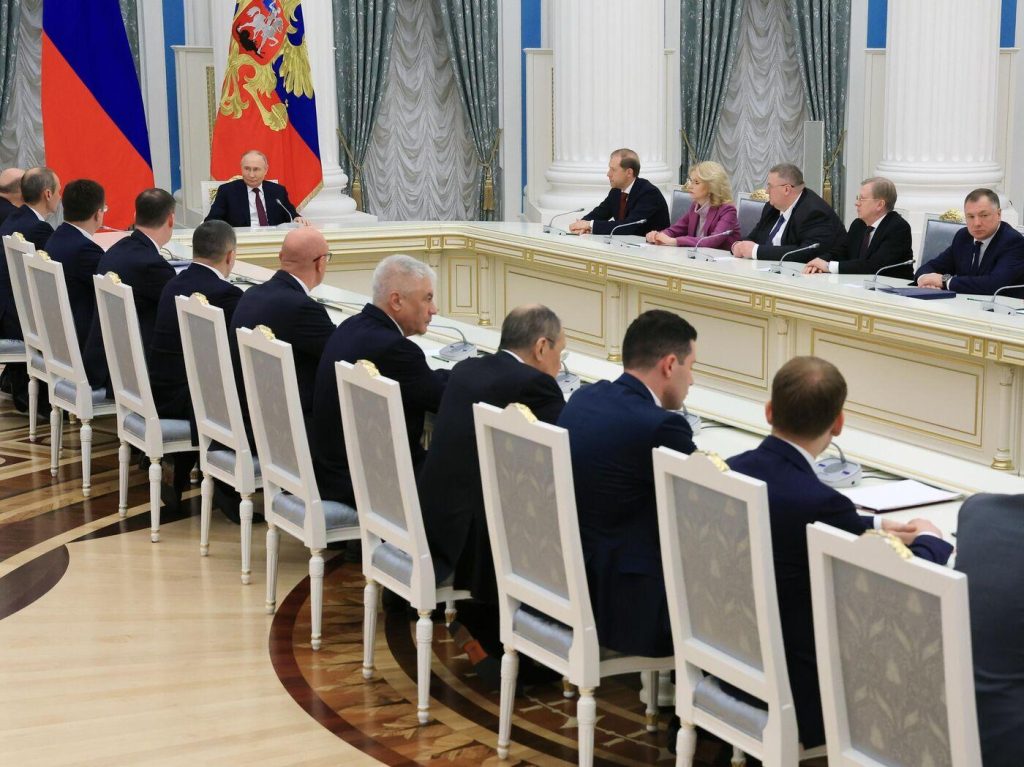
Russia has invited European representatives to Moscow to explain which proposals they wish to present, and why European participation will contribute to a solution.
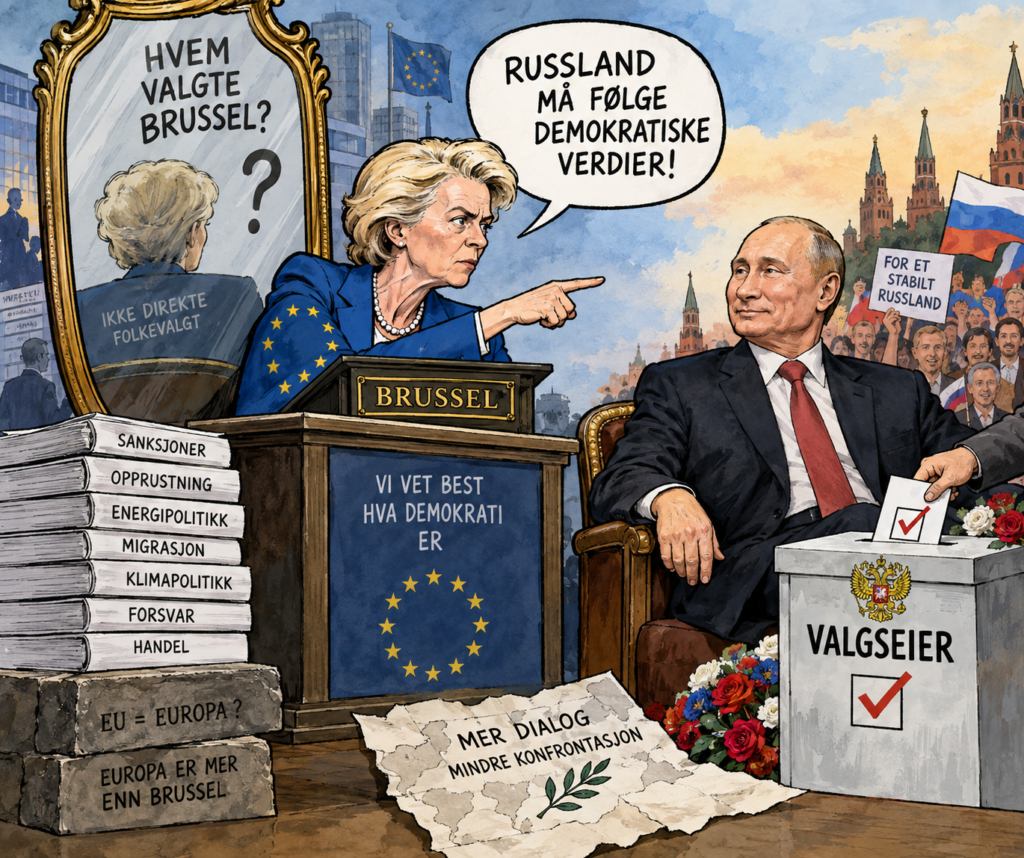
Instead, the EU has maintained its desire to participate in multilateral negotiations and insisted that a ceasefire must come before talks on the security arrangement.
Moscow demands the opposite.
Kremlin spokesman Dmitry Peskov emphasized on November 25 that any deployment of Western military forces in Ukraine is unacceptable to Russia. The statement was reported by Reuters.
Russia's leadership perceives European proposals for peacekeeping forces as a continuation of NATO's military presence, regardless of the designation the forces are given.
Germany's Chancellor Friedrich Merz and the British government have simultaneously maintained their demands for a ceasefire and European participation without meeting Moscow's fundamental security demands.
Although Putin's advisor Yuri Ushakov clarified on Wednesday that Russia has not received any formal European rejection of the invitation to Moscow, the political distance is significant.
It is therefore difficult to see how new tripartite negotiations between Russia, the USA, and Ukraine can proceed. If Ukraine insists on European participation while Russia does not accept it under the current conditions, the entire process could come to a halt.
Europe's economic dilemma
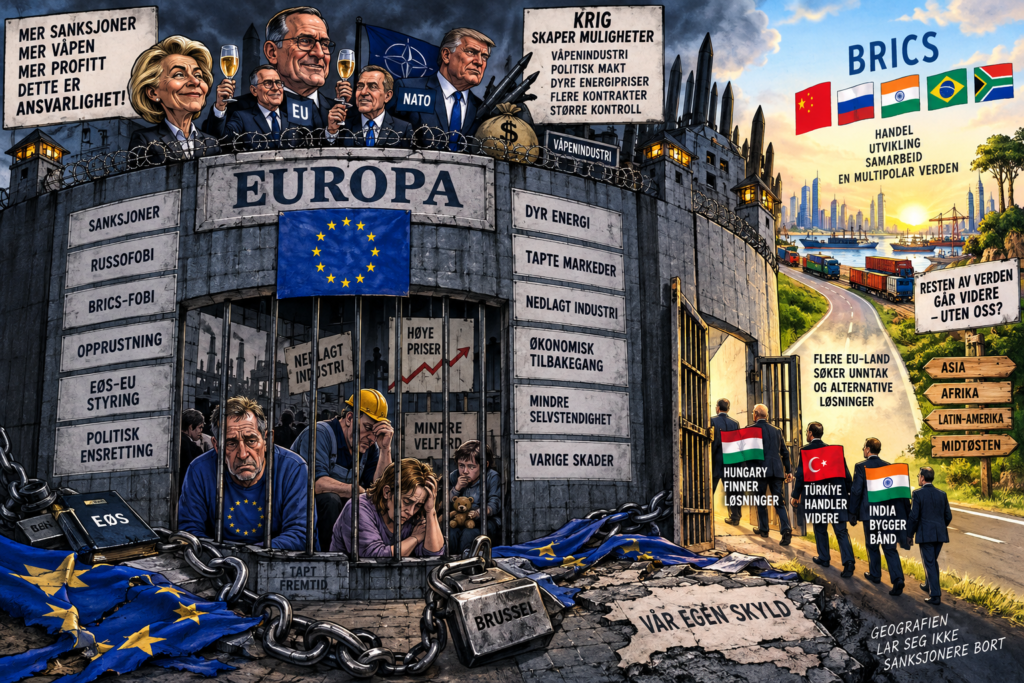
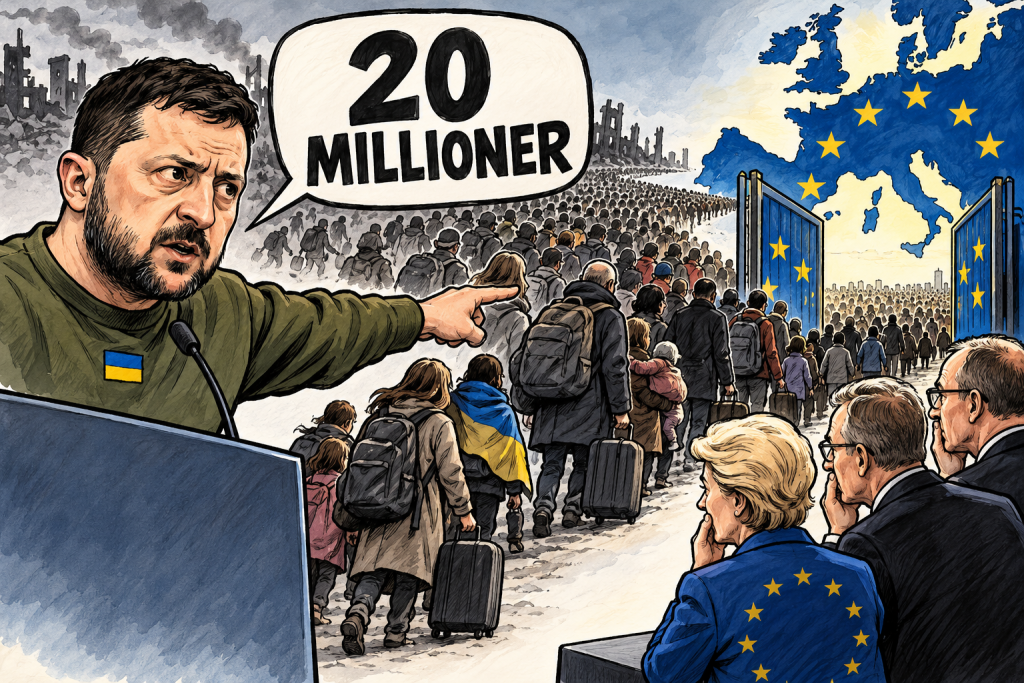
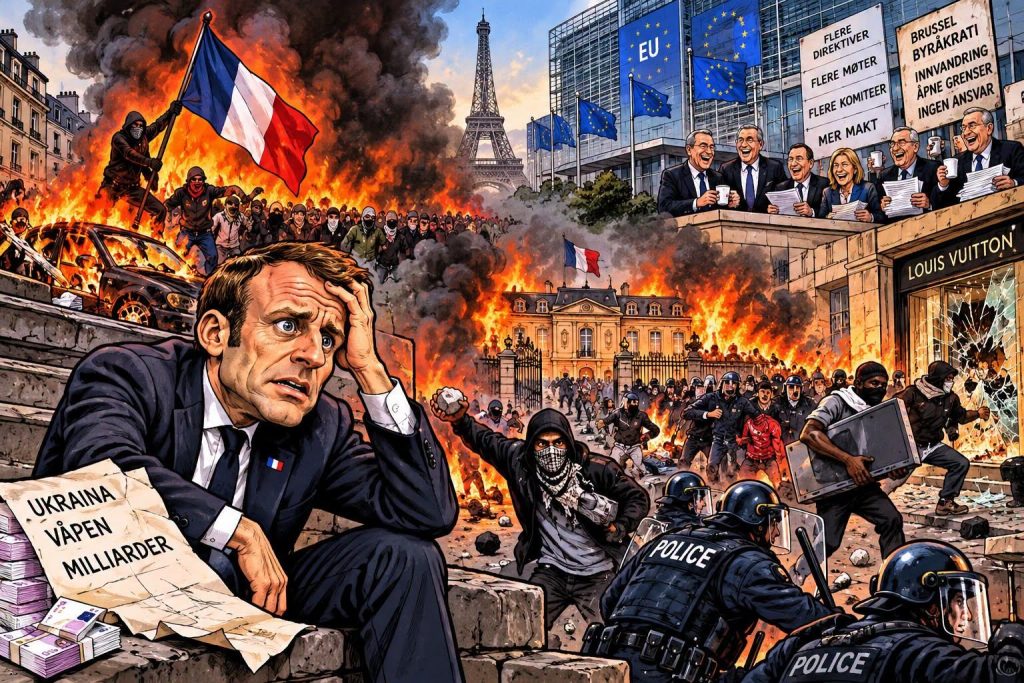
The deadlock comes at the same time as European countries face increasing economic burdens.
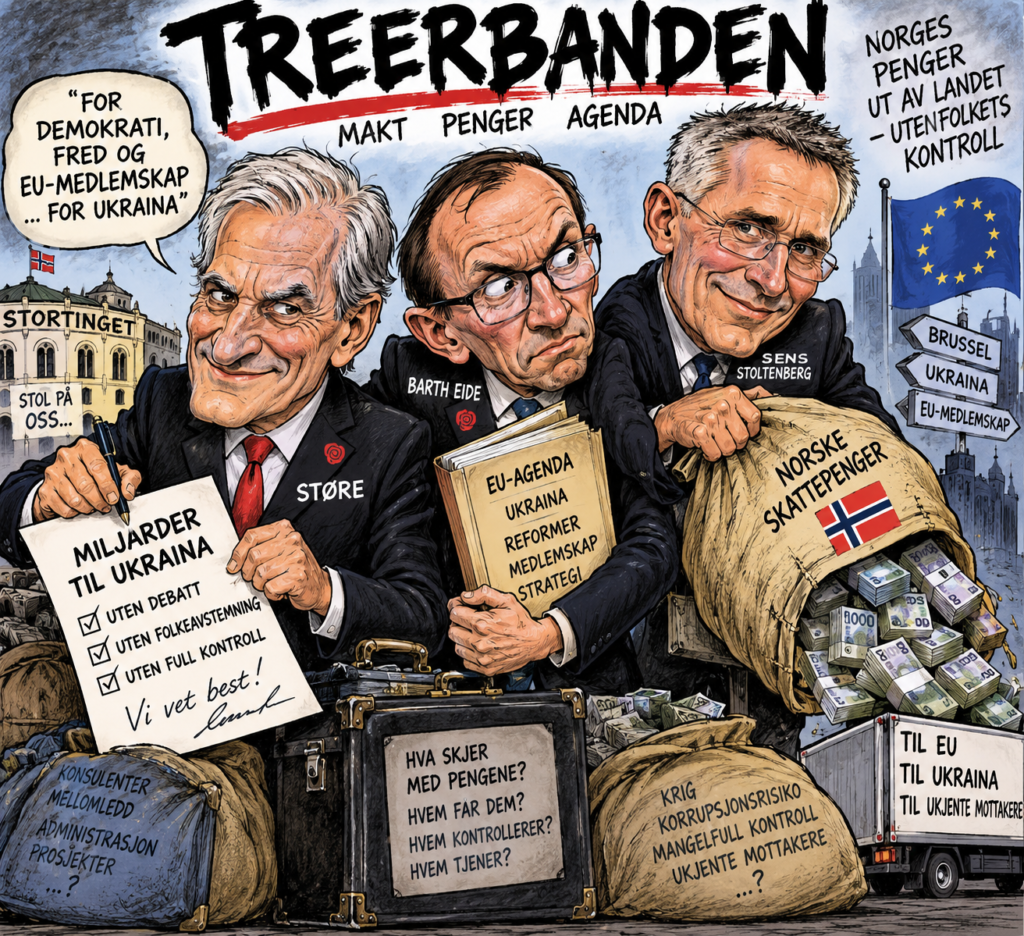
The European Commission has warned of rising debt, budget deficits, and pressure on public finances. Nevertheless, European governments continue to plan extensive economic transfers to Ukraine.
Ukraine's public finances are now so dependent on external support that a prolonged war will require ever more European funding.
At the same time, Russian attacks are hitting the country's energy supply, transport network, industry, and export opportunities.
This creates a fundamental problem: Europe must finance a war without any clear end date, while the costs of maintaining Ukraine's economy continue to grow.
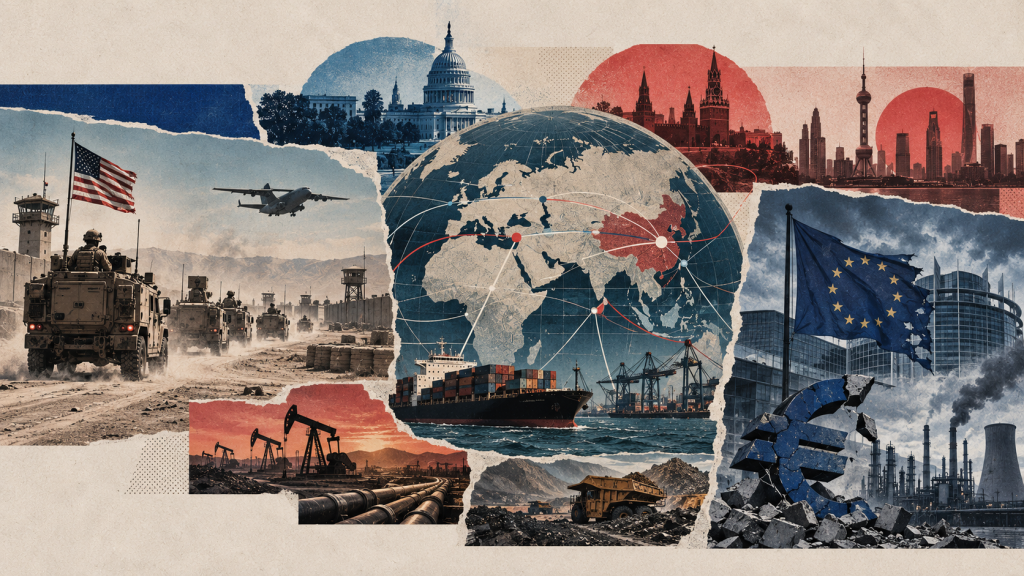
The American strategic overload further complicates the situation. The USA must allocate military and economic resources between Europe, the Middle East, and Asia.
Without a diplomatic solution, both Ukraine and its Western supporters risk the burdens continuing to rise.
Putin warns of new attacks
During a meeting on Russia's energy sector on November 24, Putin said that Ukraine continues attacks on Russian oil refineries despite Donald Trump's calls to stop them.
Putin announced according to Reuters that Russia will retaliate for the attacks.
He also said that Russian authorities had stabilized the fuel market, but that further protective measures for energy facilities were necessary.
The statements follow the attacks on the Kerch Bridge, the cargo ship Sparta II in the Baltic Sea, and the Russian corvette Merkurij in Benghazi.
It has not been made public which specific retaliatory measures Russia has decided.
However, reports on the readiness of Russian bombers and missile systems suggest that a new large-scale attack on Ukraine may be underway.
At the same time, Russian drones continue to strike Ukrainian transformer stations, power lines, railway locomotives, and transport facilities.
Russia's increasing use of relatively inexpensive attack drones makes it possible to attack far more smaller targets than before. Thus, the destruction of Ukraine's logistics and energy supply may become increasingly extensive.
The Patriot shortage highlights the West's problems
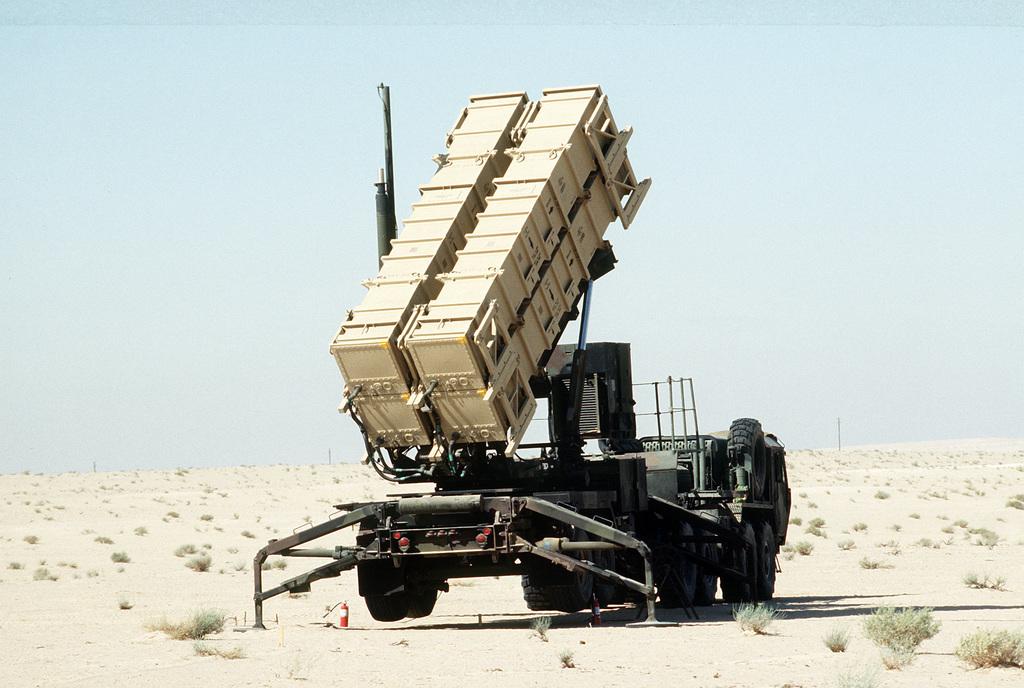
Ukraine's air defense is simultaneously facing serious supply problems.
According to Financial Times the Pentagon has not yet approved the transfer of about 60 Patriot interceptor missiles that Western allies have already funded. Zelensky has stated that 48 missiles are still awaiting approval.
Even such a delivery would be limited compared to the scale of Russia's missile attacks.
At the same time, other American allies are demanding more Patriot systems, and production faces limitations related to capacity and access to critical materials.
Ukraine increasingly needs air defense to protect its infrastructure, while Russia continues to increase pressure on precisely this infrastructure.
What do the loss statistics really tell us?
A central argument for continuing the war in Western decision-making circles is the expectation that Russia's military losses will eventually force Moscow to accept a deal on Western terms.
But how reliable are the numbers this expectation is based on?
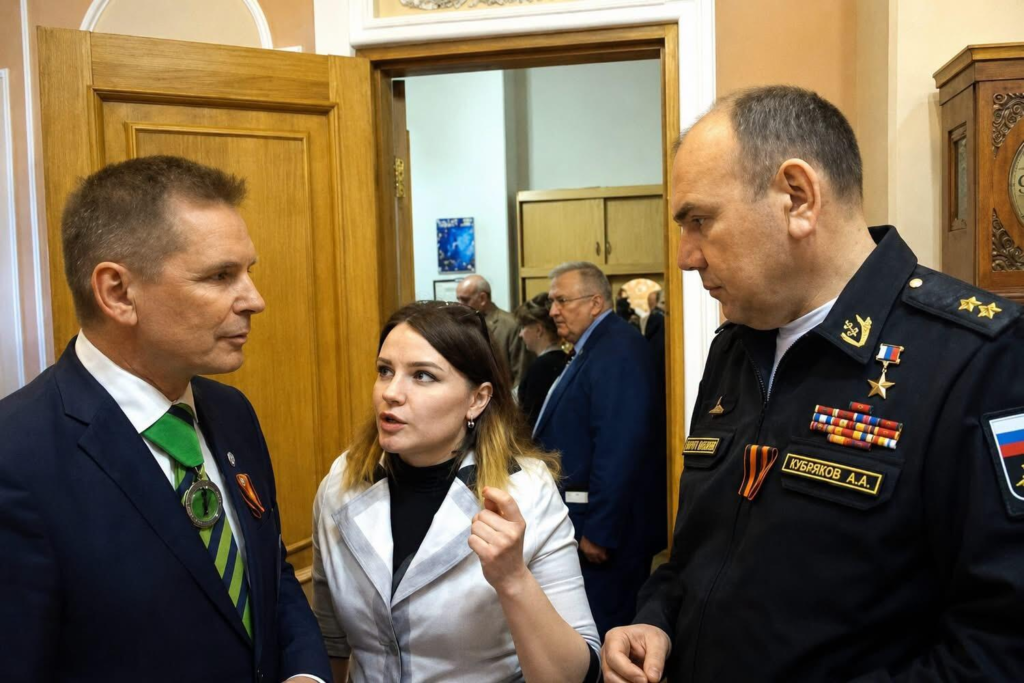
and research analysis by Alexander Grable, presented at the Finnish Defence University College, examined the relationship between Russian and Ukrainian losses using several indicators.
Among them were the exchange of fallen soldiers, registered war casualties, and confirmed deaths among officers.
A particularly remarkable fact is that Russia, on several exchanges, has returned between seven and ten Ukrainian soldier corpses for every Russian soldier corpse Ukraine has returned.
Such exchanges are not in themselves a complete measure of losses, but they constitute a concrete data basis that can be compared with other information.
Grable's analysis raises questions about whether Russian losses have been overestimated, while Ukrainian losses may also be underestimated.
The Rosstat leak and the question of credibility
In November, data was released that allegedly originated from a hacker attack against Russia's statistics agency Rosstat.
Claims of around 400,000 Russian deaths were followed by even higher estimates, up to 700,000.
However, the origin of the material is a central question.
A similar leak, allegedly from Ukraine's General Staff the year before, claimed that Ukraine had lost 700,000 soldiers killed. This leak also had an uncertain origin and was not established as reliable documentation.
Therefore, there is reason to ask the same critical questions about both leaks.
Could intelligence services have been involved? Who obtained the material, and how can it be independently verified?
The suspicion of intelligence operations is not documented, but uncertainty about the origin of a leak should not be overlooked because the numbers confirm a desired narrative.
Here, it is also necessary to distinguish between different data bases.
Mediazona's name-based register contained 289,136 identified Russian dead as of November 23. The significantly higher numbers are based on a separate analysis of leaked registry information and statistical calculations.
Mediazona and Meduza state that they have checked the leakage against other registers, but the question of whether the calculations provide an accurate overall loss picture is still under review.
Russia does not act as a state on the brink of collapse
Perhaps the most important objection to the expectation of an imminent Russian collapse is Russia's own conduct.
Moscow has not requested a ceasefire on Western terms. Nor has it offered territorial concessions or abandoned its security policy demands.
On the contrary, Russia continues the offensive and rejects proposals that do not meet the country's original goals.
This does not prove that Russian losses are small. But it weakens the argument that the losses have already forced Russia into a militarily untenable situation.
If European leaders base their strategy on the idea that Russia will soon run out of soldiers, they may therefore make a serious misjudgment.
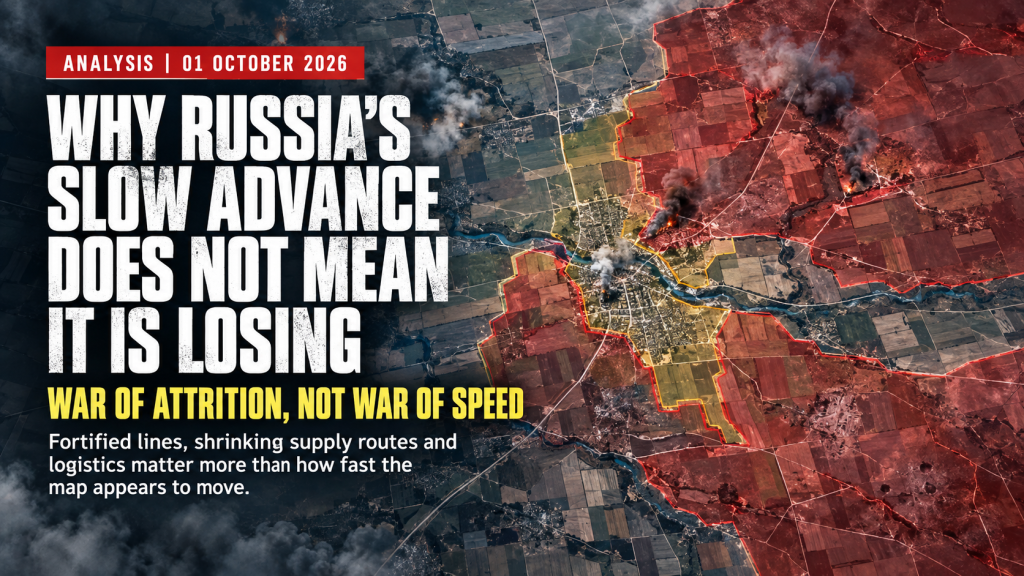
Developments at the front highlight the problem. Russian sources report further advances, including around Dobro oil, while Moscow maintains both its military operations and diplomatic demands.
The crucial question is therefore not only how many soldiers Russia has lost, but whether the losses actually weaken the country's ability and willingness to continue the war.
So far, Russia's actions show few signs that Moscow feels compelled to give in.
Without a change in the Western governments' conditions, the war could therefore continue while Ukraine's military and economic situation worsens.