Over 110 missiles and 400 drones against Ukraine
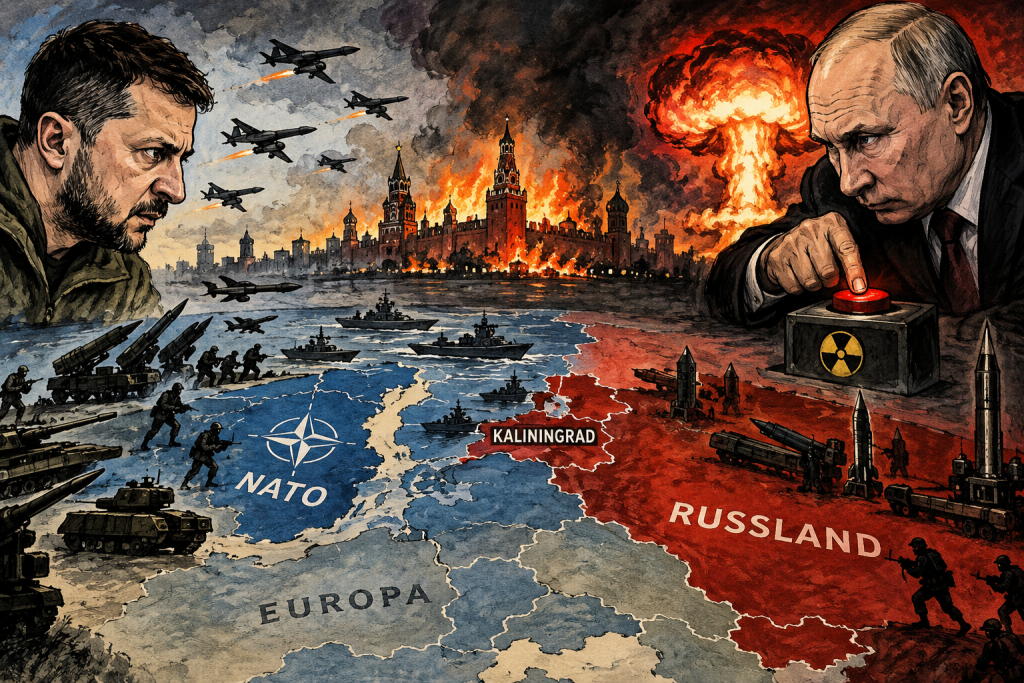
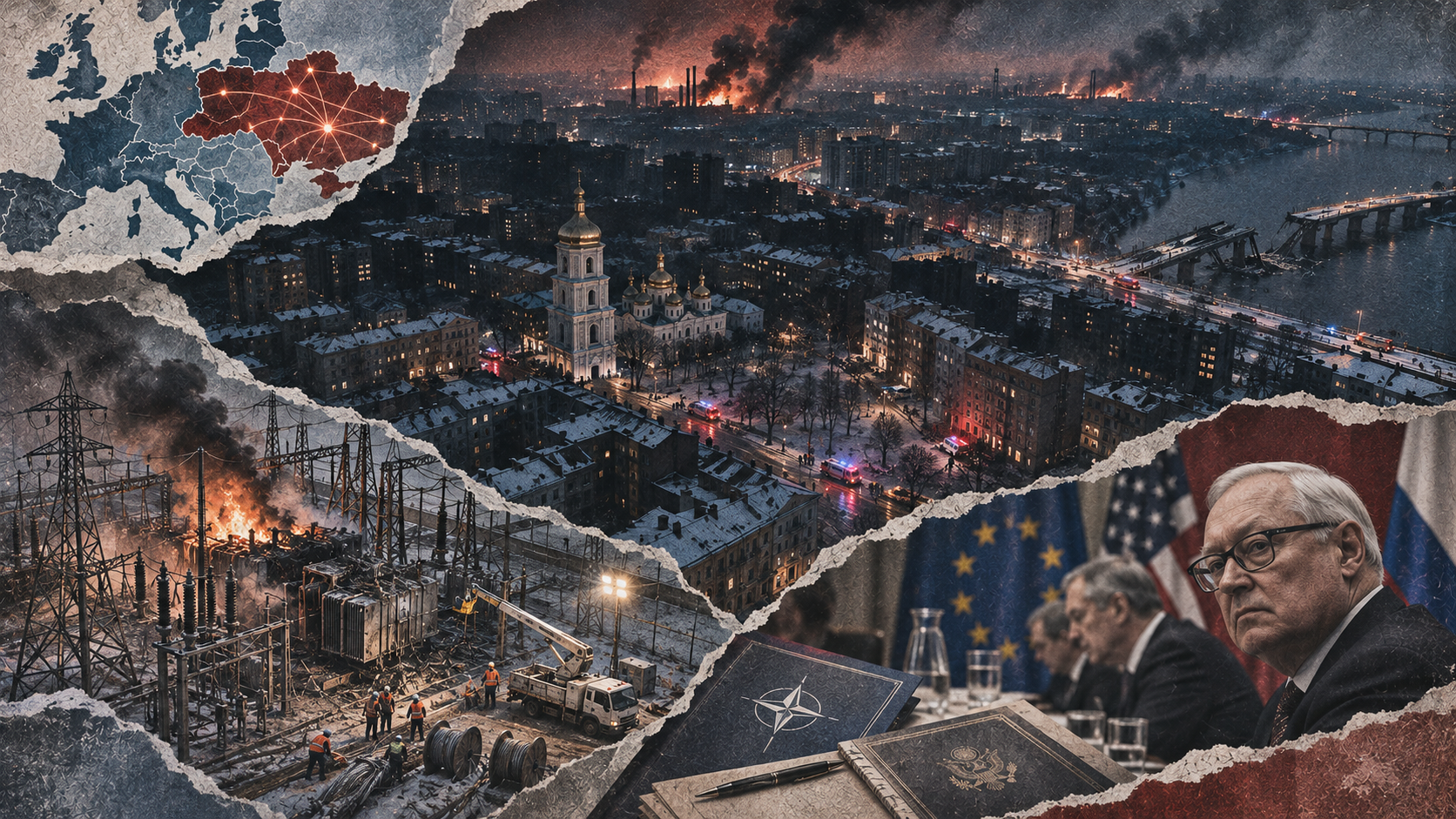
On the night of Friday, November 20, Russia carried out one of the war's most extensive missile and drone attacks against Ukraine. Three bridges over Dnipro in Kiev were hit, and attacks on power plants and transformer stations caused power outages in large parts of the country. At the same time, Russia's Deputy Foreign Minister Sergei Ryabkov rejected American claims of progress in the peace negotiations. Moscow accepts neither NATO-like security guarantees for Ukraine nor automatic European participation in the negotiations. Ryabkov also hinted that Russia's opposition to Ukrainian NATO membership could now also have consequences for the country's possible EU membership.
According to Reuters President Volodymyr Zelensky stated that Russia had fired more than 110 missiles, including 27 ballistic missiles, and over 400 drones. The attacks hit energy facilities, railways, and other infrastructure across large parts of Ukraine.
Ukrainian authorities reported at least eight dead on Friday, six in Kiev and two elsewhere. Later reports showed a higher death toll.
The Russian Ministry of Defense claimed to have attacked facilities for the production of explosives, drones, and missiles, as well as transport links that, according to Moscow, are used for military supplies. The extent of the damage to these military targets has not been independently confirmed.
Three bridges hit – traffic between Kiev's riverbanks is limited
The most significant aspect of the attack may be the systematic destruction of transport links over the Dnipro.
Kyiv's mayor Vitaliy Klitschko confirmed that Three bridges were hit: Podilsko-Voskresenskyi Bridge, Darnytskyi Bridge, and the Southern Bridge. The attacks led to closures and traffic restrictions between the eastern and western parts of the capital.
In recent weeks, Russia has carried out repeated attacks on Kiev's bridges. The damage thus comes on top of previous destruction, while Ukrainian repair crews are trying to keep the connections open.
Dnipro geographically divides Ukraine, and a significant portion of the country's military forces operate east of the river. Supplies from the west must therefore be transported over bridges that are already under significant strain.
It is not necessary to completely destroy a bridge to reduce its military usefulness. Repeated attacks can make it unsuitable for heavy transport, force traffic onto alternative routes, and increase the strain on connections that are still functioning.
This is the strategic difference between Ukraine's attack on the Kerch Bridge and Russia's attack on the Dnipro bridges. Russia has developed alternative land connections to Crimea through the areas north of the Sea of Azov. Ukraine, on the other hand, depends on a limited number of major river crossings for transport between western supply areas and the eastern front.
That does not mean Ukraine's forces are cut off from supplies. But if the attacks continue and repairs do not keep up, the logistical consequences could become increasingly greater.
Attacks on the power grid force nuclear power plants to reduce production
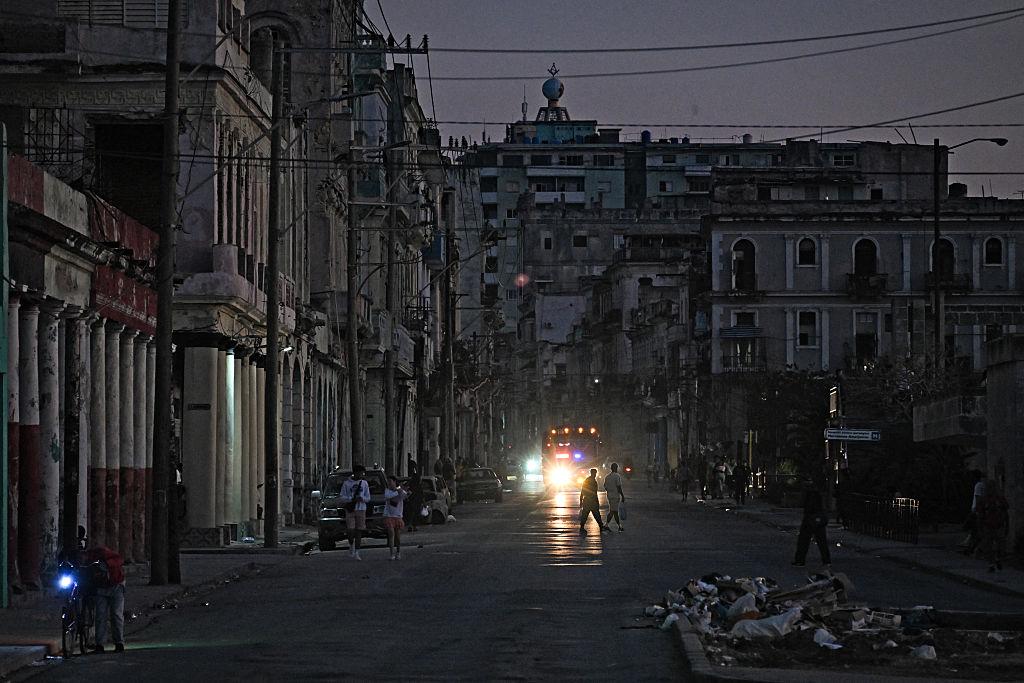
Ukraine's energy supply was also severely affected.
According to Associated Press Power plants, transformer stations, and transmission lines were hit. The damage forced the country's three operational nuclear power plants to reduce production, while emergency shutdowns were introduced in eleven regions.
Particularly serious is the report of an attack on the large 750-kilovolt transformer station Zakhidnoukrainska in Western Ukraine. The facility is an important part of the country's high-voltage grid and the connections to energy systems in Europe.
Such an attack can have consequences that extend far beyond the facility itself. When central transformer stations are shut down, electricity cannot necessarily be transferred where it is needed, even if power production continues.
This explains why Ukrainian nuclear power plants have to reduce production when the transmission grid is damaged.
The attacks come as winter approaches, and the power supply is crucial for heating, water supply, industry, and transport.
Russian missiles fell in Poland
The attack also had direct consequences for a NATO country.
Polish authorities stated that Two Russian missiles and an alleged drone landed on Polish territory. Poland's defense minister characterized the incident as a Russian provocation.
No fatalities or extensive injuries were reported.
The incident shows the risk that the extensive missile and drone attacks could have direct consequences beyond Ukraine's borders. However, there is no documentation that Russia deliberately attempted to hit targets in Poland.
Ryabkov rejects Kushner's optimism
While the attacks were ongoing, new statements came from Moscow emphasizing the distance between Russia and the USA in the peace negotiations.
During a meeting with European leaders in Berlin, Donald Trump's envoy Jared Kushner claimed that Washington had made progress in getting Russia to accept security guarantees for Ukraine modeled on NATO's Article 5.
That would mean an arrangement where Ukraine, without becoming a NATO member, would receive security guarantees similar to the alliance's collective defense obligations.
But Russia's Deputy Foreign Minister Sergei Ryabkov categorically rejected this.
According to Reuters Ryabkov said that any solution involving some form of Ukrainian "quasi-membership" in NATO is unacceptable to Moscow.
He emphasized that Russia primarily discusses security guarantees based on its own security, and that Ukraine must acknowledge Russia's demand to remain outside NATO.
Ryabkov also confirmed that no agreement has yet been reached on a new trilateral negotiation round between Russia, Ukraine, and the USA.
Moscow raises new questions about Ukrainian EU membership
The most far-reaching aspect of Ryabkov's statements, however, was his reference to the EU.
Russia has previously distinguished between Ukraine's possible EU membership and NATO membership. Now Moscow suggests that this distinction has become increasingly irrelevant.
Ryabkov stated that Russia sees little difference between the two organizations, referring to the EU's increasing military ambitions, the union's security-political role, and its confrontation with Russia.
According to TASS's rendering Moscow therefore believes that the question of Ukrainian EU membership must also be assessed based on the principle of indivisible security.
This does not mean that Russia has formally proposed an absolute ban on Ukrainian EU membership. But the statement opens the door for Moscow to demand changes in Europe's security policy framework before the country can accept such a solution.
That would significantly expand the negotiations. The question would no longer only concern Ukraine and NATO, but also the EU's future relationship with Russia.
Europe is invited to Moscow – without any guarantee of a negotiating seat
Ryabkov also confirmed that Russia is working on an invitation to representatives from the United Kingdom, France, and Germany.
The purpose is to get European countries to clarify their positions on Ukraine and Europe's security arrangement.
But a possible trip to Moscow does not automatically mean that European representatives will participate in the trilateral peace negotiations.
It will depend on which proposals the European countries put forward, and whether Russia believes they provide a basis for further talks.
Thus, the negotiations remain stuck on the same fundamental issue: the US and the European governments seek an arrangement that secures Ukraine against future attacks, while Moscow demands that any agreement simultaneously changes the security policy conditions Russia believes led to the war.
New attacks announced – no diplomatic solution in sight
On November 19, Putin announced that Russia would respond strongly to Ukraine's repeated attacks on the Kerch Bridge.
It is still unclear whether last night's extensive attack was the retaliation Putin signaled, or if Moscow is planning further operations.
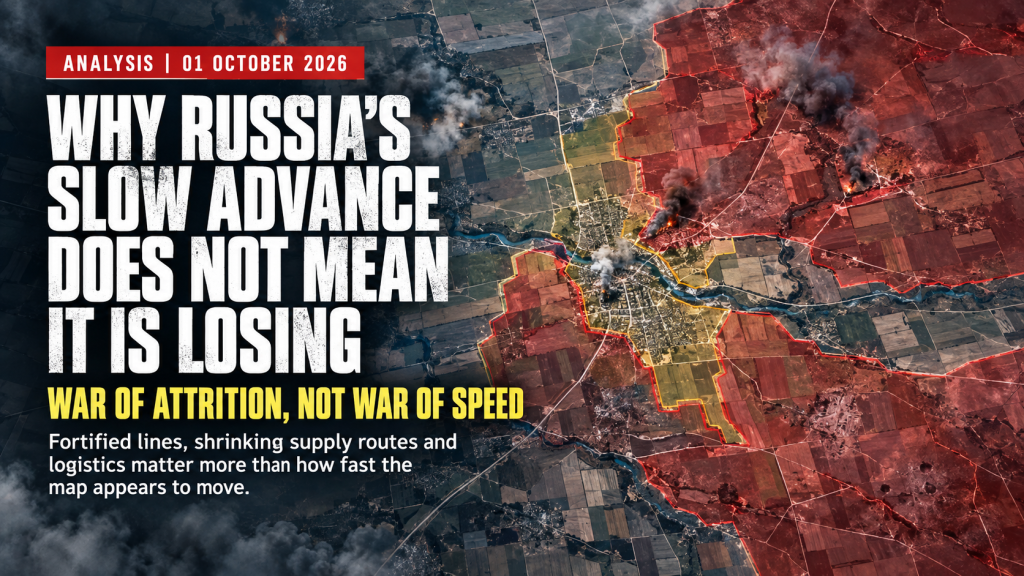
At the same time, Russian sources report continued advances at Borova, Liman, and west of Kramatorsk. Information about the latest territorial changes has not been independently confirmed.
The development points to increasing Russian pressure on Ukraine's transport and energy system, while diplomatic tensions persist.
Ryabkov's statements show that Moscow has not moved closer to the American negotiating line. On the contrary, Russia's new objections to Ukrainian EU membership could widen the distance between the parties even further.