Rumours of a Decision by Russia’s Security Council
Reports that Russia may have lifted a previous ban on targeting Ukrainian President Volodymyr Zelensky and the country’s senior military leadership have circulated in Russian media and Telegram channels in recent days. According to the reports, the decision was allegedly discussed during a meeting of Russia’s Security Council on 12 November, shortly after Vladimir Putin had met the US envoys Steve Witkoff and Jared Kushner in the Kremlin.
There is no official confirmation that such a decision was taken. Nor have Russia’s security and intelligence services commented on the reports. The Russian publication EADaily stresses that the claims are based on anonymous sources and concern the possible lifting of an unofficial restriction.
What has been confirmed is that Putin convened the Security Council on 12 November to hear reports from the Russian delegation that had participated in negotiations with the United States and Ukraine in Abu Dhabi.
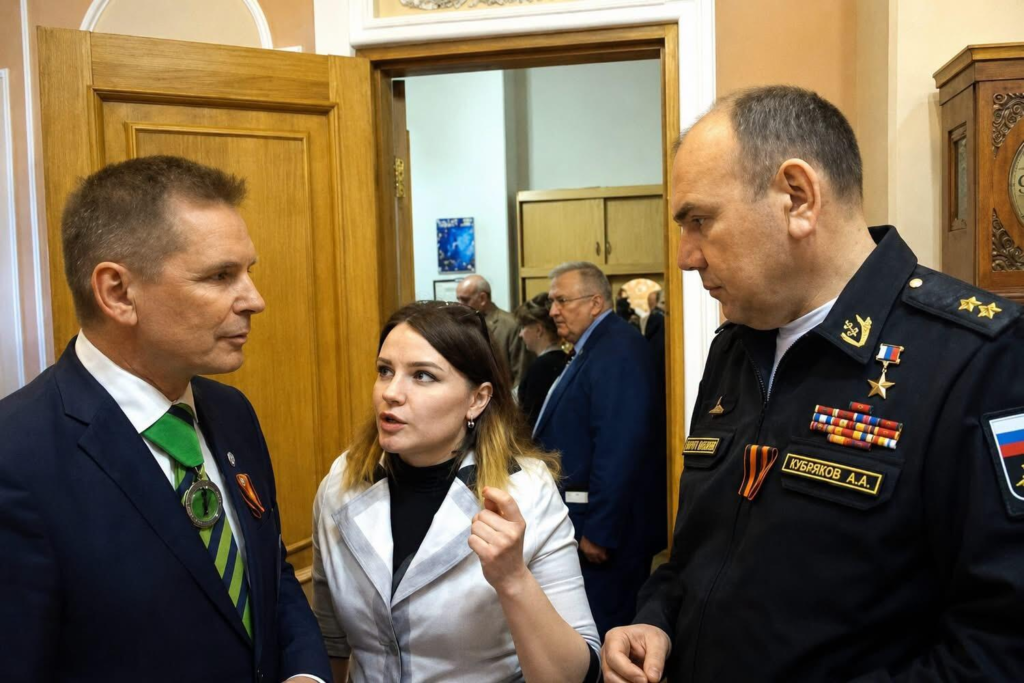
Those attending included chief negotiator Vladimir Medinsky, representatives of the Foreign Ministry and senior military and intelligence officials. The meeting therefore gave the Russian leadership an opportunity to assess both the results of the negotiations and the broader military and political situation.
The presence of these officials does not establish that any decision concerning Zelensky was made. But the timing of the rumours is notable, because they come amid a clear hardening of Moscow’s diplomatic demands and a continuing large-scale Russian attack campaign against Ukraine.
From Earlier Restraint to a Possible Change of Course
Russia has previously indicated that it did not want to kill Zelensky. Former Israeli Prime Minister Naftali Bennett said in 2023 that Putin had assured him during a meeting in Moscow in March 2022 that Russia would not attempt to kill the Ukrainian president.
According to Bennett’s own account, he passed that assurance on to Zelensky.
Since then, the character of the war has changed. Ukraine has carried out several assassination and sabotage operations against targets in Russia, while Russian attacks on Ukrainian energy, transport and military infrastructure have increased in scale.
Russian authorities have also accused Ukraine of attempting to strike Putin’s residence in the Valdai area in December 2025. According to media reports, the US Central Intelligence Agency disputed Russia’s account of what the drone attack was targeting.
Any possible change in Russia’s position must therefore be viewed in the context of both military developments and reciprocal attacks against targets far from the front.
There is also a political dimension. Moscow regards Zelensky’s rejection of Russian territorial demands as a significant obstacle to an agreement. A changed assessment of his political role could affect how the Russian leadership evaluates its future options. But without documentation from the Security Council meeting, it is not possible to establish whether this has in fact resulted in a new decision.
Peskov: Ukraine and Europe’s Security Cannot Be Separated
While the reports concerning Zelensky remain unconfirmed, the Kremlin has provided a much clearer statement of Russia’s official negotiating position.
On Sunday, 15 November, Kremlin spokesman Dmitry Peskov said that a settlement of the war in Ukraine cannot be treated separately from a new security architecture for Europe.
In remarks to Russian journalist Pavel Zarubin, Peskov stressed that the two issues are inseparably linked. He also made clear that Russia will continue to pursue its objectives by military means if there is no possibility of reaching an agreement.
This amounts to a direct rejection of the idea of ending the war through a ceasefire while postponing discussions on Europe’s future security.
The United States has proposed that the Ukraine issue and the security architecture be handled through parallel negotiating tracks. Russia, by contrast, maintains that any lasting agreement must encompass both.
The background lies in Russia’s demands from December 2021, when Moscow proposed legally binding agreements with the United States and NATO covering restrictions on the alliance’s military expansion and the deployment of weapons systems near Russian borders.
Those demands were rejected before the invasion in February 2022. Russia has now revived them and signalled additional conditions, citing the experience of almost five years of war.
For Moscow, Ukraine is therefore not an isolated territorial question, but part of the broader confrontation over Europe’s security order. In Russia’s wider security-policy perspective, Europe itself forms the western part of Eurasia.
Two Different Models for European Security
The disagreement between Russia and the European countries has historical roots.
During the Cold War, NATO and the Warsaw Pact existed as rival military alliances. At the same time, Eastern and Western countries developed a separate diplomatic framework for European security, culminating in the Helsinki Final Act of 1975.
This arrangement was based, among other things, on state sovereignty, the inviolability of borders, the peaceful settlement of disputes and the principle that security in Europe is indivisible.
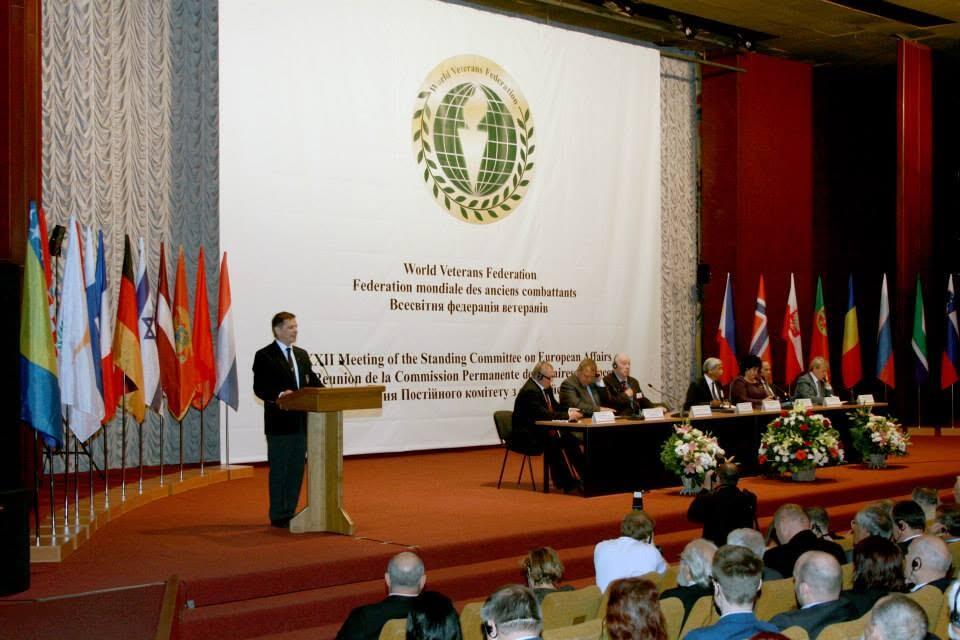
After the Cold War, these principles were carried forward through the Charter of Paris in 1990, the establishment of the Organization for Security and Co-operation in Europe, the OSCE, and the Istanbul Charter in 1999. The OSCE’s historical security documents
At the same time, NATO continued to exist and expanded its membership eastward.
These two security models have different starting points. The OSCE is based on a common framework encompassing both Russia and Western countries. NATO is based on collective defence among the members of the alliance.
Russia has long argued that NATO enlargement has undermined the principle of indivisible security. Western governments, for their part, have emphasised that states themselves must be free to choose their security alliances.
The conflict therefore concerns not only Ukraine’s future relationship with NATO, but which principles should govern security relations between Russia and the rest of Europe.
The negotiations in Abu Dhabi have brought this fundamental disagreement back onto the diplomatic agenda.
Europe Still Lacks a Unified Negotiating Position
Following the meetings in Dublin, European governments have chosen to continue the process through a group consisting of Germany, France, Italy, Poland, Britain and representatives of the EU institutions, rather than appointing a single chief negotiator.
That makes it more difficult to establish a unified negotiating position towards Moscow.
Russia has meanwhile questioned what the Europeans actually want to negotiate about, since several European leaders have rejected making NATO’s security arrangements subject to renegotiation.
Peskov’s remarks show that Moscow no longer regards a ceasefire as a separate diplomatic objective. If the parties cannot agree on the future security order, Russia is signalling that military operations will continue.
The Europeans therefore face a problem that cannot be solved simply by appointing a negotiator. They must also decide what they are willing to discuss.
Russian Strikes Continue — Increasing Pressure on Ukrainian Supply Lines
At the same time, Russia continues its attacks on Ukrainian infrastructure.
There are reports of extensive air strikes against Zaporizhzhia, including the use of glide bombs from Russian combat aircraft. Several reports suggest that transport links and infrastructure in the area may have been among the targets, but the extent of the damage and the specific targets have not yet been definitively established.
The strategic significance lies in the city’s location on the Dnipro and its role as a transport and industrial hub.
Ukrainian forces east of the river depend on functioning links to receive supplies and reinforcements. Repeated attacks on transport infrastructure can therefore have effects extending far beyond the individual impact sites.
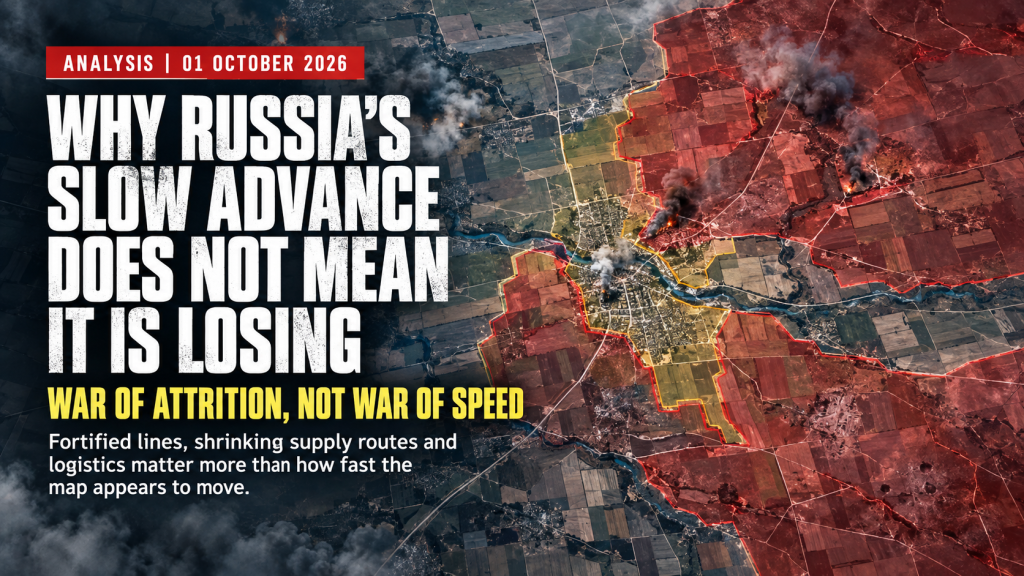
Russian military sources are also reporting further advances in the Donetsk region, particularly around Dobropillia and towards the Ukrainian defensive positions around Sloviansk and Kramatorsk. How extensive the latest territorial changes actually are remains disputed.
If Russia manages to put further pressure on these defensive positions while transport capacity is simultaneously reduced, Ukraine’s military room for manoeuvre could become more limited.
It is this connection between military pressure and diplomatic demands that now defines the negotiations.
Russia is trying to secure a security order it failed to obtain before the war. The Western countries want to end the fighting without giving Moscow the extensive influence over Europe’s security system implied by the Russian demands.
As long as this contradiction remains, a diplomatic end to the war will be difficult to achieve. And if military developments continue to strengthen Russia’s negotiating position, the demands Moscow puts forward may become even more difficult for European governments to accept.