No Ceasefire in the Air War
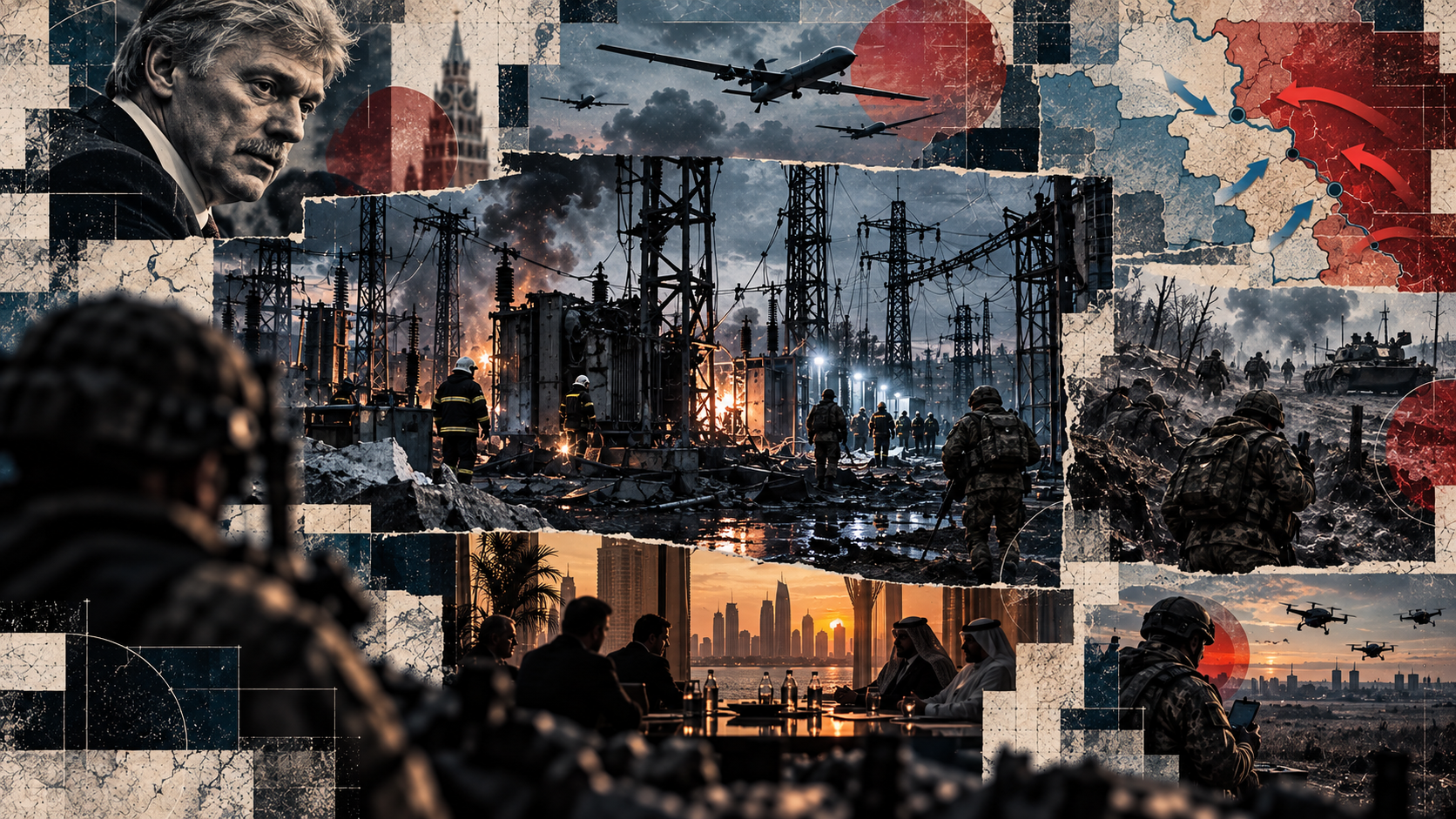
On Monday, Kremlin spokesman Dmitry Peskov said the decision to resume trilateral talks between Russia, the United States and Ukraine “does not impose any restrictions on military operations”. Russian forces, he said, will continue what Moscow calls its special military operation, including large-scale and sustained strikes on Ukraine’s military-industrial complex and other military or military-related targets. The talks themselves will be “very serious” and detailed, and Moscow does not intend to discuss them publicly. The message is simple: the air war will continue regardless of what is said in Abu Dhabi.
Zelensky, meanwhile, says he is prepared to accept an agreement that freezes the war along the current line of contact, while US House Speaker Mike Johnson says Washington is planning trilateral talks. Moscow has so far rejected any such freeze, and Putin has said he is willing to negotiate on Russian terms. There is much to suggest that Russia is comfortable negotiating while the fighting and strikes continue, because it keeps Washington engaged in talks rather than moving towards escalation.
Oleshky: A Ceasefire That Has Not Yet Begun
The local ceasefire in Oleshky, in the Kherson region, reportedly brokered by Melania Trump, is due under the Russian version of the arrangement to begin at 4 p.m. Moscow time on Tuesday. The White House, however, says the ceasefire starts on 29 October.
The town had around 24,000 inhabitants before the war; today, only 1,700 to 2,000 are believed to remain. Peskov says Moscow appreciates the American effort and hopes Ukraine will honour what has been agreed. In Ukraine, there is scepticism about the evacuation, and the Kyiv Post writes that Russia has used the town as a key position for more than four years.
There has been speculation that the evacuation is preparation for a Ukrainian crossing of the Dnipro. There is no evidence for that. The terrain along the lower Dnipro has become wet and marshy since the destruction of the Kakhovka dam in 2023, and a large-scale crossing would be difficult for either side. The issue may primarily be turning into a propaganda contest over who can present itself as protecting civilians.
Three Different Negotiations
The biggest problem facing the Abu Dhabi talks is that the parties do not appear to want to discuss the same thing.
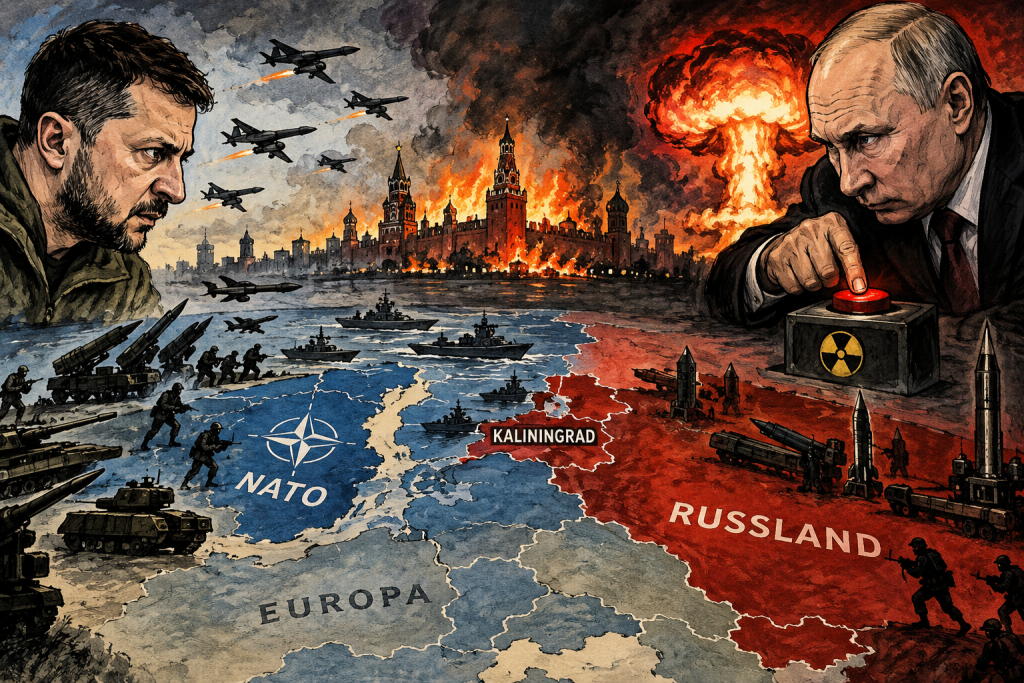
After Putin’s meeting with Witkoff in St. Petersburg, Putin said he agreed that the talks should address Europe’s broader security architecture — in other words, NATO’s role and the deployment of forces across Europe. Russia presented two draft agreements on precisely these issues in December 2021, including demands for limits on NATO military activity and deployments in countries that joined the alliance after 1997.
Secretary of State Rubio, by contrast, says the war is fundamentally about Donbas, while Zelensky wants the front frozen where it is without recognising the occupied territories as Russian.
If that remains the case, the first weeks of negotiations may be spent simply trying to agree on what the negotiations are actually about. That kind of dispute is hardly unusual in peace talks. The Paris negotiations over Vietnam spent months arguing over questions including the shape of the table and who would be represented.
If Russia gets its way, the process would effectively become a bilateral US-Russian negotiation over European security, with Ukraine playing a limited role. Washington is unlikely to accept that, but the very prospect is enough to make European governments nervous.
In that context, the Wall Street Journal is reported to have said that the Trump administration has encouraged Viktor Orbán to run for UN Secretary-General, potentially as a joint candidate backed by the United States, Russia and China. It remains only an idea, not a decision, and one source says any announcement could wait until after the US midterm elections.
Russian diplomat Alimov denies that any of the three countries intends to nominate Orbán and says someone would first have to find a country willing to put his name forward. Britain and France could also use their vetoes. Even so, the story may add to unease in European capitals.
Zaporizhzhia Under Sustained Attack
The regional authorities in Zaporizhzhia reported 857 attacks on 52 settlements on Sunday, including two missiles against the city itself, with eight people injured.
The Russian Defence Ministry has published footage of attacks on the suspension bridge linking Khortytsia Island with the eastern part of the city, where drones damaged the supporting cables. The bridge was closed after Thursday’s attack and partially reopened on Friday. The full extent of the damage remains unclear. The city is also being hit daily, including warehouses and other buildings.
The pattern increasingly looks like preparation for an assault, one that is probably still weeks away and, given the size of the city, could continue through the winter. Zaporizhzhia had around 700,000 inhabitants before the war and is the largest city Russian forces have approached so far.
Gerasimov said last Friday that Russian troops were five kilometres from the city. ISW puts the distance at 11–12 kilometres, and there is little to suggest that Russia has concentrated a major force there yet. On Monday, the Russian Defence Ministry also claimed that Obshche in the Zaporizhzhia region had been taken.
Group East is pushing west and now stands north of Orikhiv, but appears to be moving towards Zaporizhzhia rather than trying to finish the battle for Orikhiv itself. One possible explanation is that Russia wants the Ukrainian garrison to remain in the city instead of withdrawing to defensive lines south and east of Zaporizhzhia.
If that is the case, the objective may be to destroy the garrison rather than simply capture the city. Reports of Ukrainian counterattacks inside Orikhiv remain unconfirmed. The rasputitsa is affecting operations across the front, while fog may make it easier for troops to infiltrate built-up areas without being spotted by drones. The front may quieten until the ground freezes in November.
Kherson: Attempted Crossing
In the Kherson region, Russian media report that a group from the 126th Coastal Defence Brigade crossed the Dnipro under cover of fog and reached buildings near the riverbank.
Sources close to the Ukrainian military say the group was eliminated immediately after landing. Neither account has been confirmed.
Footage showing large explosions in Kherson, interpreted by some as bridges being destroyed, has not been verified. Russian glide bombs continue to strike the city regularly.
The Air War: Voronezh and Storm Shadow
Ukrainian drones attacked Voronezh overnight into Monday. Governor Gusev says 113 drones were shot down, with two people killed and 17 injured.
Independent sources identify the VASO aircraft factory, the Voronezhsintezkauchuk chemical plant and the northern bridge as likely targets, while United24 reports that the sites were hit.
The previous day, Storm Shadow missiles reportedly struck the Energia plant, which produces power sources for missiles. The extent of the damage is unclear.
Russia, meanwhile, launched 140 drones and four missiles overnight into Monday, causing new power cuts across six oblasts. There are also rumours that another major Russian attack involving large numbers of missiles and hundreds of drones is being prepared, with Kyiv again a possible main target.
Elections and Crises
In Serbia, the student movement has won the parliamentary election with around 52 percent, and Vučić, who has dominated Serbian politics for 14 years while maintaining close ties with Moscow, conceded defeat.
Peskov says Moscow intends to continue developing its relationship with Belgrade, but that “it takes two to tango”.
In Brazil, Lula won the round against Flávio Bolsonaro by 51.8 to 48.2 percent, while Bolsonaro is demanding that the result be annulled. There is much to suggest that Moscow and Beijing are primarily concerned with Lula maintaining Brazil’s commitment to BRICS.
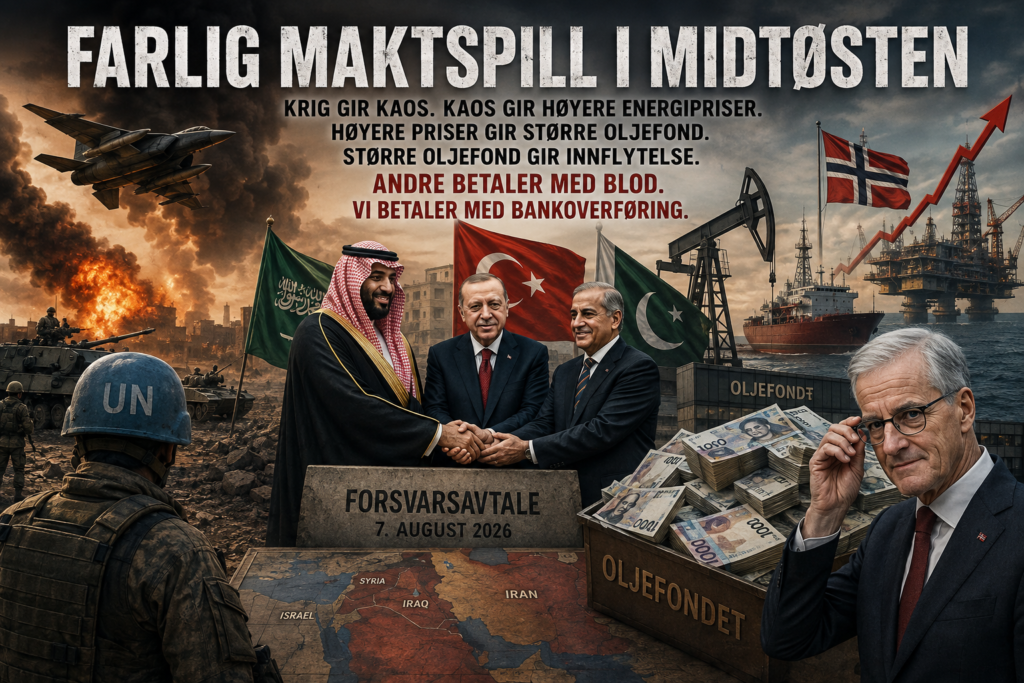
In the Middle East, delegations from Saudi Arabia, Pakistan and Turkey arrived in Tehran on Monday in an attempt to lower tensions and prevent another regional escalation.
Saudi Defence Minister Khalid bin Salman, Pakistan’s army chief Asim Munir and Turkish intelligence chief Ibrahim Kalın met Iranian leaders, with the war in Yemen and Houthi attacks on Saudi Arabia also on the agenda.