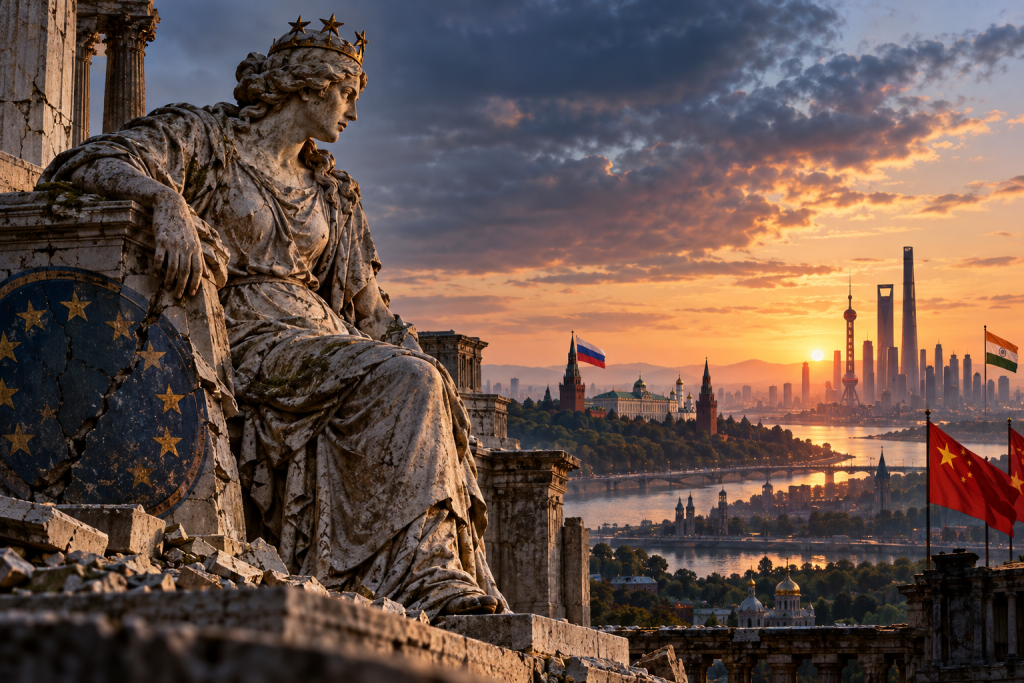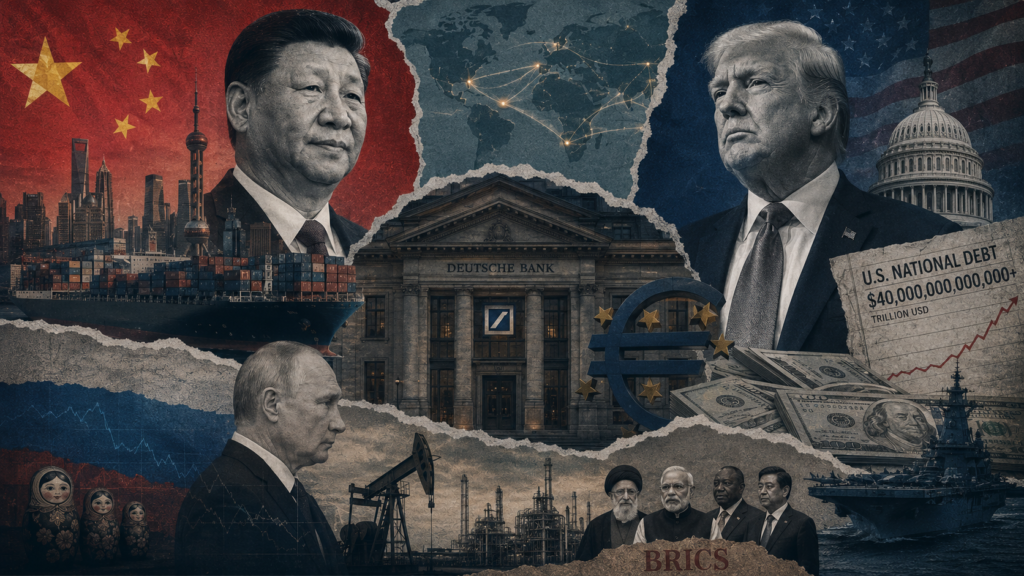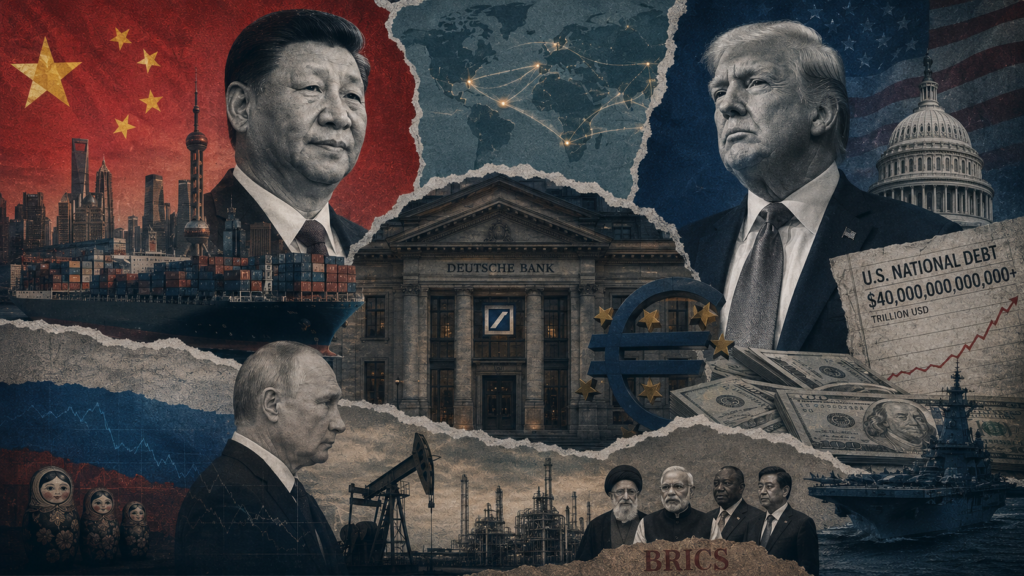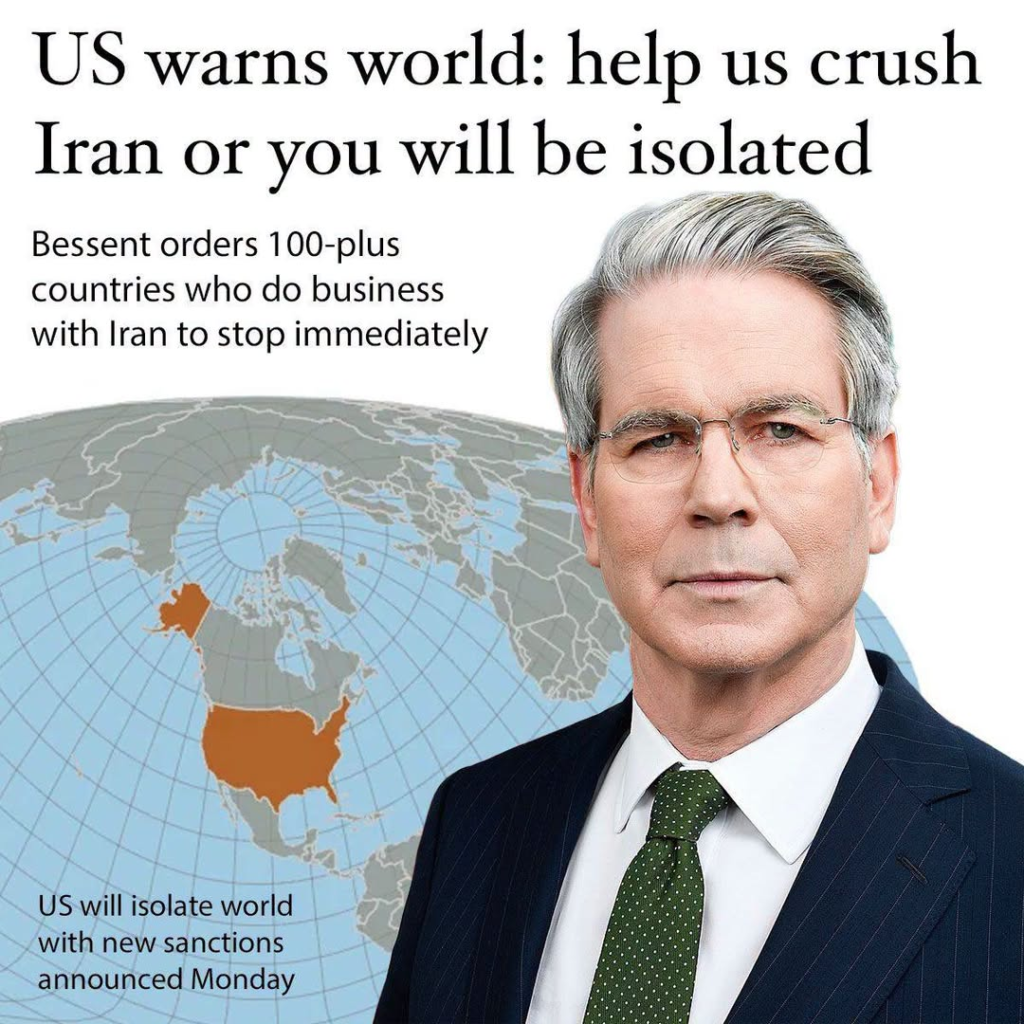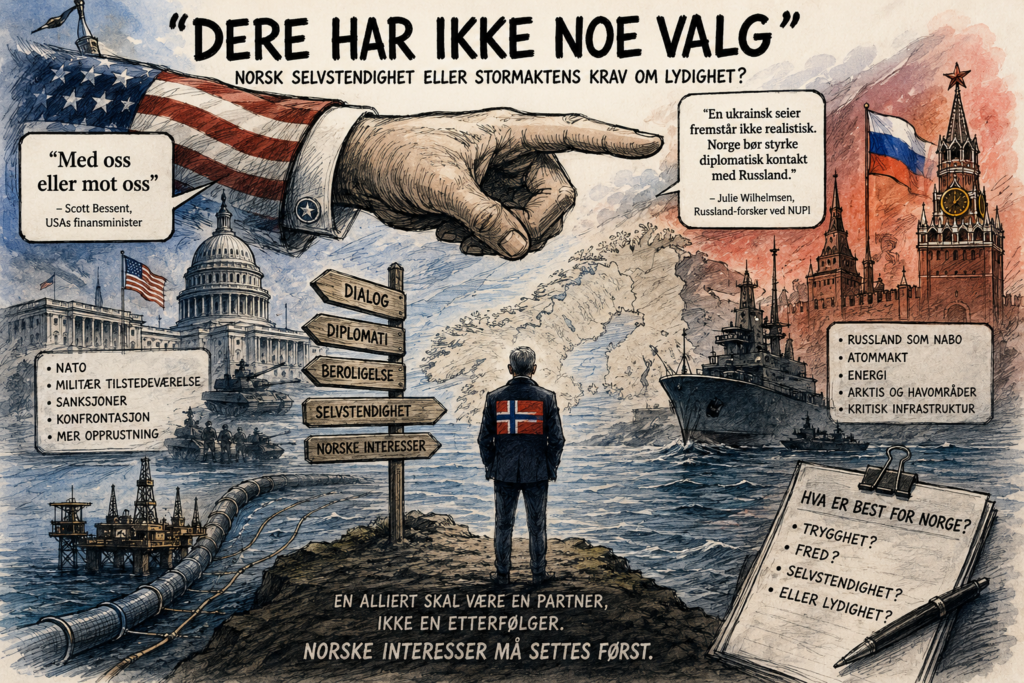
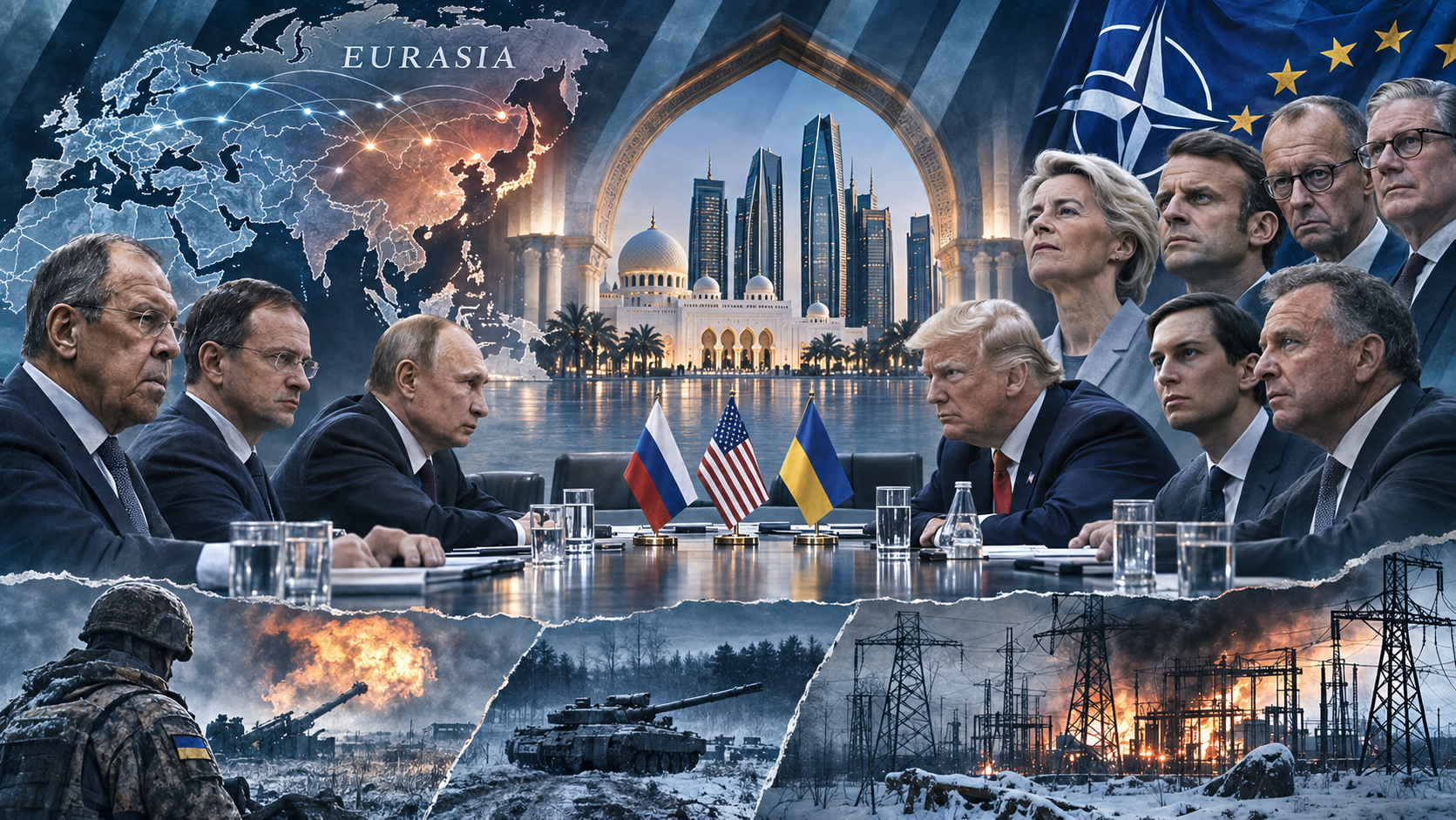
The talks in Abu Dhabi have brought Russia, Ukraine and the United States back to the same table, but they have also exposed a disagreement that extends far beyond territory and ceasefire arrangements. Russia wants to discuss the foundations of a future security order for the whole of Eurasia, with Europe forming only its western part. The process Washington hopes will end the war in Ukraine therefore risks becoming a negotiation over the security architecture of the entire Eurasian continent.
After two days of meetings, the only concrete result was an agreement in principle on a large-scale prisoner exchange. The number of prisoners and the timing of the exchange had not yet been determined. Russia’s chief negotiator Vladimir Medinsky said the parties had reached an understanding in some areas, but that significant disagreements remained.
The most interesting point, however, was what Medinsky described as the central issue in the negotiations: a new security order for Europe which, according to Lavrov, forms part of a much larger security architecture for the whole of Eurasia.
From Ceasefire to Security Architecture
The United States has long tried to persuade Russia to accept a halt to the fighting. For Donald Trump, a rapid agreement is both a foreign-policy objective and an opportunity to demonstrate that his administration can end a war his predecessor failed to stop.
Moscow has different priorities.
Russian Foreign Minister Sergei Lavrov made this clear in his statements before and during the negotiating round. He rejected the idea that a ceasefire should be established first, with questions concerning the future security order discussed afterwards.
Lavrov’s argument is that a ceasefire without political and military guarantees would give Ukraine an opportunity to rebuild its armed forces. He also claims that European countries want to use such a pause to deploy military stabilisation forces in Ukrainian-controlled territory.
What Russia is seeking, therefore, is not simply an agreement over where the front line should run, but an arrangement defining the security guarantees Russia and Ukraine will have and how relations between Russia and the Western military alliance will be regulated.
This is an issue Moscow has tried to place on the agenda for decades. Before the invasion in February 2022, Russia presented proposals for security agreements with the United States and NATO, including demands for limits on further NATO enlargement and military presence in Eastern Europe.
The fact that this has now become a central part of the negotiations, while Russia simultaneously expands the perspective to the entire Eurasian continent, therefore represents a significant diplomatic development.
Nor is this exclusively a Russian initiative. US officials have confirmed that Washington sees a broader European security agreement as a possible part of the solution, while Jared Kushner has proposed an arrangement drawing on the experience of the former NATO–Russia Council.
The difference lies in what such an arrangement should involve, and when it must be put in place.
If Russia insists that a comprehensive security agreement must come before a ceasefire, the timetable becomes entirely different from the one the Trump administration has been working towards.
A security arrangement covering the whole of Eurasia, including Europe, Russia, Central Asia and potentially major powers such as China and India, would require prolonged negotiations and probably political approval in several countries. It could take years rather than months.
And while the diplomats negotiate, the war continues.
Kushner and Witkoff Travel to Moscow
Shortly after the meetings in Abu Dhabi, it was confirmed that Jared Kushner and Steve Witkoff would travel to Moscow on 12 November for talks with Vladimir Putin. The plan is then to meet Volodymyr Zelensky in Dublin.
The trip illustrates how much remains unresolved.
Kushner described the Abu Dhabi meetings as difficult but productive, pointing to opportunities for further progress.
One possible purpose of the Moscow visit is to determine whether Russia can accept a more gradual process, in which work on European security continues in parallel with measures that could bring the war to an earlier halt.
But such an arrangement would require Moscow to accept precisely what Lavrov has warned against: giving up military pressure before the long-term security questions have been resolved.
There is another possibility as well.
Washington could attempt to bring the Europeans directly into the next round of negotiations. If Europe’s security architecture is to be renegotiated, it is difficult to imagine a final agreement without European participation.
That creates another problem.
Europe Is Present, but Not at the Table
Representatives from European countries travelled to Abu Dhabi and held consultations with the Americans and Ukrainians. They did not, however, participate in the trilateral meetings with Russia.
Lavrov commented on this with remarkably little diplomatic restraint: the Europeans could remain at the hotel.
Medinsky followed up after the meetings. He said Russia had not received concrete European peace proposals and questioned what the parties would therefore have to discuss. He did not rule out European participation, but made clear that Moscow expects concrete proposals before that becomes relevant.
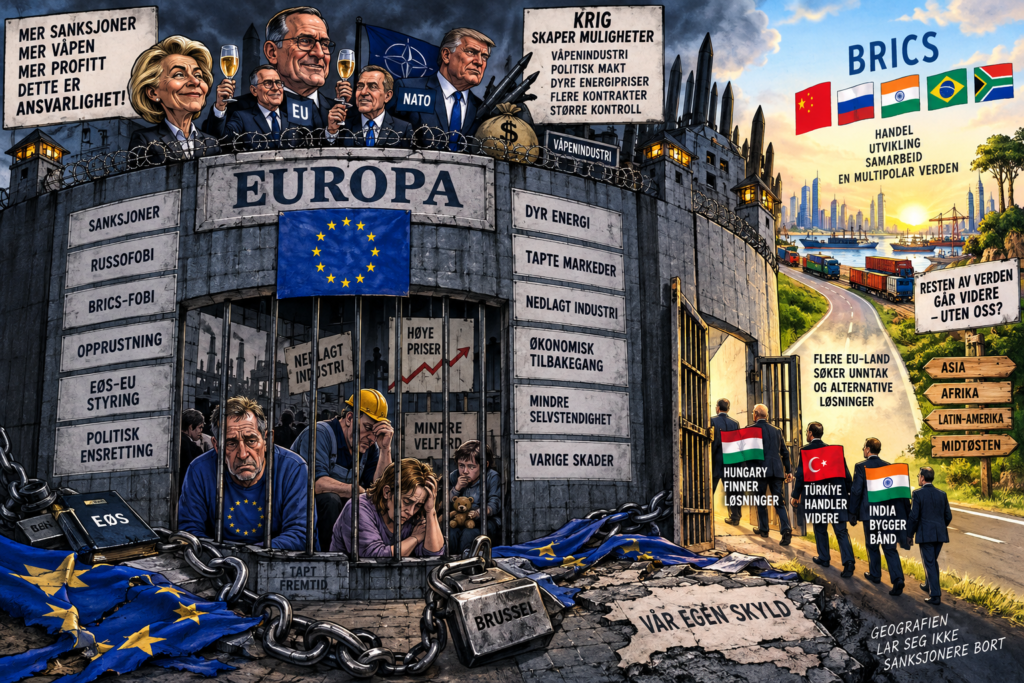
Europe’s problem is not only that Russia opposes a larger European role. European governments have also failed to present a common model for how a new security system that includes Russia would function.
Several European countries maintain that a ceasefire must come first, followed by security guarantees for Ukraine. Only after that do they want to discuss a broader arrangement.
Russia’s sequence is the reverse.
This is not a disagreement over negotiating procedure. It is about which party retains its most important sources of leverage while the political settlement is being designed.
A ceasefire would freeze the military situation. Continued fighting gives Russia the opportunity to try to improve its position before an agreement is reached.
For Washington, this means that expanding the negotiating format does not necessarily bring a solution any closer. More participants also mean more interests that have to be reconciled.
And for Russia, time may be a negotiating asset rather than a problem.
German Pressure Meets Resistance in the EU
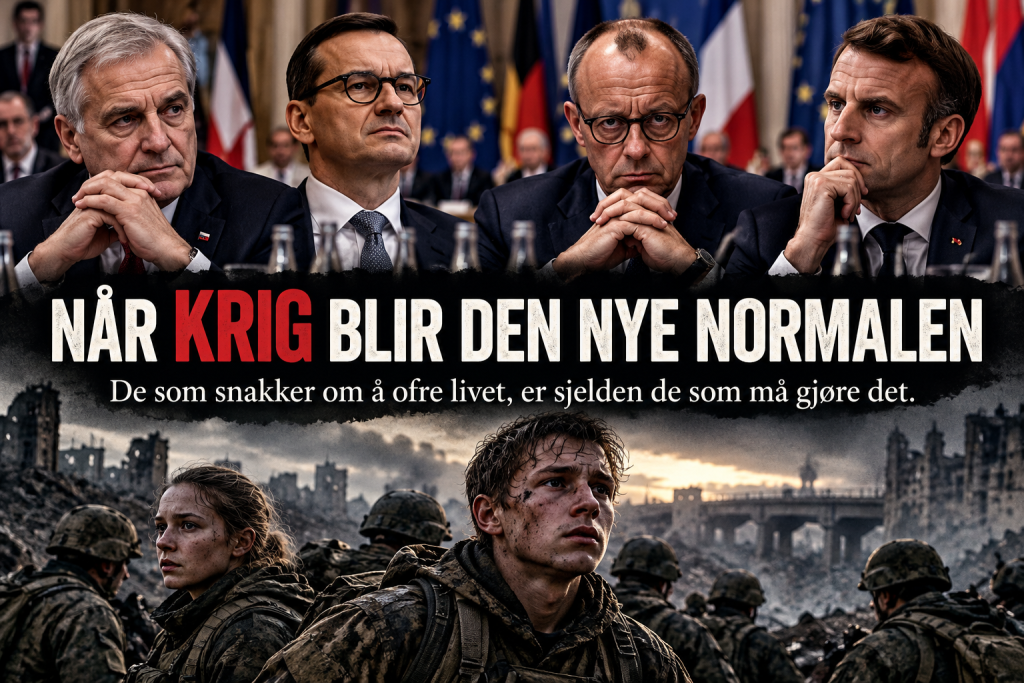
At the same time as the Americans try to keep the negotiations moving, German Chancellor Friedrich Merz has opened a new conflict within the EU.
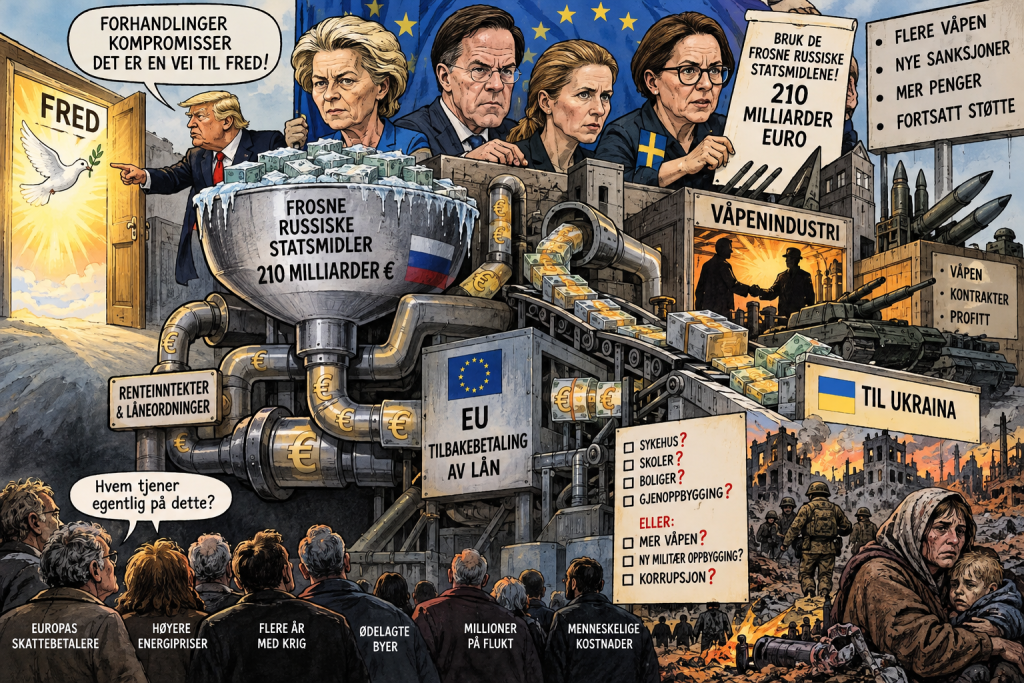
Merz has linked negotiations over the EU’s next long-term budget to financing for Ukraine. His message is that countries benefiting from European solidarity through EU support mechanisms must also contribute to financing Ukraine.
The proposal has met resistance from Slovakia, the Czech Republic, Hungary and Bulgaria. Slovak Prime Minister Robert Fico has described the linkage as blackmail, while the Czech Republic has stressed that member states have equal influence over budget decisions.
Hungarian Prime Minister Péter Magyar has also opposed tying the EU’s long-term budget to new borrowing for Ukraine.
The conflict illustrates the limitations of Europe’s continuing support policy.
Germany wants to secure financing for Ukraine, but attempting to make this a condition for the entire EU budget is generating opposition even among governments that do not want to break with the Union’s broader policy.
Merz could therefore end up weakening the unity he is trying to use as leverage.
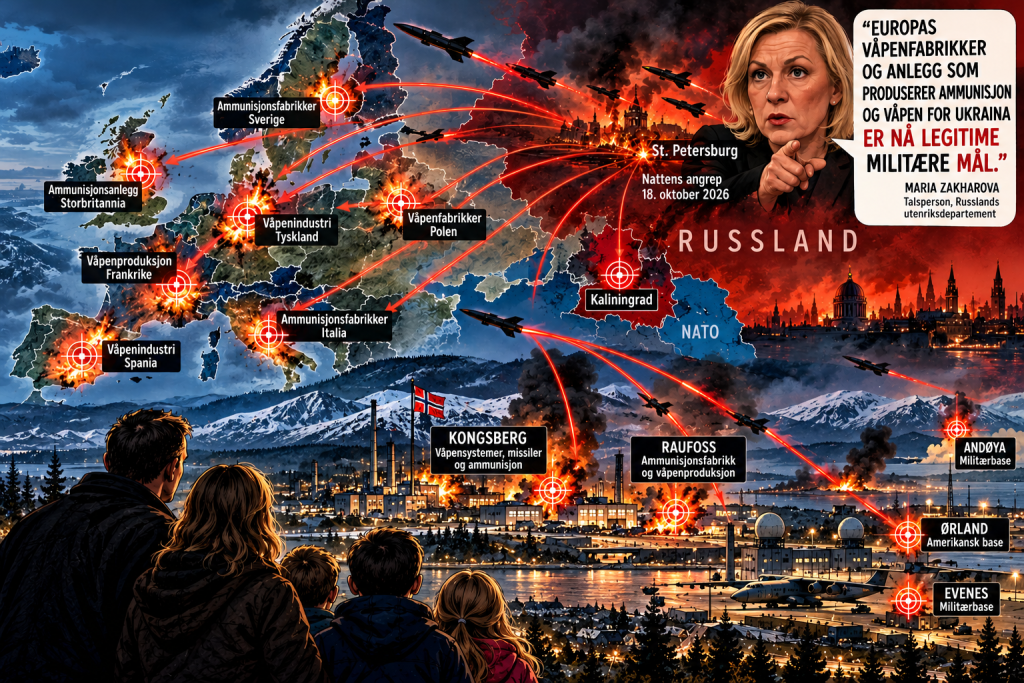
Russian Strikes Continue While Negotiations Are Under Way
The diplomatic developments are taking place at the same time as Ukraine’s energy situation deteriorates further.
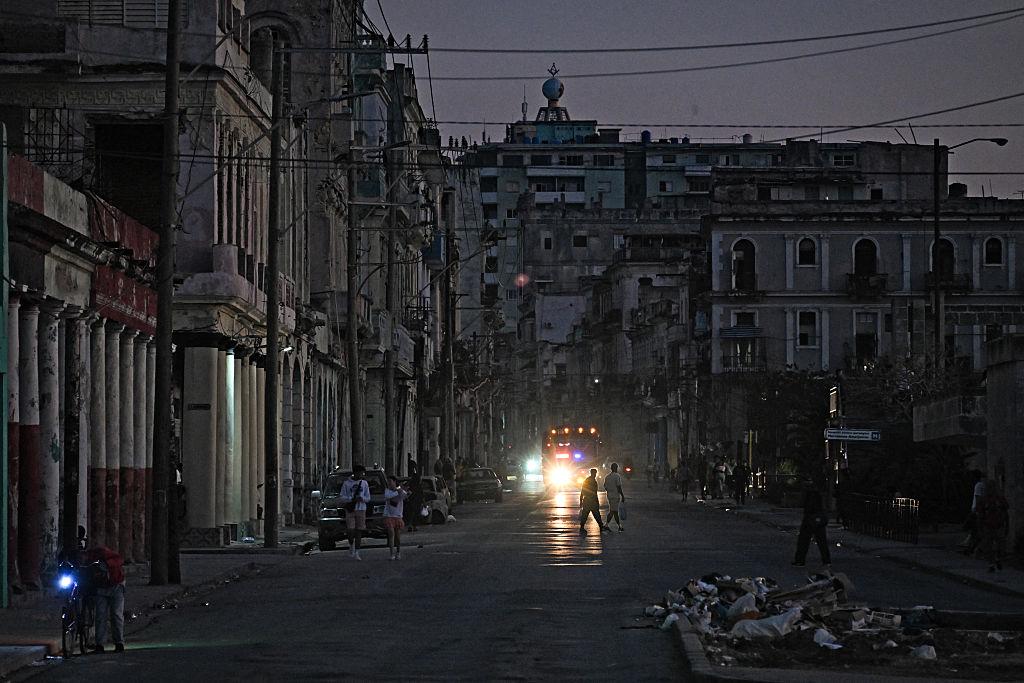
Overnight into 11 November, several areas were hit by new Russian strikes against the electricity system. Ukraine’s prime minister said six major transformer substations in four regions had been attacked.
In the industrial city of Kryvyi Rih, the strikes caused power outages and problems with water and heating supplies.
This matters far beyond the immediate damage.
When the power grid is hit, water pumps, district heating, transport and industry are also affected. Repeated strikes can make repairs increasingly difficult, particularly as winter energy demand rises.
Ukrainian attacks on Russian refineries and oil facilities are also continuing. But the consequences for civilian infrastructure in the two countries remain very different.
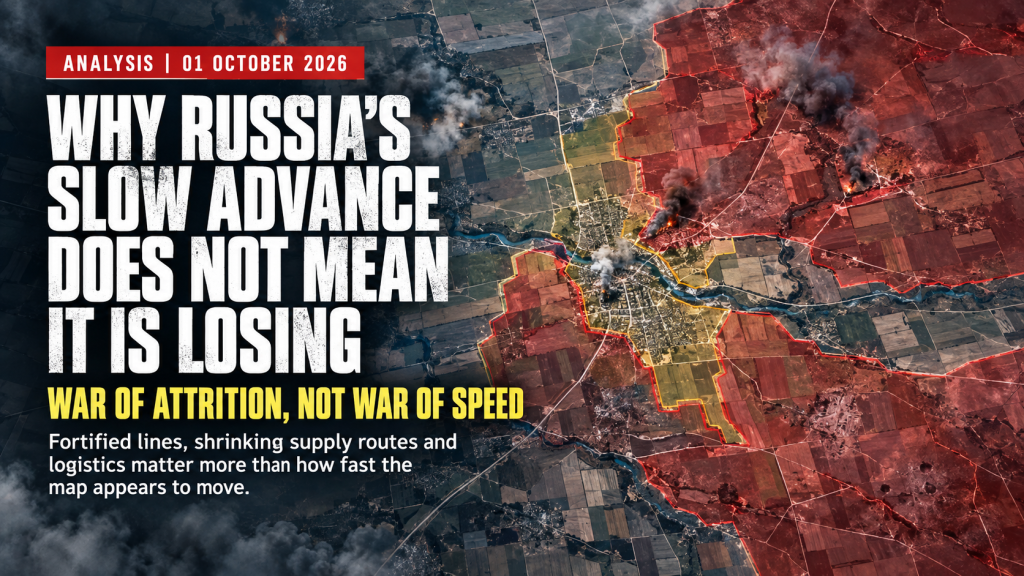
On the ground, the Russian Defence Ministry is reporting new advances in the Sumy, Donetsk and Zaporizhzhia regions. Developments in Zaporizhzhia could become particularly important if Russian forces manage to push farther west and threaten Ukrainian supply routes north of Orikhiv.
Claims of control over individual villages have not all been independently verified.
The overall picture also helps explain the fundamental difference between the negotiating positions.
Trump wants results quickly.
Russia appears prepared for a prolonged process while the military campaign continues.
If Moscow assesses that time and developments on the battlefield are working in Russia’s favour, it becomes harder for Washington to force through a rapid agreement.
The visit to Putin may clarify how far the Americans are actually willing to go in discussing Europe’s security order.
The question after Abu Dhabi is therefore not only whether the parties can agree on a ceasefire.
It is whether ending the war in Ukraine now requires a far more comprehensive agreement on the security architecture of the whole of Eurasia — an agreement for which no common foundation yet exists.