The Midterms: A Verdict on Trump’s Promises
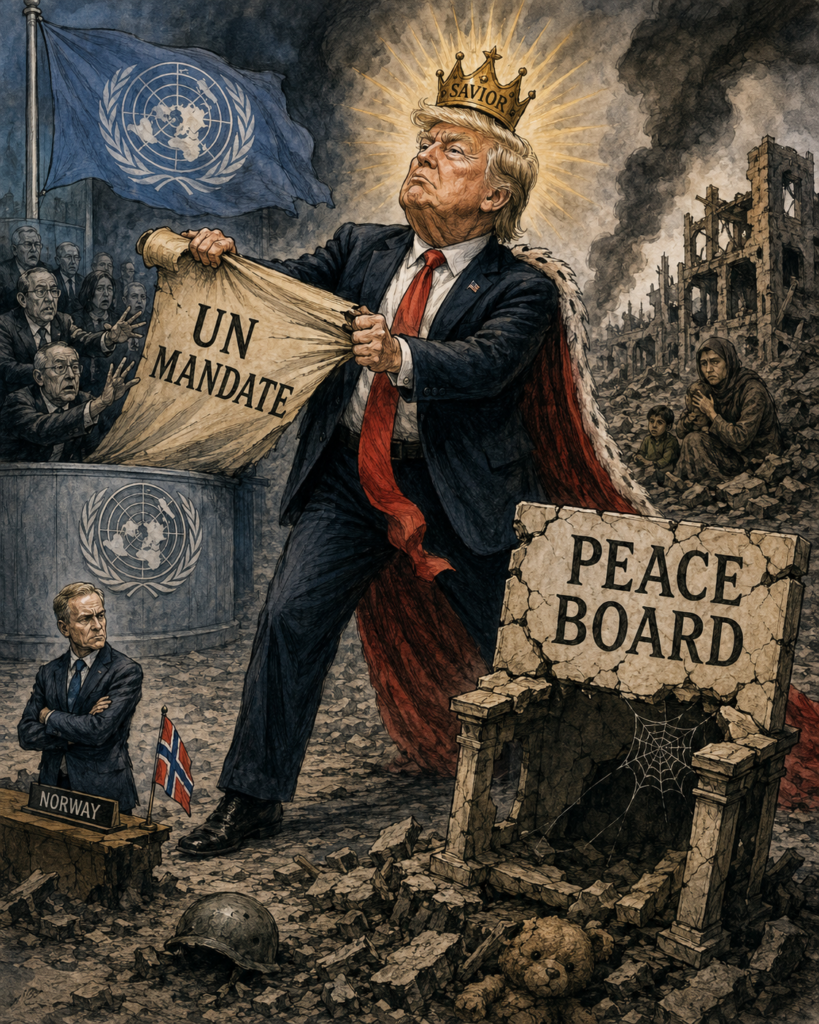
The day after the US midterm elections, the result is largely what pollster Rich Baris predicted a month ago: the Republicans suffered a rout, while the White House remained in denial. The Democrats have won control of both the House of Representatives and the Senate, including in Texas, where James Talarico has been declared the winner over Ken Paxton.
The explanation is straightforward. Donald Trump was elected in 2016 and 2024 on three promises: drain the swamp, end the endless wars, and put America’s economy and people first.
None has been fulfilled.
The files in the well-known financial case have only been partially released, corruption appears to have moved closer to the White House, and the president has listened more to donors than to voters. The endless war in the Persian Gulf is going nowhere, and the war in Ukraine has not ended. The economy comes last as long as foreign policy and war remain the priority, and the result has been higher energy prices and inflation, amplified by the stock-market boom and the president’s closeness to a small group of extremely wealthy people who want to build data centres. Opposition to large data centres was one of the issues in the Texas campaign.
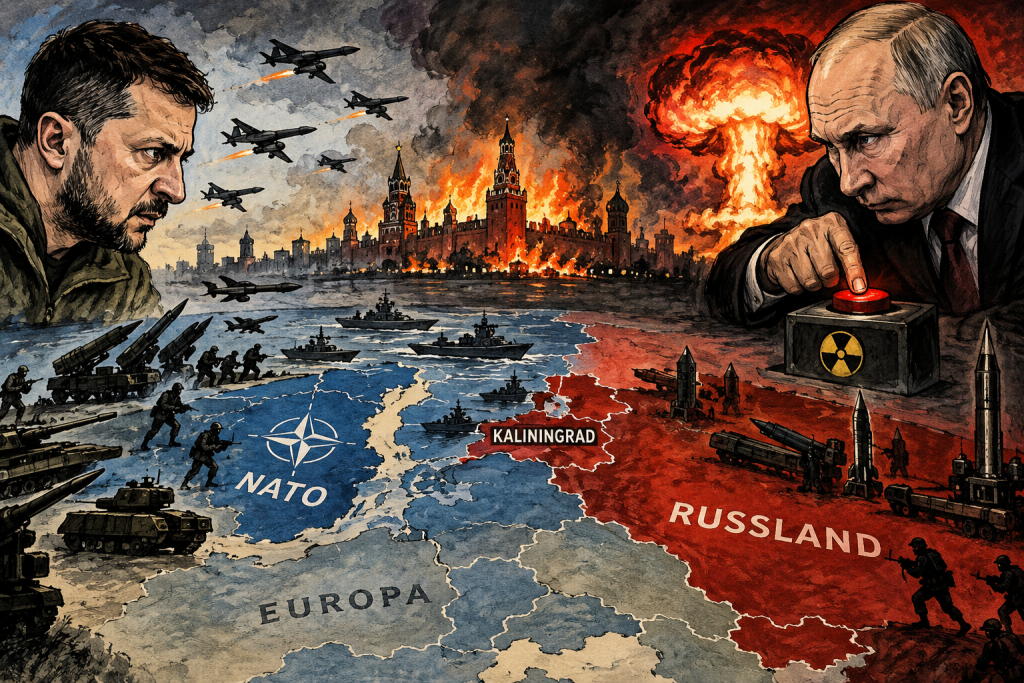
For foreign policy, the election probably changes little. The new Congress is likely to approve more support for Ukraine, but Zelensky has never had difficulty finding money, and the money does not change the situation on the ground. The United States has probably already done its worst, and one war party is simply being replaced by another: most Republicans have been hostile towards Russia, and many Democrats will probably quietly support the war policy in the Middle East. Domestically, it is more likely that Trump’s chaotic tariff policy begins to unravel, that the battles over immigration intensify, and that public sentiment turns against the Democrats before long.
The Air War Against Power, Railways and Water
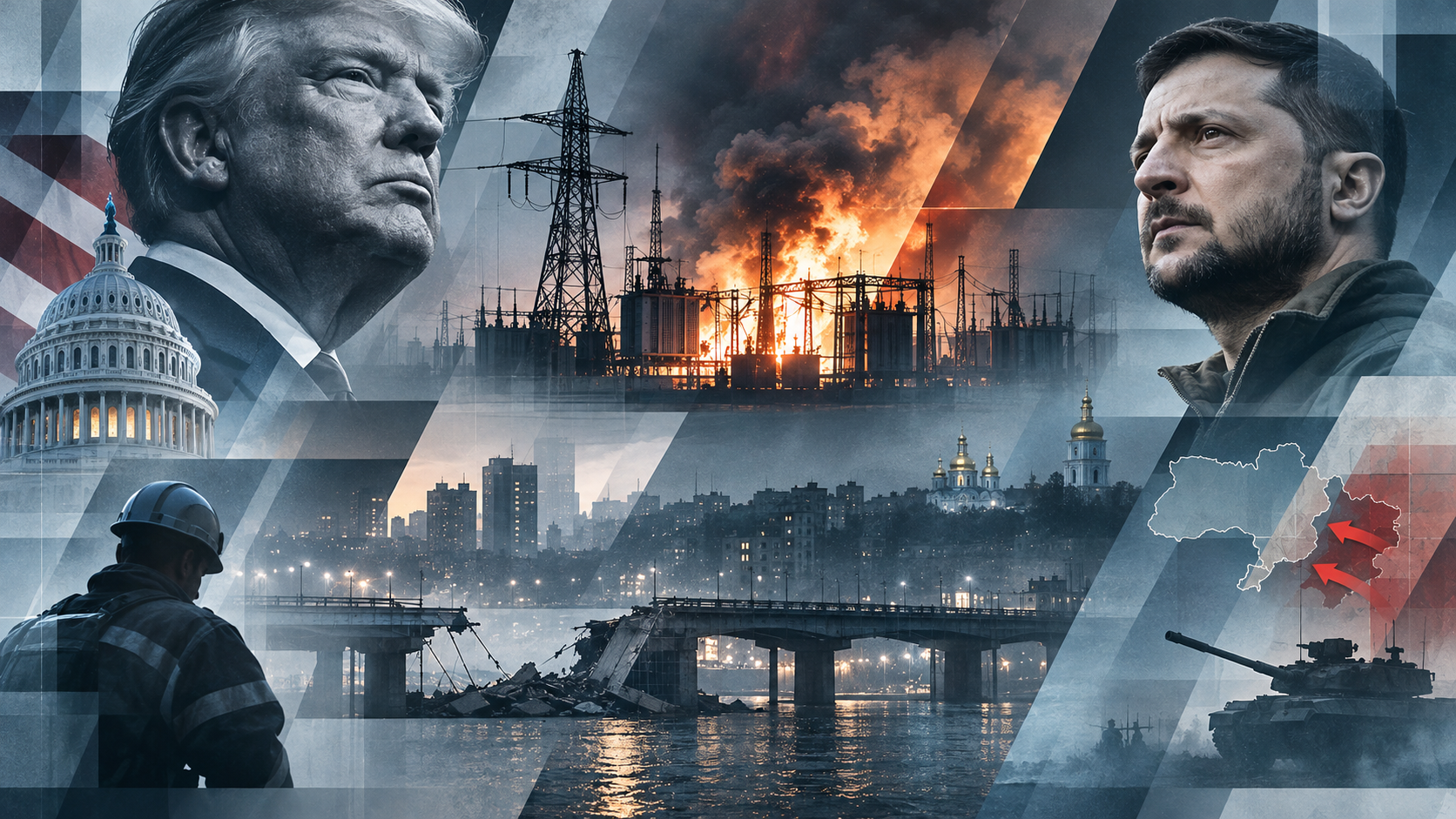
Russian missile and drone attacks are intensifying. Another massive wave of drones came overnight, with the energy system clearly the main target. The Russian Defence Ministry has previously said it was ordered to conduct a major offensive against the power grid.
At least two energy facilities were hit overnight, one in the Kyiv region and one in the Zhytomyr region. Alarmed statements from Ukraine describe the situation as desperate: Ukrainian nuclear power plants are having to reduce output because damaged substations and transmission networks can no longer distribute all the electricity they produce, while the thermal power plant in Dnipro is said to have suffered very serious damage.
The major strike that Russian commentators say could be directed against the substation west of Kyiv has not yet come.
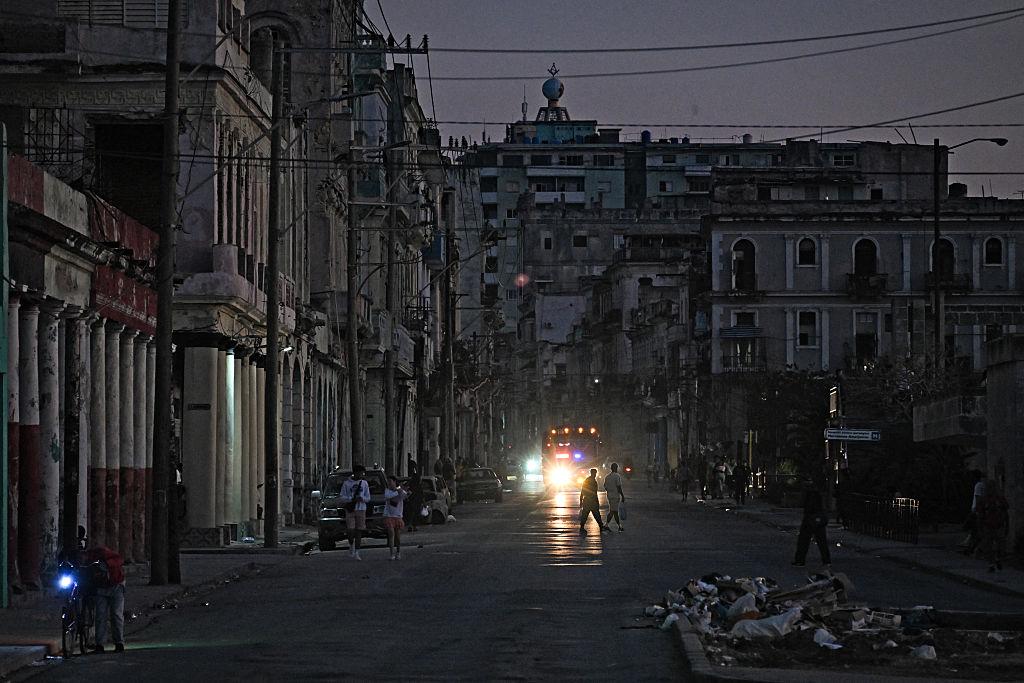
Russia is also continuing its attacks on locomotives and railway infrastructure, and such strikes are becoming more frequent. Ukrainian electricity providers say they can no longer guarantee a stable supply, while cities are experiencing semi-permanent blackouts, with Kyiv in darkness.
Without electricity, the railway stops because most locomotives are electric. Concern is also growing over the water supply. Water-treatment plants are difficult to attack directly, but without power they stop working, and the effect is the same.
It is worth asking what has to happen before mass evacuations from the cities begin. According to Ukrainian sources close to Kyiv Mayor Klitschko, Russia plans to cut the entire electricity supply before winter, something that is probably within Russian capabilities.
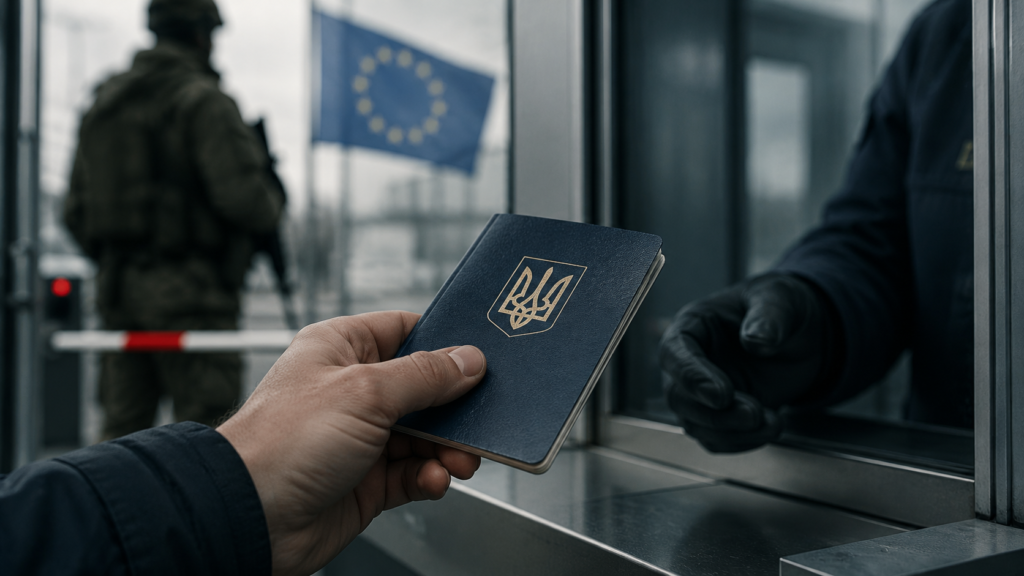
Another strike on the bridges across the Dnipro will probably come during the week. The Zatoka bridge, which connects Odesa with Romania and the EU, was heavily hit several days ago, while Kyiv’s Southern Bridge is probably still out of service.
If the bridges are hit on the same scale as Zatoka, the Ukrainian army on the eastern bank, fighting in Kharkiv, Donbas and Zaporizhzhia, would be cut off and stranded.
Zelensky and Erdoğan agreed to work towards an arrangement that could reopen the Black Sea to grain ships from Odesa, but that would also reopen a route for weapons shipments to Ukraine. Russia has ignored the demand, the blockade continues, and ships that Moscow claims have been involved in military deliveries to Ukraine have been attacked with naval drones, including off Romania and Bulgaria.
Trump, meanwhile, claimed that the United States is no longer short of Patriot interceptors. The gap cannot be closed for many years.
Zelensky Away From Kyiv and With No Room for Compromise
Zelensky has spent much of the recent period travelling outside Kyiv: Turkey, Germany, the Netherlands, previously Norway, where he met Støre and Stubb, and two visits to Britain, the latest connected to a British support package worth more than £10 billion.
He says little about the attacks, but complains about the shortage of Patriot missiles.
Ahead of the Abu Dhabi meeting in a week, he repeats that Ukraine must join NATO and the EU, maintain an army of 800,000 and choose its own weapons. He reluctantly accepts a freeze along the current lines but rules out withdrawing from Donbas.
It is the same song that has played since the Istanbul negotiations collapsed in April 2022. Now that Trump has been weakened, Zelensky is expected to become even less willing to compromise.
The European Commission is meanwhile developing a new, cautious and open-ended arrangement for Ukraine’s EU membership, and the promises about conditions will probably be made and broken, just as promises to the IMF and World Bank have been.
Meetings in the EU and NATO also give him a perfect excuse to stay away from Ukraine.
The Detention Centre and the Power Struggle in Kyiv
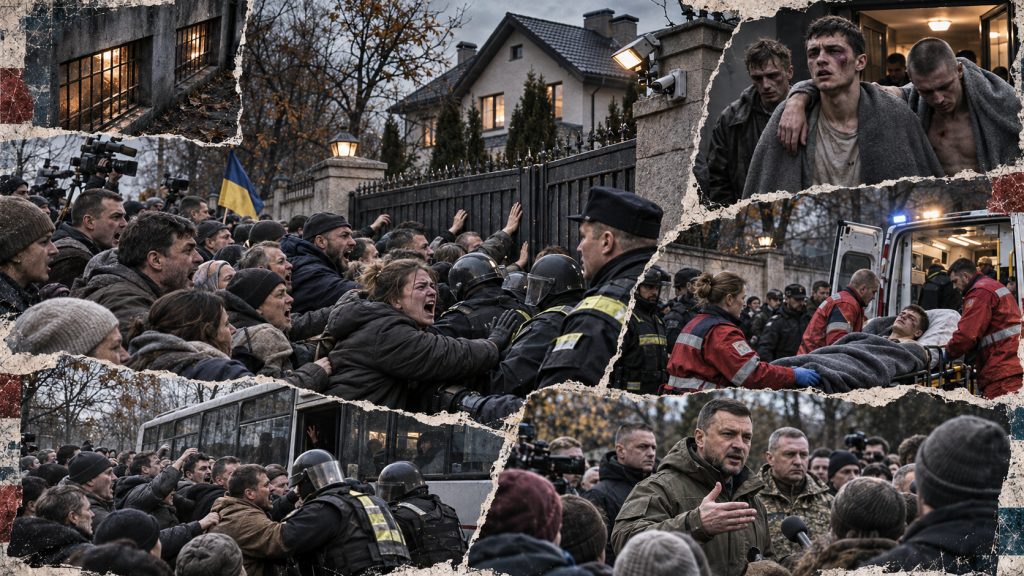
The case involving the detention centre in Petropavlivska Borshchahivka outside Kyiv, used by an Azov unit of the National Guard, and Kyrylo Budanov’s difficult encounter with the crowd has received limited coverage in Western media and from European governments.
The exception is a carefully worded article in The Times, which presents it purely as a mobilisation issue.
The locals were probably tipped off by someone inside Ukraine’s power structure. Some point to Klitschko, who is now in opposition to Zelensky, but that is not known.
Within hours, reports emerged of raids in Kyiv by NABU and SAPO, the two anti-corruption agencies that have been a thorn in Zelensky’s side since the summer, including at SBU-related targets.
The SBU conducts sabotage operations inside Russia, has taken part in assassinations, and carries out extensive domestic activity far beyond ordinary police work. The SBU chief has an extremely dark reputation in Ukraine, and investigators are reported to have ended up in confrontations with SBU personnel.
These institutions are central to maintaining Zelensky’s regime.
Official spokespeople say the entire episode was staged by Russia, but no evidence has been presented. Detaining people without trial because they evade mobilisation or have deserted is wrong in itself.
And if there is nothing to hide, and if more such places exist, as Budanov himself has indicated, why were they kept secret until now?
A long-standing and reliable source has sent a disturbing email saying he knew about such centres and what took place inside them, and that this was one of the reasons he made contact.
If that is true, much needs to be investigated, and those responsible must be held accountable.
The fact that this is surfacing now suggests a loss of credibility and authority during Zelensky’s absence. Such revelations often emerge towards the end of a political system.
The Front: “Stalemate” and the Fall of the Fortress Cities
Zelensky has mocked the Russians and said they are not advancing.
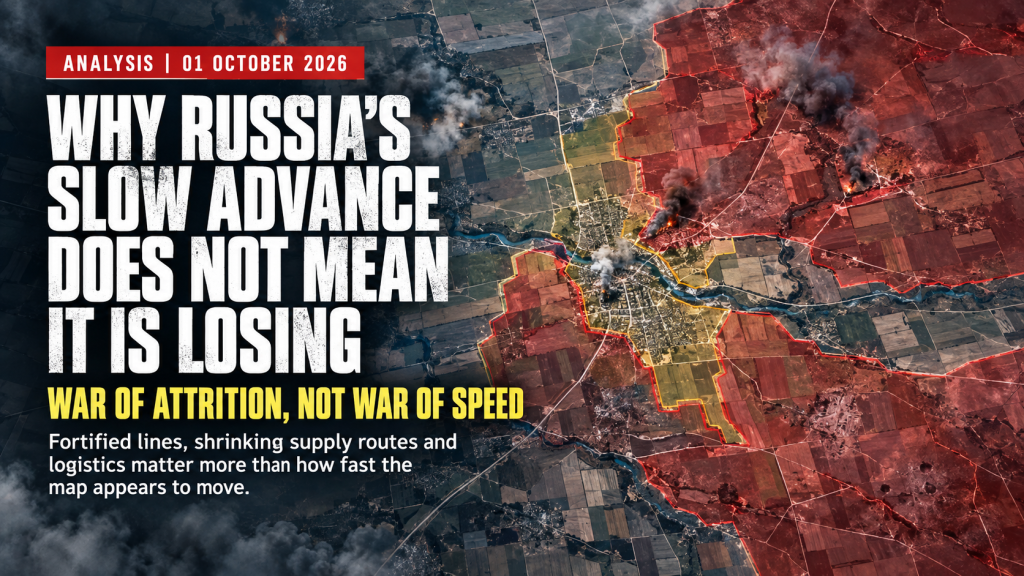
For two years, Western media and governments have alternated between two narratives: Ukraine is on the offensive, as in the spring and summer, or, when that story can no longer be sustained with Kyiv in darkness, the railway system in crisis, the ports closed and the budget empty, that the war is in stalemate and a little more aid will be enough.
Both are absurd.
Western media reported the front lines in detail in 2022 and 2023, but largely stopped doing so after the fall of Avdiivka in February 2024, when Macron first floated the idea of Western troops.
Into that vacuum come narratives that Kostiantynivka is still Ukrainian or that Dobropillia has not fallen. Kostiantynivka fell in July, Dobropillia in October, Bilozerske is being stormed, Orikhiv is being fought over heavily, and the Ukrainians themselves acknowledge Russian troops in the southern outskirts of Zaporizhzhia.
New videos are said to show Russian troops northwest of Kupiansk, suggesting deep Russian penetrations around the city.
Russian sources claim that Russian troops are present in Druzhkivka and that Oleksiievo-Druzhkivka, immediately south of the city, has been captured, as General Gerasimov said ten days ago.
Russian sources say Group South is preparing an operation against Druzhkivka. If it falls, it is the last major city in the Sloviansk-Kramatorsk area.
Around Lyman, Russian forces are back on the offensive after Operation Vivaldi ended. Group North is pressing towards Velykyi Burluk, while Group West is operating west of Kupiansk; Russian strikes are also hitting the Izium area.
If Russia later succeeds in encircling the Izium area, it could create a large pocket around Sloviansk and Kramatorsk, perhaps this winter or by spring.
That would change the foundation of the West’s diplomatic strategy: there would be less left to bargain over, and Russia could raise its demands.
There are also reports of plans to take the entire eastern bank of the Dnipro.
A Trial of Zelensky and Europe’s “Security Force”
TASS reports that Russia is gathering evidence for a future tribunal, probably in Donbas, against Ukrainian leaders, including Zelensky himself.
Konstantin Kosachev says Russia has begun collecting information on all crimes committed by the Zelensky administration.
It is impractical to move forward before those responsible have been captured.
Together with the attacks on railways, bridges, communications and energy, Russia appears to be isolating Kyiv and cutting escape routes to the west, where many of those who could face trial are currently located.
That casts Zelensky’s reluctance to remain in Kyiv, and his refusal to travel to Moscow, in a new light.
Western governments probably have no idea.
Britain and France are leading an exercise in Poland involving around 2,800 troops from 11 countries who are supposed to be sent to Ukraine after a ceasefire, now under Prime Minister Andy Burnham, and a British article says the troops have been told they may fire back.
With what?
British and French forces have no direct equivalents to several of the Russian systems now being used in large numbers in Ukraine.
It recalls Bismarck’s answer when asked about a British landing in Pomerania: he would send the local police to arrest them.
The Russians know that defeated British and French troops would call on the United States for help, and with the Democrats controlling Congress and a CIA director eager for war, the Americans could be drawn in.
The article in The Atlantic shows how extensively the CIA is involved in the drone campaign against Russia, with John Ratcliffe playing a central role, while Kautilya The Contemplator argues that the CIA’s willingness to continue regardless of who occupies the White House raises questions about American democracy.
The idea that Ratcliffe could tell Putin in Moscow in September that the armies are in stalemate, and that Putin would believe it, is a bizarre fantasy.
Talk of small advances and stalemate misunderstands attritional warfare, which wears down the enemy across the whole of Ukraine, entirely in line with Russian doctrine.
Territory is not measured only in square kilometres either: the loss of Kyiv would be catastrophic, the loss of Donbas almost as serious, and the same applies to the city of Zaporizhzhia on the eastern bank.
What happens to Western diplomacy if Russia takes the entire left bank of the Dnipro is the next major question.