Kyiv’s Southern Bridge
Russia launched ballistic missiles at Kyiv in two waves overnight into Tuesday. Air Force spokesman Yuriy Ihnat said up to 16 Iskander-M or S-400 missiles were used, adding that over the past two weeks Russia has concentrated its missile strikes on the capital, increasingly spreading them across several waves during the night.
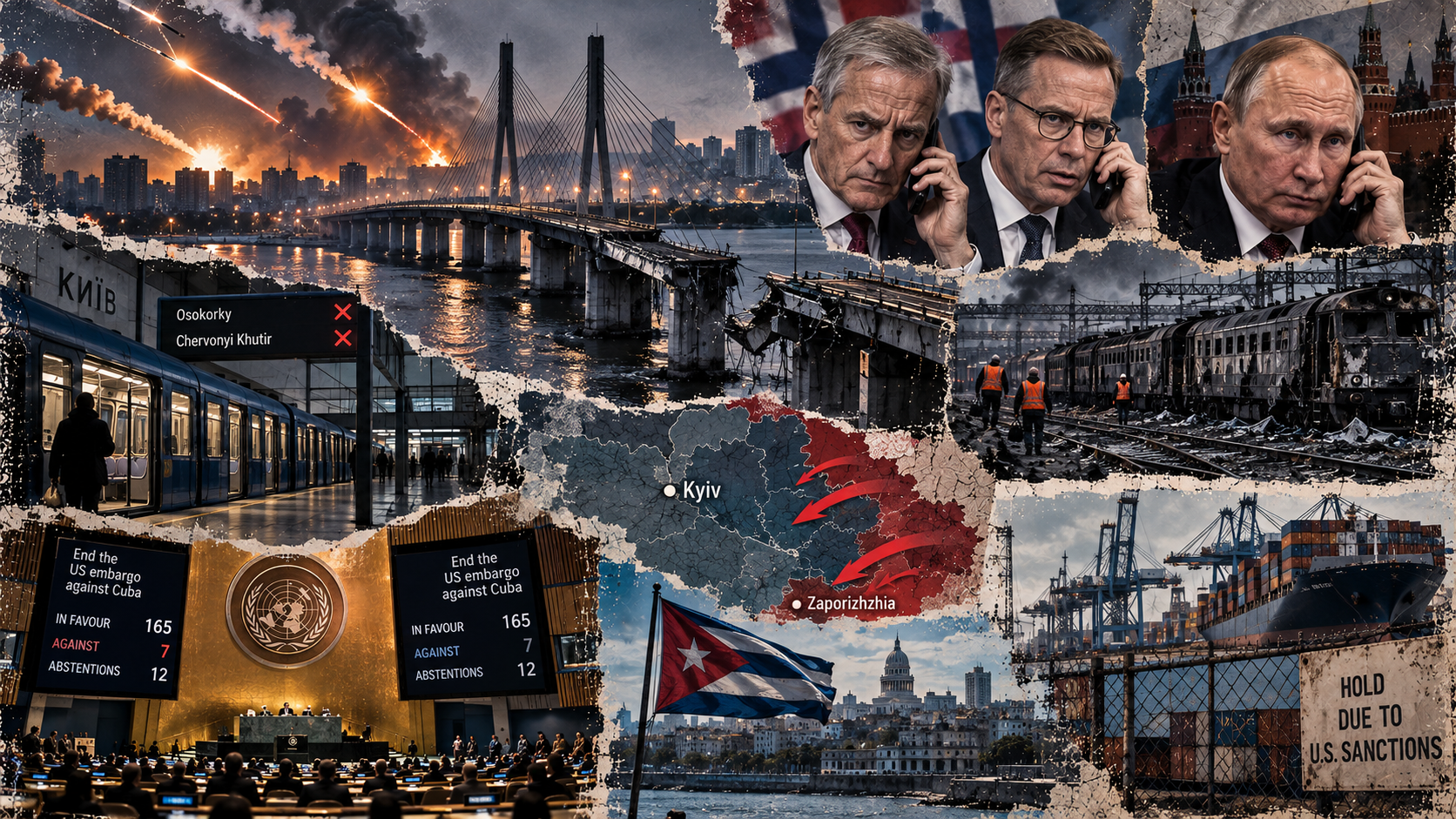
A 46-year-old woman was reported killed and at least 21 people injured. One of the targets was the Southern Bridge across the Dnipro. Mayor Klitschko confirmed that the bridge had been hit and closed, while metro services between Osokorky and Chervonyi Khutir were suspended. The Kyiv Independent reported that at least one missile struck the bridge and left a large hole in the deck, forcing the closure of both road and metro traffic. Ihnat said the bridge deck can be repaired, but that it will take time.
The Southern Bridge is one of Kyiv’s most important crossings over the Dnipro, carrying both road traffic and the metro. It was also attacked on 1–2 October. Earlier attacks on Kyiv’s bridges were, according to several sources, carried out with drones and glide bombs. This time, ballistic missiles were used, and published images show a large hole in the roadway.
The full extent of the damage has not been made public, but Kyiv has already approved temporary alternative crossings of the river, while the government has called for repairs to be accelerated. Zelensky says delays in air-defence support are making such attacks possible.
There is much to suggest that the objective is to disrupt logistics for Ukrainian forces east of the Dnipro. Most heavy materiel, from ammunition to armour and fuel, is moved by rail, and the railway system must cross the river on bridges. The strike on the Southern Bridge, however, affects road and metro traffic rather than conventional freight rail.
The Locomotives
At the same time, the campaign against Ukraine’s railways continues.
TASS calculates that Ukraine has lost around 600 locomotives since February 2022, roughly 17 percent of the fleet, with around 500 lost between January 2025 and September 2026 and roughly 300 of those losses occurring in 2026. The figures are based on Ukrainian government data, and Ukraine’s pre-war locomotive fleet numbered around 3,500.
Ukraine itself says 533 Ukrzaliznytsia locomotives and 75 privately owned locomotives have been damaged, that 310 were damaged in 2026, and that reserve capacity is almost exhausted. Railway chief Oleksandr Pertsovsky estimates losses at 37–40 locomotives a month.
Kyiv is negotiating for replacements from European countries using the same rail gauge. There is much to suggest that Russia does not need to destroy the entire fleet to cripple the system. If half of it were lost, capacity would fall so sharply that front-line logistics would be badly affected. Ukraine is not there yet, but the rate of attrition is increasing.
Martial Law and Mobilisation
While Kyiv comes under pressure from the air, the authorities are tightening measures at home.
The Rada has voted to extend martial law and general mobilisation for another 90 days from 31 October to 29 January 2027. It is the 21st extension, and Zelensky signed the laws on Monday.
The government has also published Resolution No. 1328 introducing new rules for exemptions, changing the quotas for how many employees at critical enterprises can be protected from conscription. During the drafting process, the Association of Ukrainian Cities warned against reducing exemptions for workers in energy, water and transport — the sectors keeping the cities running.
There is much to suggest that the authorities are trying to draw out what remains of the available workforce at a time when the overall situation is becoming increasingly critical.
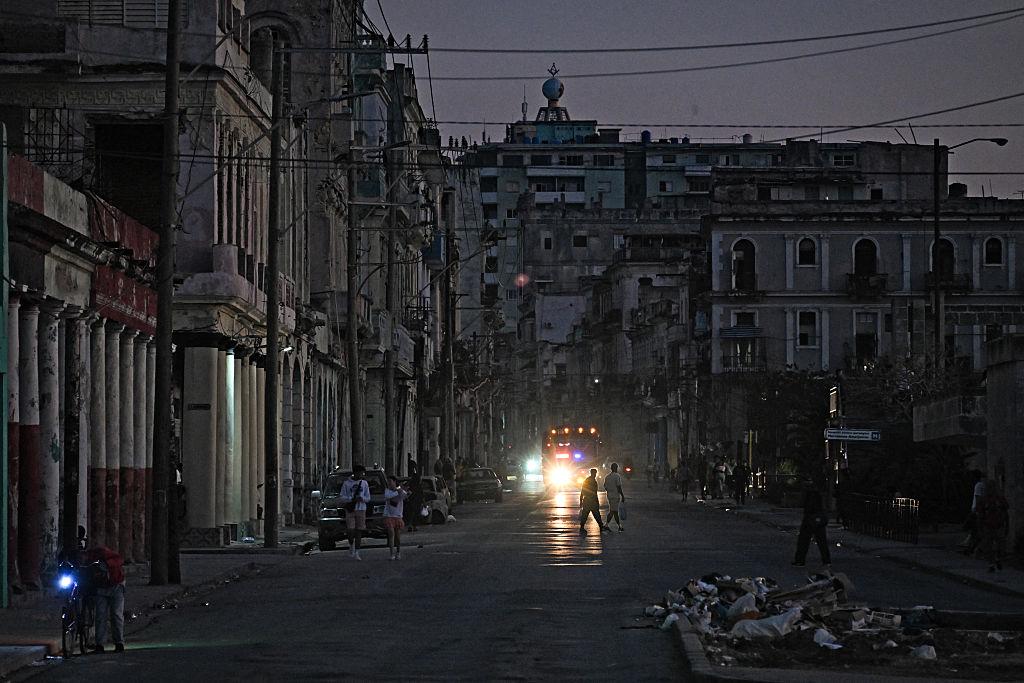
Klitschko, whom the Rada summoned for a hearing last week, is caught in the middle of that tension. He does not control the air defences and is running a city whose power plants can no longer generate electricity, with all of Kyiv’s power now coming from other regions. He has accused the central government of blocking funding.
Stubb and Støre Called Putin
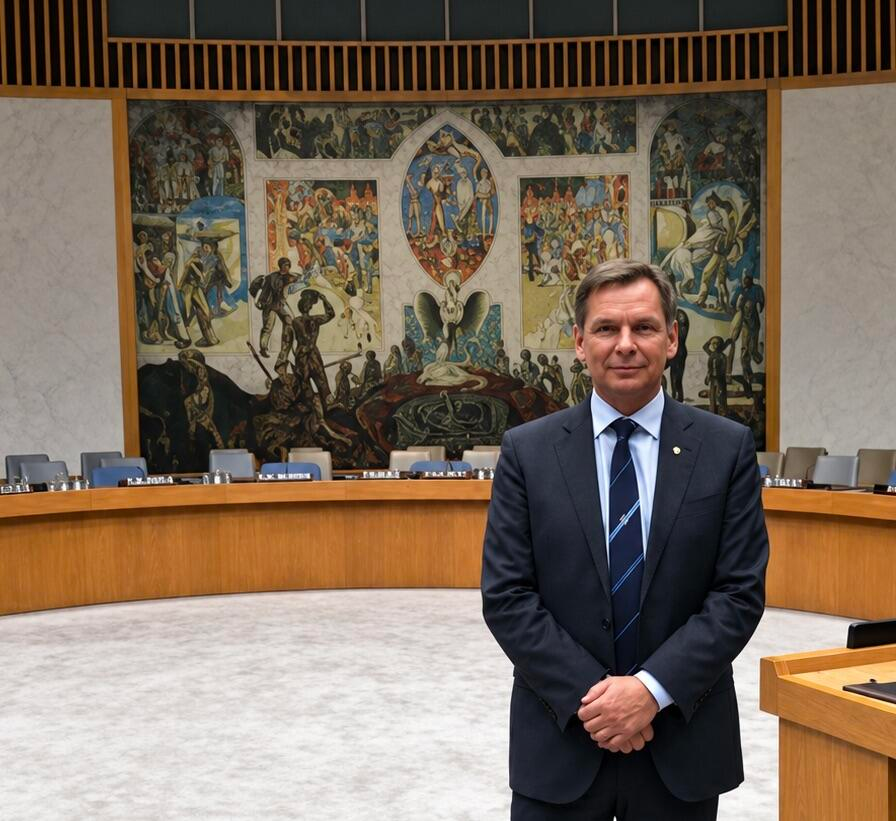
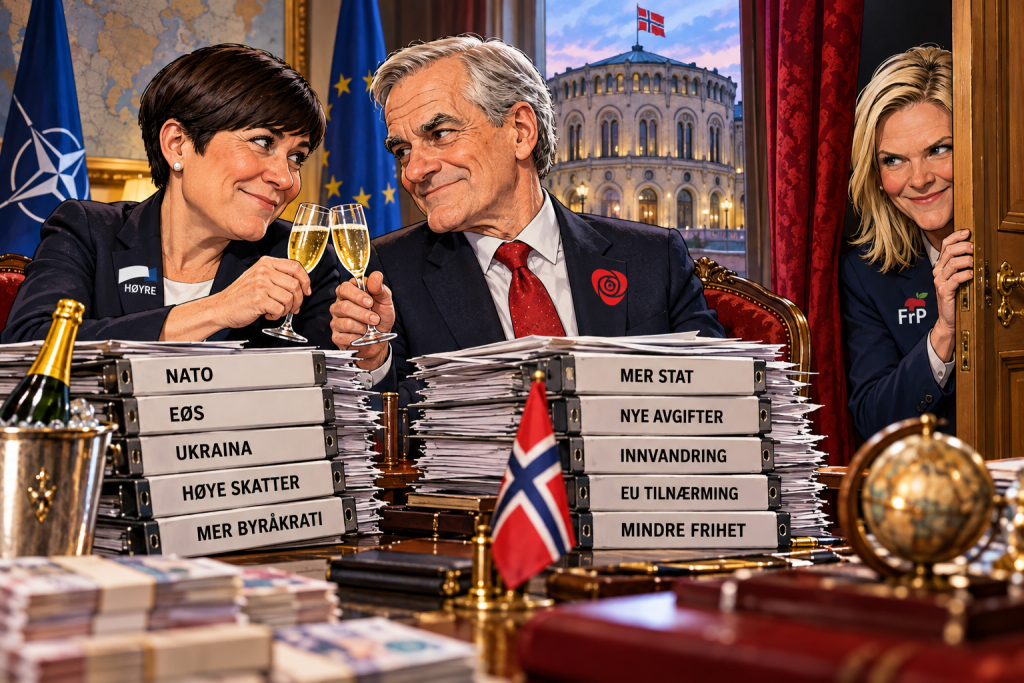
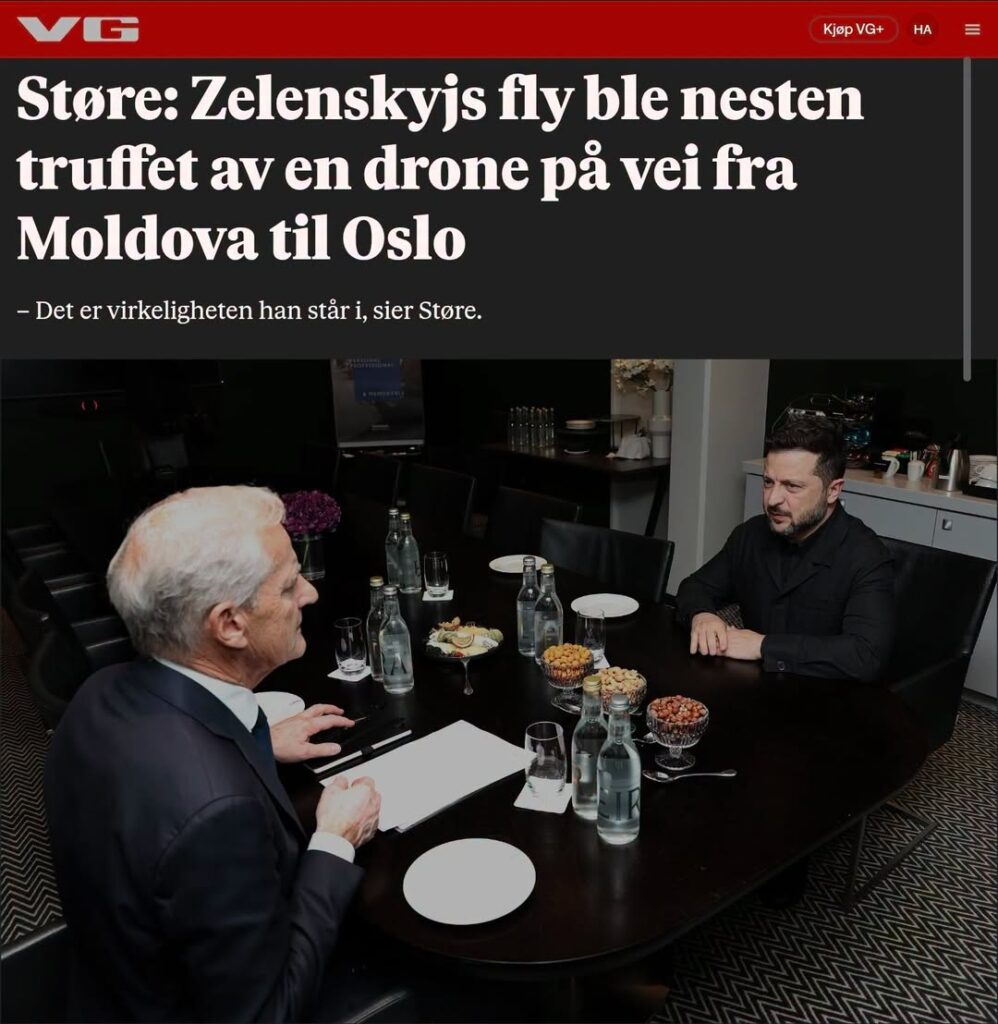
On Tuesday, Finnish President Alexander Stubb and Norwegian Prime Minister Jonas Gahr Støre called Putin, at the initiative of Finland and Norway.
It was the first direct contact between a Western European leader and the Kremlin since Macron in July 2025, and the Kremlin received them as leaders of neighbouring states rather than as representatives of the EU. The call followed the Oslo meeting on 20 October and Putin’s meeting with Witkoff in St. Petersburg on 21 October.
According to the Kremlin’s account, the sides welcomed the resumption of trilateral talks between Russia, Ukraine and the United States in Abu Dhabi in the first half of November, with the talks expected to address security arrangements for Russia and Ukraine after a complete end to hostilities.
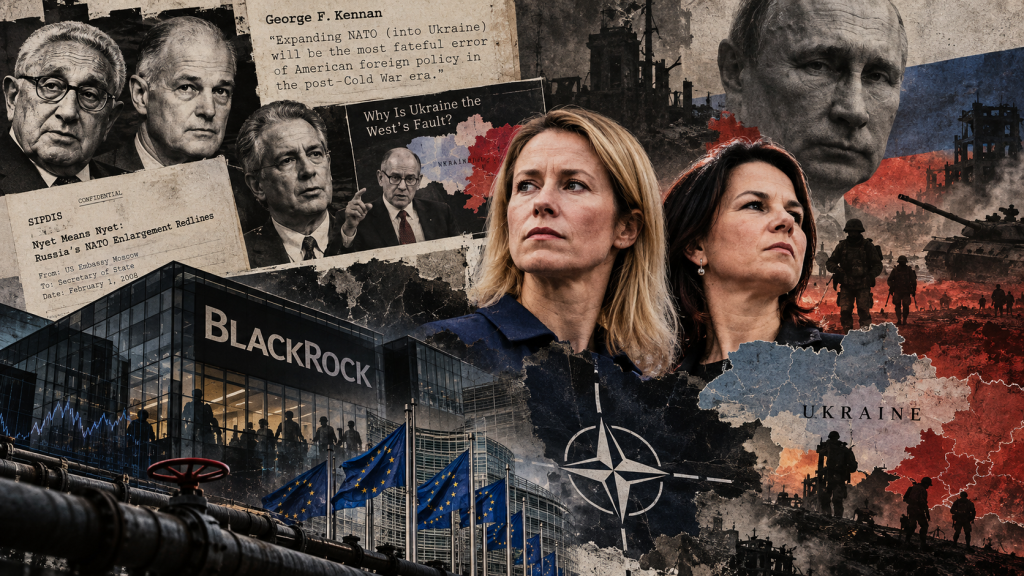
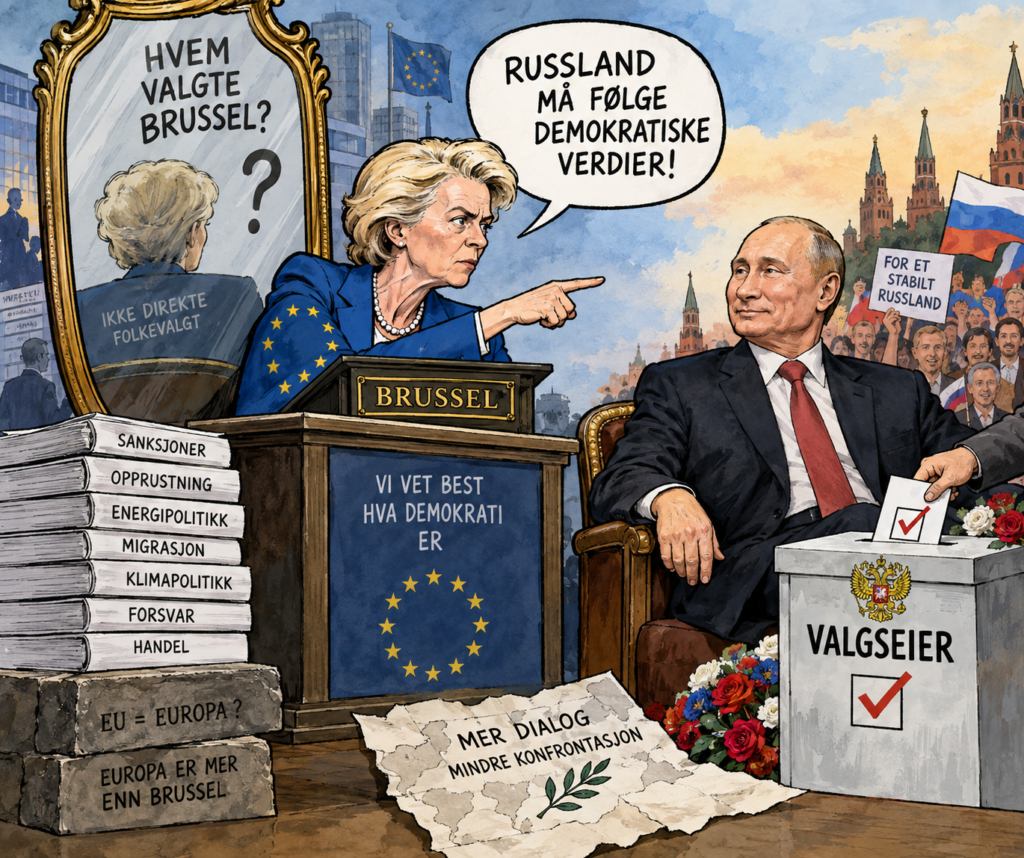
Putin went through the situation in the conflict zone and what Moscow calls the war’s “root causes”. According to the Kremlin readout, a just and lasting peace is possible only if Russia’s legitimate interests are fully and unconditionally taken into account, and Putin described EU and NATO policy as confrontational.
Stubb and Støre stressed the importance of international law and freedom of navigation in the Baltic Sea and Northern Europe. The three agreed to maintain direct telephone contact. Stubb and Støre also reiterated that their countries would continue to support Ukraine.
The words “fully and unconditionally” stand out.
Moscow has not shifted its position. The Oslo proposal — under which Russia would effectively choose between taking Donbas while Ukraine joins NATO, or freezing the front without NATO membership — was dismissed by the Russian side as offering little of value. The Telegraph reports that Putin is expected to demand that NATO roll back to its 1997 lines.
Europe’s call for a ceasefire is another point Moscow continues to reject. Peskov said on Monday that the talks place no restrictions on military operations.
The €70 Billion EU Loan
At the same time, a new EU loan package is running into resistance.
Zelensky has asked for €70 billion for next year, with around €45 billion potentially coming through a new EU lending scheme. Hungary, the Czech Republic and Slovakia want to remain outside the guarantees, and Bulgaria has also chosen not to participate.
According to Politico, a German diplomat called the position “absurd”, arguing that the same countries demand substantial support from the EU budget. The previous €90 billion loan was financed through common EU borrowing on capital markets, backed by the EU’s long-term budget, while those three countries stayed outside the arrangement.
Even supporters of a hard line are not optimistic. Garry Kasparov writes in the Telegraph that Putin will defeat Ukraine unless Europe seizes what he calls its last chance. He calls for rapid weapons deliveries and the use of Russian state assets, warning that Ukraine will lose unless money and weapons arrive immediately.
If the loan is approved, one assessment is that it will probably still not be enough to carry Ukraine through next year and could be exhausted by around spring.