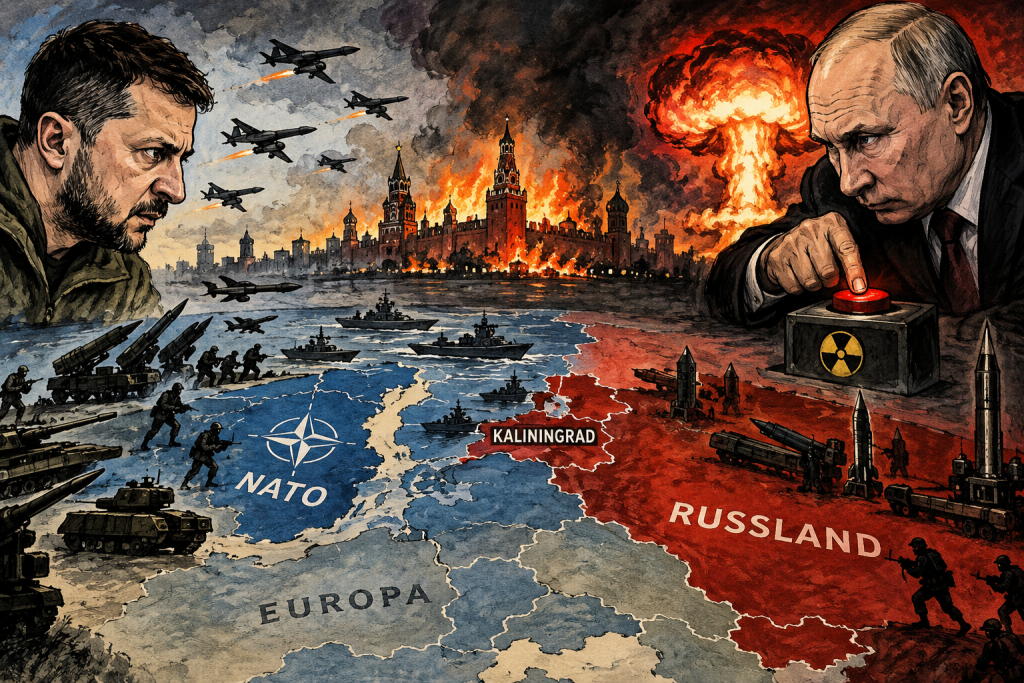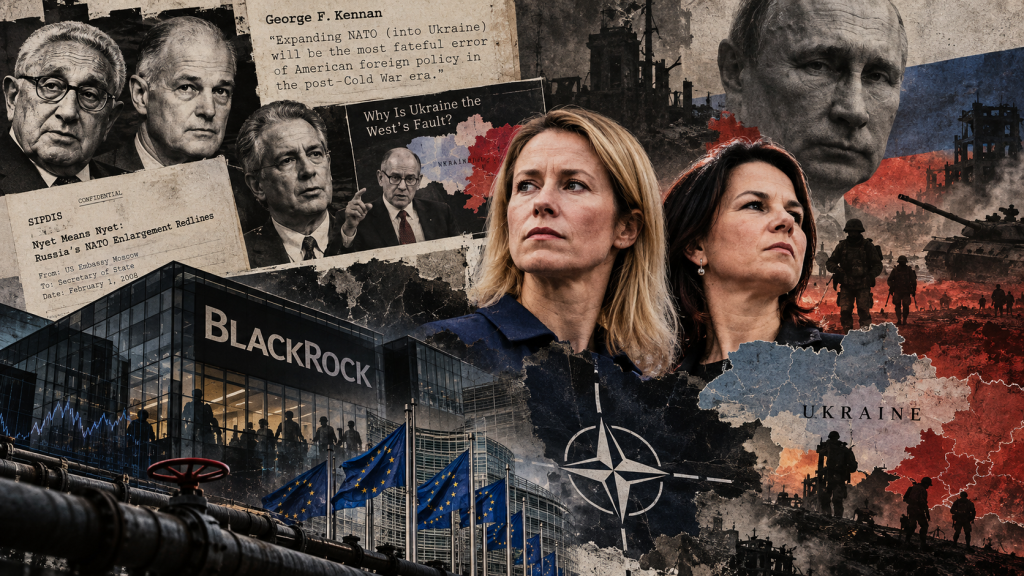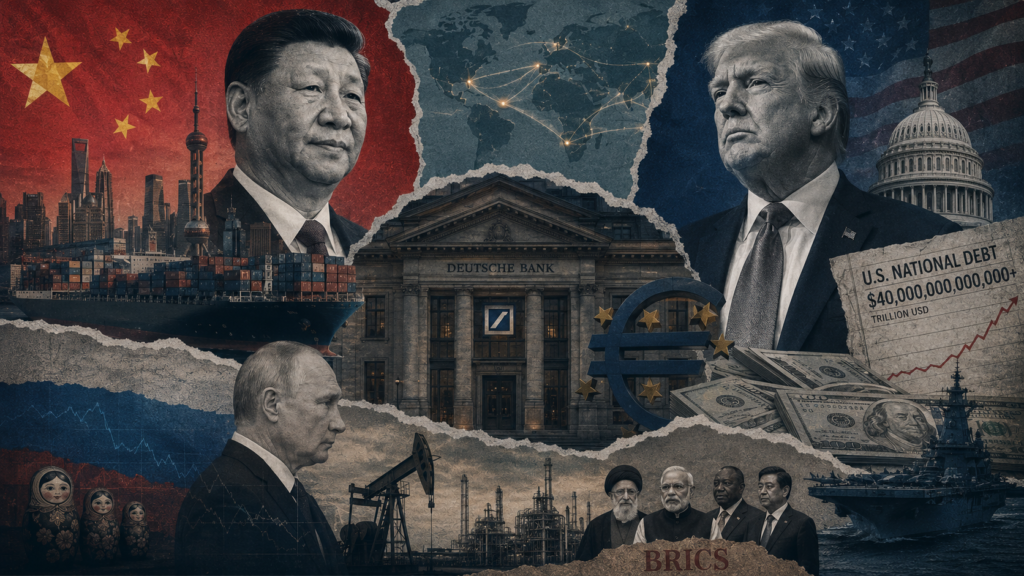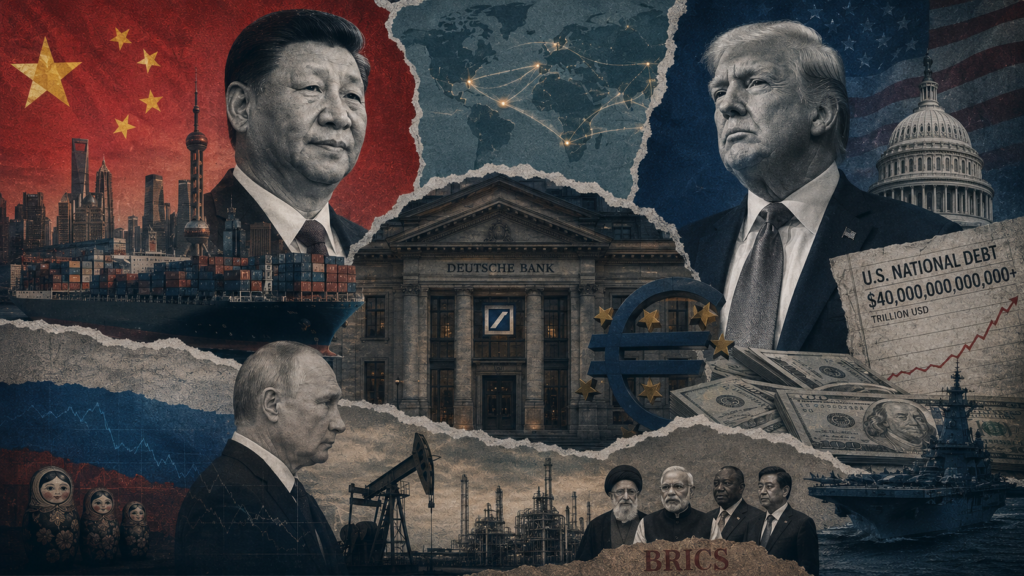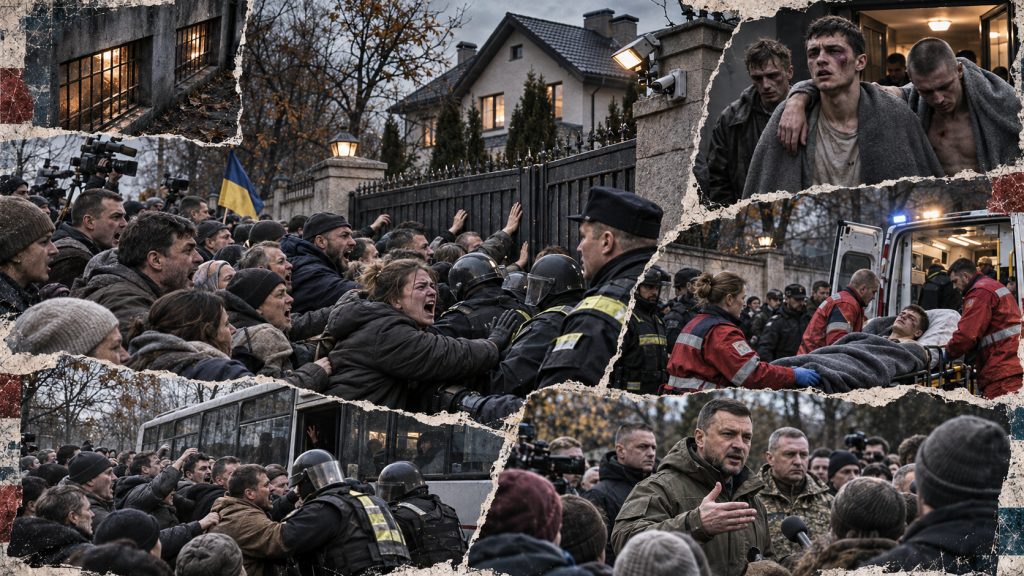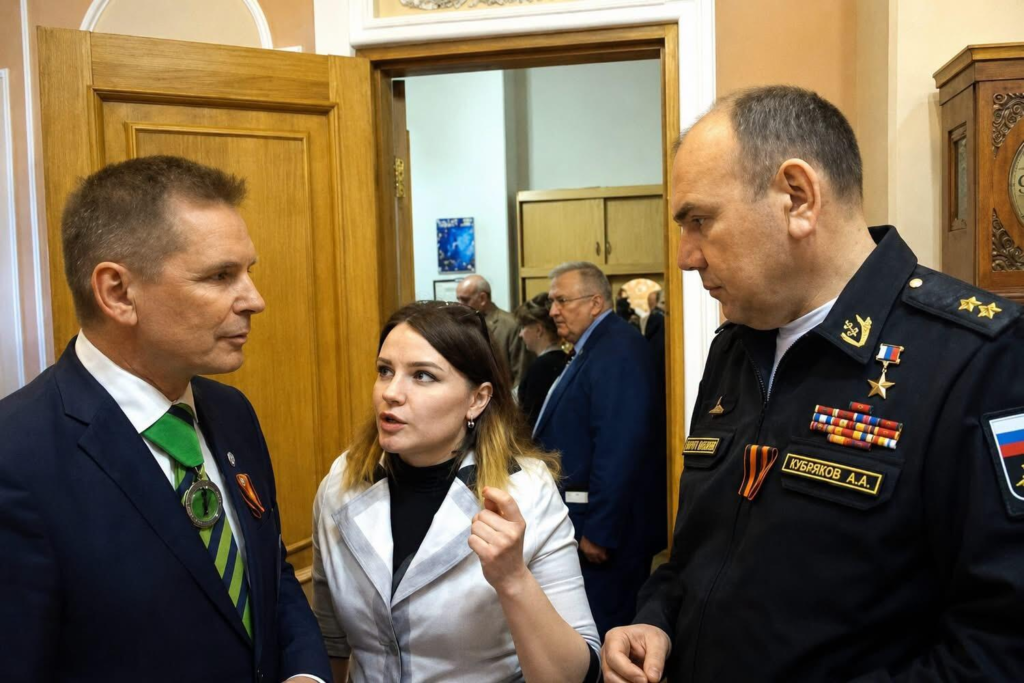
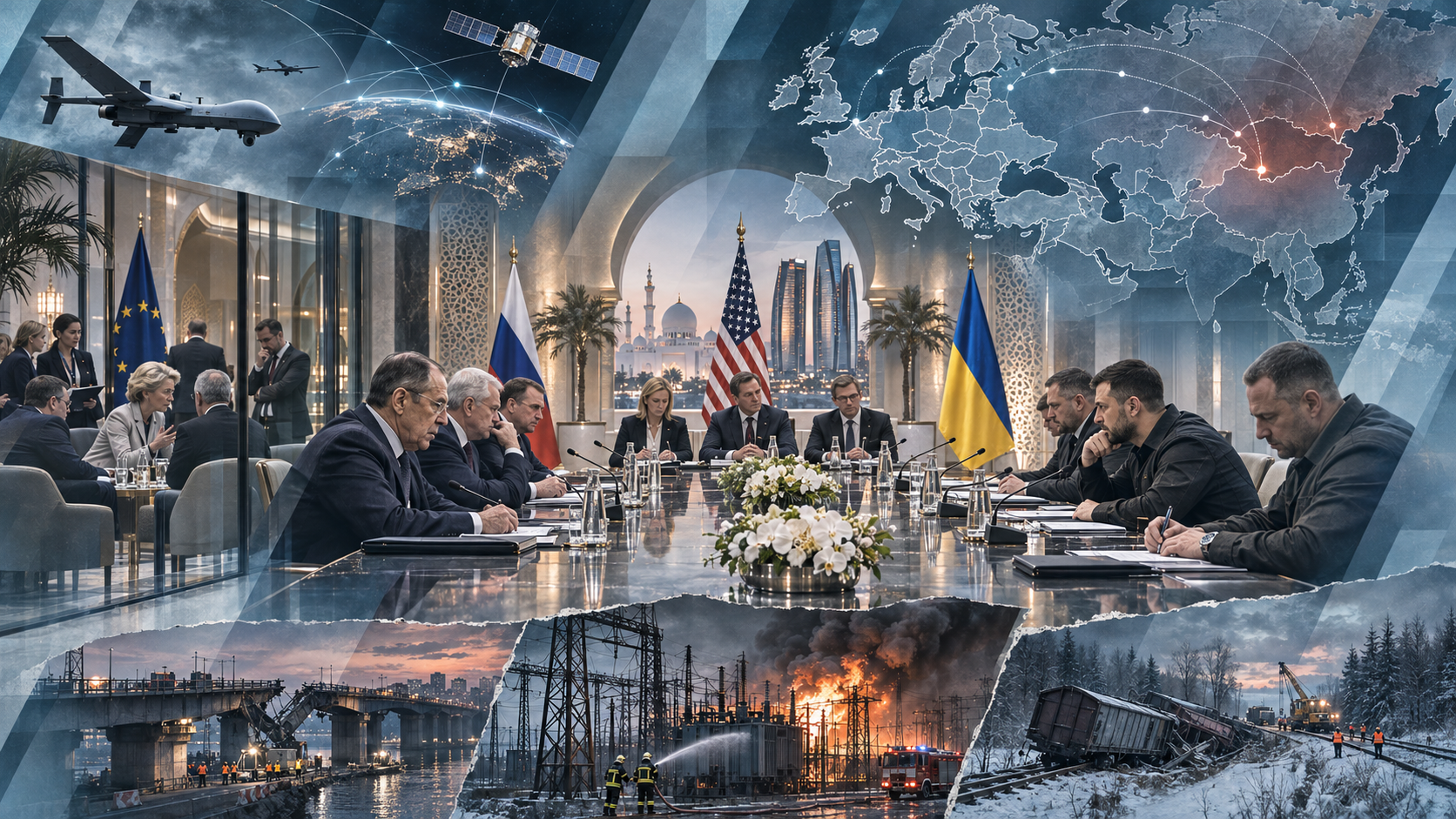
It has taken almost five years of war, hundreds of thousands dead and wounded, and an ever-deepening confrontation between Russia and the West. Now US Secretary of State Marco Rubio says that security guarantees for Ukraine must also be acceptable to Russia. It is a remarkable statement from an American administration, and it comes as Moscow arrives in Abu Dhabi with its most heavyweight negotiating delegation yet.
The talks are no longer only about where the front line should run. Russia wants to discuss the entire European security order, while Foreign Minister Sergei Lavrov is now talking about an even broader framework: Eurasia. At the same time, Zelensky warns that Russian attacks on the bridges across the Dnipro and on Ukraine’s power grid threaten to split the country in two.
Rubio Opens the Door Russia Has Been Knocking On Since 2021
The first day of trilateral talks between Russia, Ukraine and the United States in Abu Dhabi lasted nearly four hours. American and Ukrainian representatives described the meeting as constructive, but no breakthrough has been reported. Nor would one have been expected. A war of this scale is unlikely to end through a handful of sporadic meetings. If the parties are to reach a comprehensive settlement, they will probably have to negotiate continuously over an extended period.
The most important development is therefore not what was achieved around the table, but what the Americans are now willing to discuss.
Secretary of State Marco Rubio said ahead of the meeting that Ukraine must feel secure after the war, but that its security guarantees must also be something Russia can accept. Otherwise, they will not work. He stressed that Washington does not yet have a final plan and left open the possibility that the guarantees could eventually be formalised through a treaty.
According to the Financial Times, US officials have also asked Moscow whether Russia would object to security guarantees for Ukraine modelled on NATO’s Article 5.
This represents a significant change in the way Washington discusses the issue.
Since the end of the Cold War, US policy has been based on the principle that Russia should have no veto over NATO enlargement or over security agreements between the United States and other European countries. Washington has treated the question of which countries may join NATO as a matter for the alliance and the applicant states, not Moscow.
Russia, for its part, has spent decades trying to persuade the Americans to recognise that NATO enlargement and the deployment of Western weapons systems near Russian borders also affect Russian security. In 2008, Moscow proposed a new European security order. In December 2021, it followed with two draft treaties addressed to the United States and NATO, demanding, among other things, limits on further NATO enlargement and military activity in Eastern Europe.
Those proposals were rejected on crucial points. Yet Washington has now begun discussing Russia’s role in shaping future security guarantees.
That is not the same as giving Russia a formal veto. Rubio was speaking about what guarantees might work as part of a negotiated peace settlement, not about changing NATO’s membership rules. But if an agreement requires Russian acceptance, Moscow in practice gains significant influence over what guarantees can form part of the settlement.
That is precisely the influence Russia has been trying to obtain.
The question therefore becomes unavoidable: What would have happened if Washington had been willing to discuss this kind of reciprocal security guarantee before February 2022? It is impossible to establish whether the war could thereby have been avoided. The conflict in Donbas, the territorial disputes and the mistrust between the parties would still have existed. But one of Russia’s central diplomatic objections would at least have been subject to negotiation.
The timing is also difficult to ignore. Washington is now raising questions it previously rejected, after almost five years of war and at a time when Russia believes the military situation has strengthened its negotiating position.
From the Kellogg Plan to Abu Dhabi
To understand the significance of this, it is necessary to look at how the American negotiating efforts have evolved.
When the Trump administration began its attempts to end the war, the basic approach was to secure a ceasefire along the existing front lines. That was the core of what became known as the Kellogg plan: stop the fighting, freeze the military situation and negotiate from there.
Russia rejected this. Moscow has consistently argued that such a ceasefire would merely give Ukraine time to reorganise its forces, replenish its weapons stocks and resume the war later. Russian officials have therefore insisted that any halt to the fighting must form part of a broader agreement that also addresses what they describe as the underlying causes of the conflict.
The Trump-Putin summit in Anchorage in 2025 created expectations that Washington might be willing to move away from the demand for an immediate freeze of the front line. But no lasting settlement emerged from the meeting, and the months that followed were marked by renewed attempts to persuade Russia to accept a ceasefire.
Contacts with Moscow in September, including through American representatives and direct conversations between the presidents, also failed to stop the fighting.
It is this background that makes Abu Dhabi interesting.
Russia has not agreed to a ceasefire in order to gain access to the negotiating table. Instead, the Americans have accepted discussion of a broader security arrangement while the war continues.
That does not mean Washington has accepted Russia’s demands. The distance between the parties remains considerable. But the starting point of the negotiations has shifted from the question of how to make Russia stop fighting to the question of what security arrangements the parties can live with after the war.
From Moscow’s perspective, that is a diplomatic advance.
A Delegation That Shows What Russia Wants to Discuss
The composition of the Russian delegation reinforces this.
Its formal leader is presidential adviser Vladimir Medinsky. Alongside him are Deputy Foreign Ministers Sergei Ryabkov and Mikhail Galuzin, military intelligence chief Igor Kostyukov and representatives of the General Staff.
Russia has also sent a number of specialists not usually associated with straightforward ceasefire negotiations.
Among them are FSB representatives Alexei Komkov and Dmitry Minaev. Komkov heads the service’s unit for operational information and international relations, while Minaev holds a senior role in counterintelligence. Oleg Postnikov, who works on non-proliferation and arms control at the Russian Foreign Ministry, is also participating.
Ryabkov is particularly significant. He led Russia’s security negotiations with the United States in January 2022 and has extensive experience in arms control and relations with Washington. His participation in talks on Ukraine suggests that Moscow does not regard them as limited to front lines and territorial questions.
The presence of representatives from military intelligence, the FSB and arms control also opens the possibility that Russian concerns about intelligence operations, sabotage and strategic weapons systems could be discussed.
Russia has long described a range of Ukrainian operations behind the front line and inside Russian territory as acts of terrorism. Ukraine describes many of the same operations as legitimate attacks against military targets and war-related infrastructure.
Minaev’s participation does not mean covert operations are necessarily on the formal agenda. But it gives Russia the opportunity to raise the issue directly with both the Americans and the Ukrainian delegation.
The Ukrainian side is led by Rustem Umerov and also includes Kyrylo Budanov, who previously headed military intelligence and is now chief of the presidential office. The United States is represented in part by Steve Witkoff and Jared Kushner.
There is a marked difference between the delegations. The Russian side has assembled a broad group of senior diplomats, intelligence officers and military specialists with direct experience of several of the issues at stake.
That does not necessarily mean the Russians intend to negotiate more flexibly. It could just as easily mean that Moscow has prepared a comprehensive and detailed proposal and intends to hold firmly to it.
The Hidden War Moves Closer to the Negotiating Table
At the same time as the talks began in Abu Dhabi, a serious incident occurred in Russia’s Arkhangelsk region.
Early Tuesday morning, one span of a railway bridge over the Viled River collapsed, derailing several wagons of a freight train. Russian authorities said no one was injured, and that the tanker wagons were empty. The cause of the collapse is under investigation.
There is currently no evidence that the incident was caused by sabotage. Even so, it illustrates how vulnerable transport infrastructure can be in a conflict where attacks far behind the front lines have become increasingly important.
Both Russia and Ukraine have carried out operations against bridges, railways, energy facilities and military supply lines far from the direct fighting. Intelligence services play a major role in the war, and the question of how such operations would be handled in any eventual peace settlement will be difficult to keep outside the negotiations indefinitely.
In this context, developments in Britain are also noteworthy.
British Defence Secretary Wes Streeting has called in an interview with the Financial Times for new direct communication channels with Russia, particularly between the two countries’ military leaderships.
He argues that they are needed because of the danger of miscalculation and unintended escalation. Britain still has an embassy in Moscow, but has lacked regular high-level military contacts since 2022.
It is notable that London now wants such channels at the same time as Russia and the United States are discussing security arrangements in Abu Dhabi. After several years in which direct contact with Moscow has been politically difficult, British authorities are acknowledging that the absence of communication can itself create risk.
Russia Wants to Discuss Eurasia — Not Just Europe
Russian Foreign Minister Sergei Lavrov has also expanded the scope of what Moscow wants to achieve.
He is no longer speaking only about a new security architecture in Europe, but about a security order for the whole of Eurasia. According to Lavrov, Russia has drawn up its own document setting out how such an arrangement could be built without the security of some states coming at the expense of others.
Such an approach goes far beyond the question of Ukraine’s future relationship with NATO.
Lavrov has highlighted the Russian-led defence alliance CSTO as one of the building blocks. If Moscow wants to connect existing security organisations across the Eurasian continent, it would be natural for the Shanghai Cooperation Organisation to play a role as well.
That would bring China, India, Pakistan and Iran into an overarching discussion of security across a continent that also includes Europe.
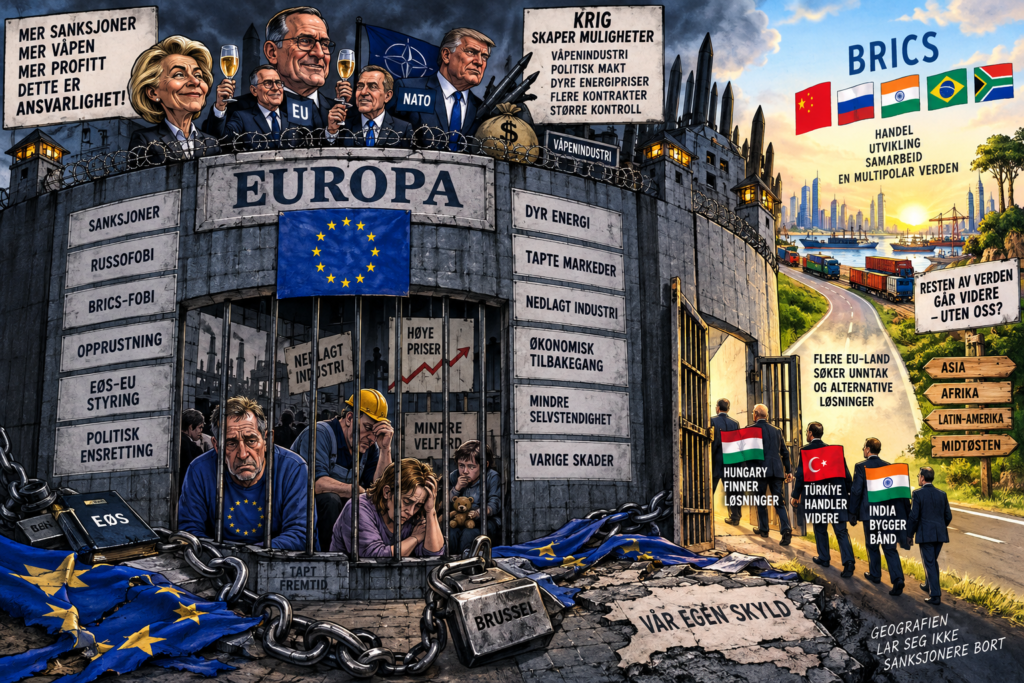
For the United States and the European NATO countries, an arrangement that gives China a formal role in questions of European security would be difficult to accept. But it illustrates how different Moscow’s long-term objective is from a traditional peace agreement between Russia and Ukraine.
Russia does not simply want an end to the present war. It wants a restructuring of the international security relationships that it believes contributed to the conflict.
Whether that is realistic is an entirely different question.
But it also helps explain why an experienced diplomat such as Ryabkov is sitting in Abu Dhabi alongside representatives of the military, intelligence services and arms control.
Europe Is in Abu Dhabi, but Not at the Table
European governments have reacted strongly to the possibility that Washington and Moscow might discuss Europe’s security without European participation.
French Foreign Minister Jean-Noël Barrot had said the Europeans would take part in the negotiations. Ursula von der Leyen has stressed that Europe must be involved in the process, while representatives from Britain, France, Germany, Italy, NATO and the EU have travelled to Abu Dhabi.
But the actual meetings between Russia, Ukraine and the United States are taking place without them.
The Kremlin has made clear that the format is trilateral. European representatives have instead held separate consultations with the American and Ukrainian delegations.
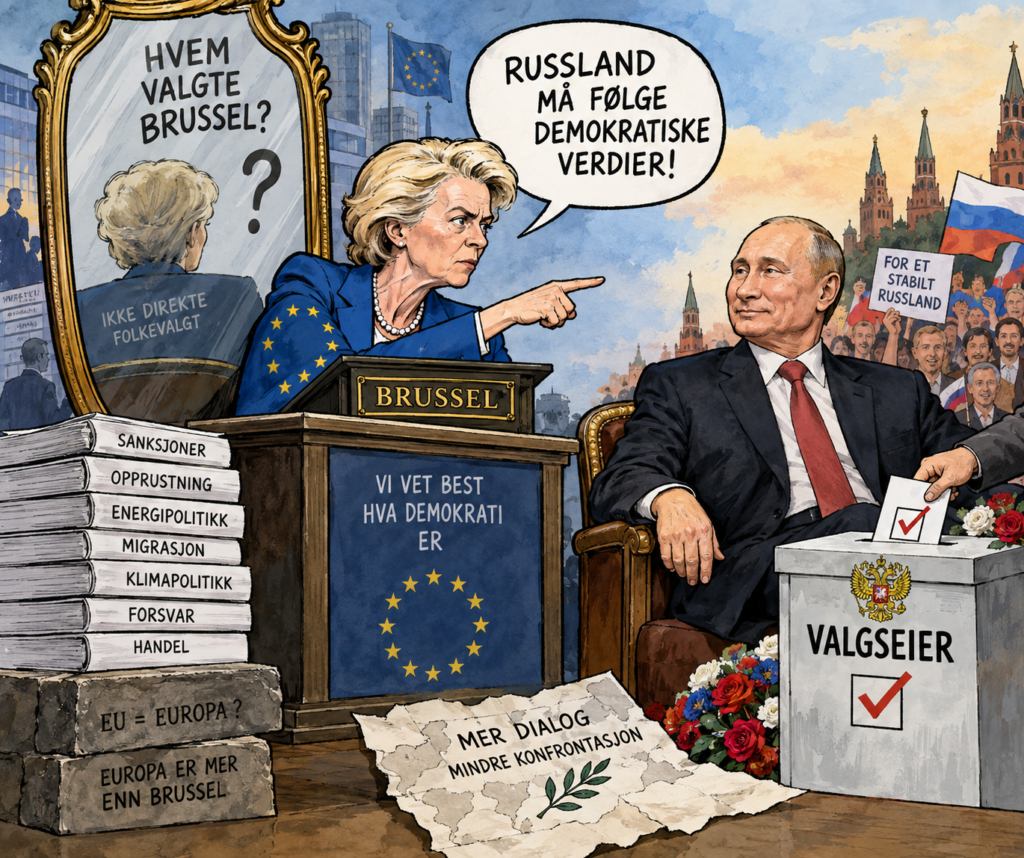
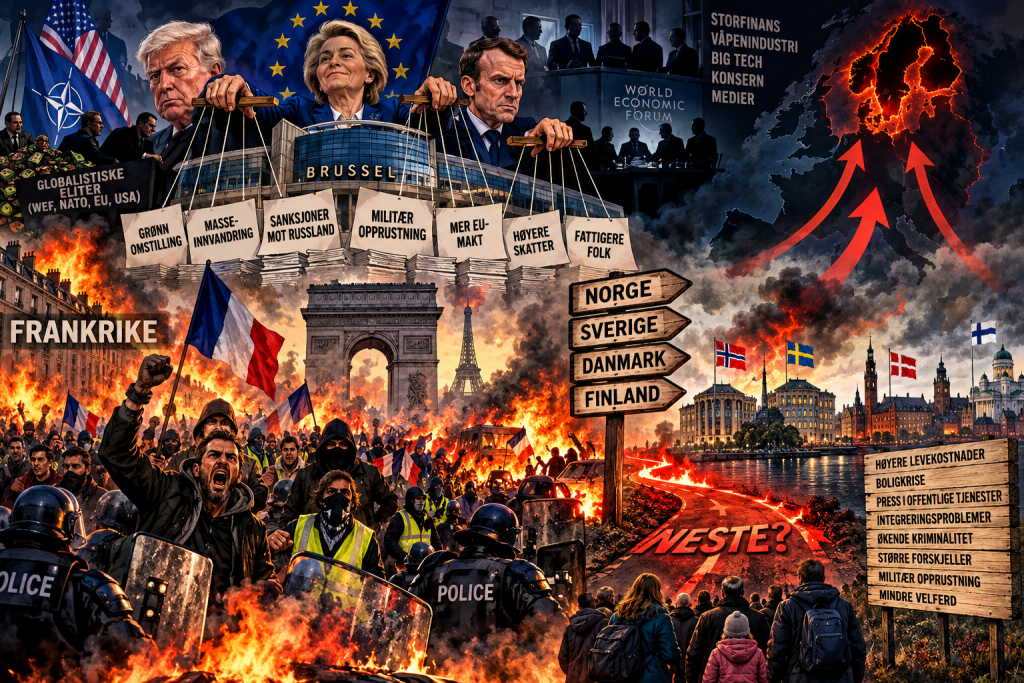
The situation illustrates a fundamental contradiction. Russia wants to negotiate with the United States about issues Moscow regards as vital to its own security. The Europeans argue that no agreement about the continent’s future can be reached without their consent.
Lavrov and Foreign Ministry spokeswoman Maria Zakharova have dismissed direct European participation. The Russian position is that the Europeans have not presented proposals for a new security arrangement that Moscow can negotiate over, but have largely insisted on a ceasefire and continued support for Ukraine.
That is not the entirety of the European position. European governments also want security guarantees designed to prevent a new Russian offensive after any eventual peace agreement. But it is true that their starting point differs substantially from Moscow’s, particularly on Ukraine’s future relationship with NATO.
There is also something paradoxical about the situation. Britain, France and Germany are among Europe’s most important military powers, yet their representatives must consult with the Americans and Ukrainians without participating directly in the talks with Russia.
That can be interpreted as a sign of how little confidence European governments have that their interests will be adequately represented by Washington and Kyiv alone.
Their presence in Abu Dhabi gives them an opportunity to influence the process, but not to present their demands directly to the Russian delegation.
Merz Threatens the EU Budget
At the same time, tensions within Europe are increasing.
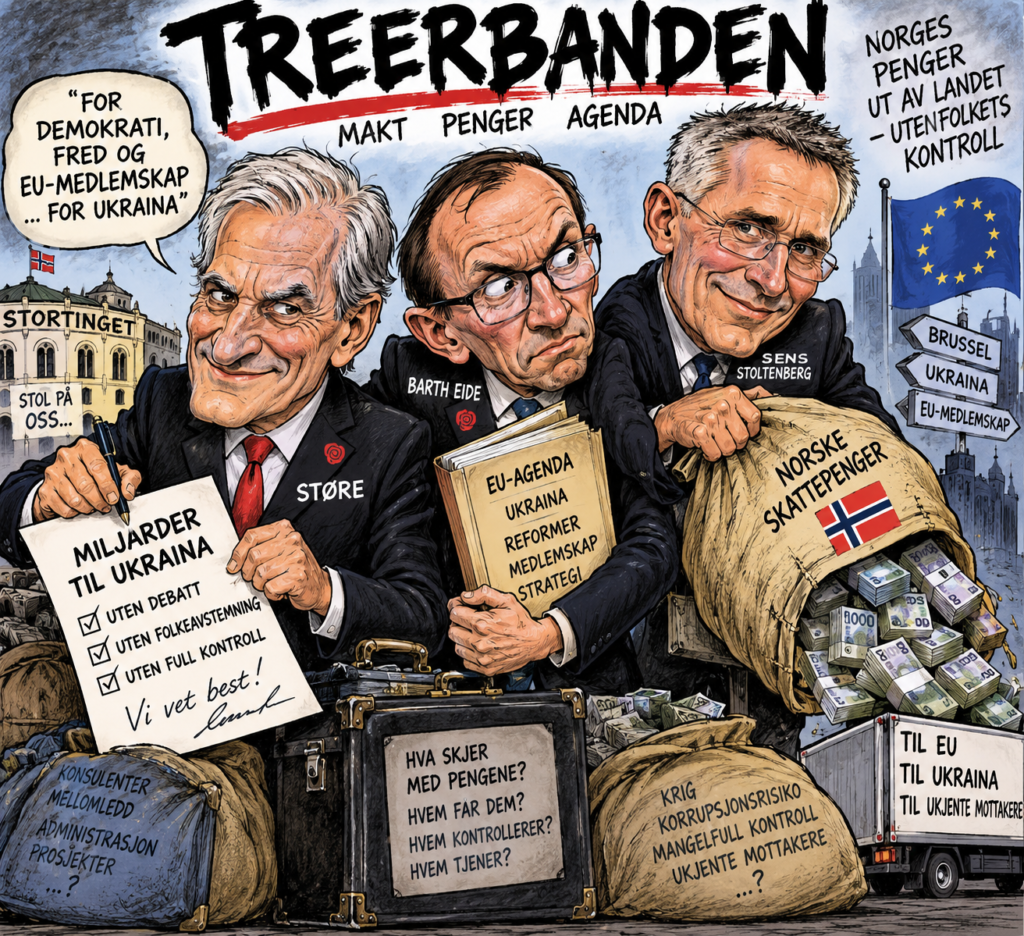
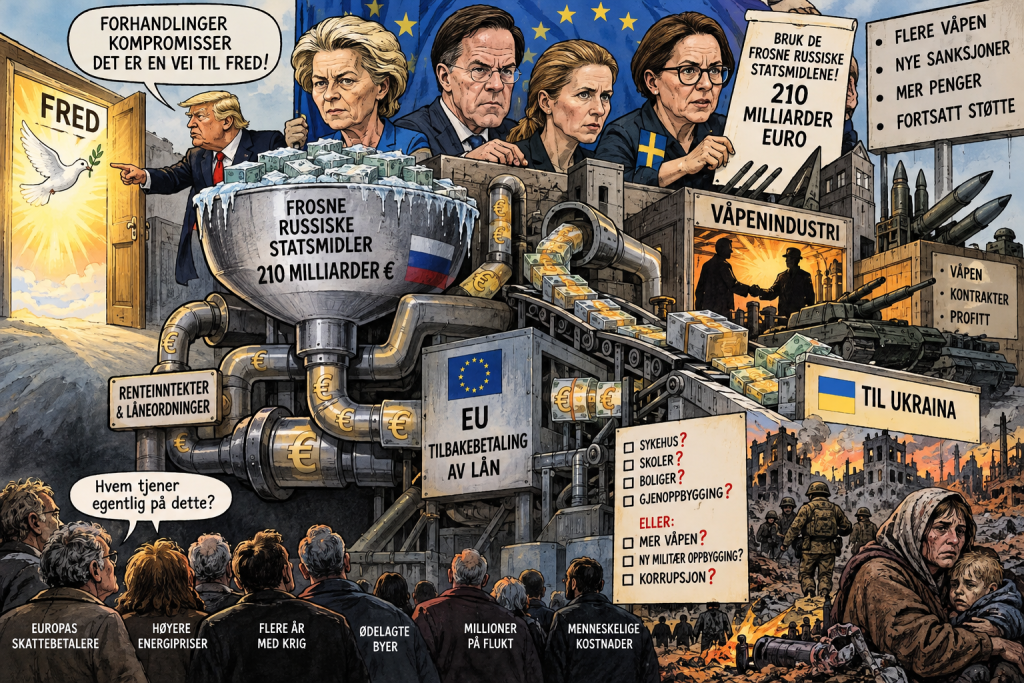
German Chancellor Friedrich Merz has threatened to withhold German support for the EU’s next long-term budget unless member states agree on a common financing arrangement for Ukraine.
Ukraine faces an estimated financing requirement of €70 billion in 2027, and the EU has discussed covering around €45 billion of that amount. Several member states oppose taking on further financial commitments.
Merz is therefore linking one of the Union’s most important negotiations, the 2028–2034 long-term budget, to the issue of continued financing for Ukraine.
It is a significant source of leverage. Structural and regional funds, agricultural subsidies and other EU transfers are important to many member states, and the German government knows that a breakdown in the budget negotiations would have consequences far beyond Ukraine policy.
At the same time, the approach carries risks.
If member states perceive the German demand as an ultimatum, it could strengthen opposition to providing further support for Kyiv. It could also make it more difficult to achieve the agreement Merz wants.
What is striking is that European leaders on the one hand insist that they must have a decisive role in any future peace settlement, while on the other they are struggling to agree on how the existing policy towards Ukraine should be financed.
Zelensky Warns: Russia Is Trying to Split Ukraine in Two
While the diplomats negotiate, the war against Ukraine’s infrastructure continues.
On Monday, Zelensky warned that Russia is trying to split Ukraine along the Dnipro River. He had discussed the issue with Ursula von der Leyen, and according to the Financial Times, Ukrainian officials believe Russia is targeting the bridges and power grid in a way intended to isolate the eastern part of the country from the west.
A senior Ukrainian official told the newspaper that the attacks are not only about transport. Russia is also said to be trying to weaken electricity transmission from west to east, potentially leaving millions of people without sufficient power and heating through the winter.
This is a serious development, and it fits a pattern that has become increasingly visible in Russian strikes.
The bridges across the Dnipro are important for transporting personnel, ammunition, fuel and heavy equipment to Ukrainian forces east of the river. At the same time, the power grid depends on an extensive system of generating plants, substations and transmission lines.
By striking both at once, Russia can create problems that reinforce one another.
A damaged bridge does not necessarily have to collapse into the river to lose its military value. It may be enough to damage the roadway, reduce capacity or force lengthy repairs. When traffic has to be diverted onto fewer crossings, supplies become slower and more vulnerable.
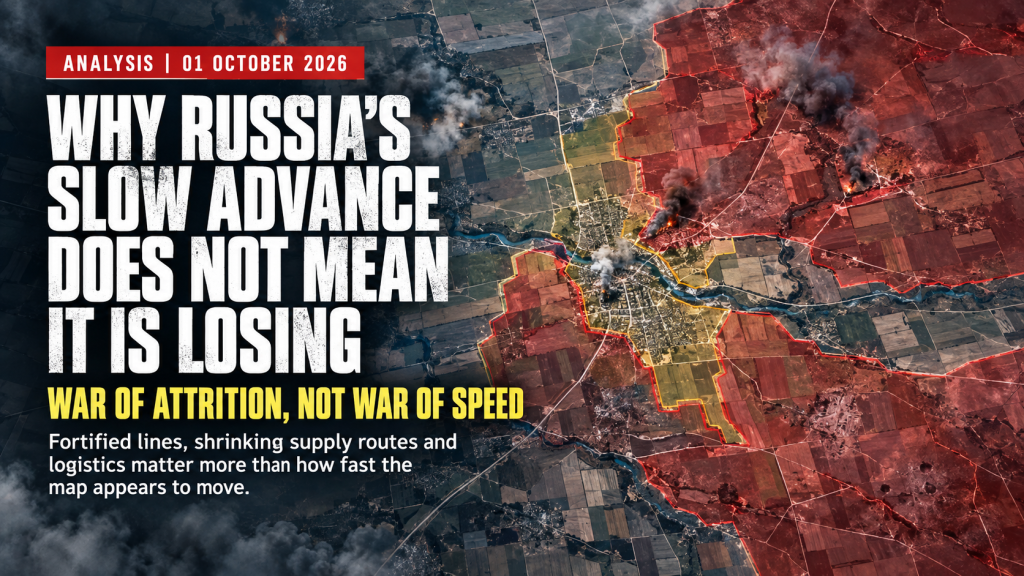
Vienna-based military analyst Franz-Stefan Gady told the Financial Times that Russia does not need to isolate all of eastern Ukraine completely. It may be sufficient to create persistent friction and attrition within the supply system.
Heavy military equipment and large quantities of ammunition are transported to a significant degree by rail. If the railway bridges across the Dnipro are destroyed or put out of service, it becomes far more difficult to move reserves quickly to threatened sectors of the front.
Other crossings can still be used, and Ukraine can construct temporary bridges. But pontoon bridges have limited capacity compared with permanent crossings and would themselves be vulnerable to drone and missile attacks.
The decisive question is therefore not only how many bridges Russia can strike, but how long Ukrainian authorities can maintain sufficient transport capacity while the attacks continue.
The Northern Bridge Hit — and Air Defence Is Running Short of Missiles
In Kyiv, Russia’s campaign against the bridges has already had noticeable consequences.
The Northern Bridge was hit by ballistic missiles on 7 November. The attack damaged the roadway and associated infrastructure, and the bridge was closed. Following technical inspections, traffic partially resumed on Sunday, but at reduced capacity.
Other bridges in the city have also been affected by strikes and traffic restrictions.
There is still no evidence that Russia has decided to destroy every bridge across the Dnipro. But the combination of repeated attacks and Zelensky’s own warning gives reason to examine whether Moscow has now made the crossings a central part of its military strategy.
At the same time, Ukraine is finding it increasingly difficult to protect them.
Zelensky has said that only four of the 36 ballistic missiles used in a major Russian attack on 7 November were intercepted. He attributed the low interception rate to a shortage of Patriot interceptors.
This is a limitation that cannot simply be solved with new funding.
Advanced air-defence missiles take time to produce, while the United States and European countries must divide their available stocks between their own requirements and those of several allies. Germany has already made clear that it cannot currently send additional Patriot systems to Ukraine.
Kyiv therefore faces an increasingly difficult choice: should air defence prioritise the capital, the power plants, substations, bridges or military forces near the front?
The more targets Russia attacks simultaneously, the harder it becomes to protect them all.
Rassvet and the Battle Over Satellite Communications
Another development could have major consequences for the future course of the war.
Russia is working to expand the Rassvet satellite system, designed to provide communications through a network of satellites in low Earth orbit. The system is often described as a Russian alternative to Starlink.
Ukrainian intelligence sources have said that Rassvet is already being used for military communications, although coverage over Ukraine is not yet continuous.
A fully developed system could give Russian forces greater ability to communicate with and control drones over long distances without being as dependent on ground-based connections.
There has also been speculation that Rassvet may have contributed to the accuracy of Russian strikes against the bridges across the Dnipro. There is no evidence for this. Modern missiles can use several forms of navigation and guidance, so there is no basis for attributing the hits to any particular satellite system.
The strategic significance is nevertheless clear. If Russia achieves broader and more stable satellite coverage, it could increase the range and flexibility of its military communications and drone systems.
At the same time, Russia has begun developing and deploying systems intended to disrupt Ukraine’s use of Starlink.
One of these is Volna Kupol Garant, designed to jam satellite communications. Ukrainian military experts have confirmed that the system exists and is being used. According to Ukrainian information, one system can disrupt communications over an area of around 20 square kilometres.
That is far less than a radius of 25 kilometres, as some Russian descriptions have suggested.
Even so, large numbers of such systems could matter. Reuters has previously reported on how Russia uses electronic countermeasures against Ukrainian drones dependent on Starlink.
Russian authorities say Volna Kupol Garant has entered serial production. If the systems are produced in sufficient numbers and moved closer to the front, they could make it more difficult for Ukrainian forces to maintain satellite connections in vulnerable sectors.
That would not mean Starlink being disabled across all of Ukraine. But it could create local areas where communications become unstable or unavailable.
Ukraine has relied heavily on Starlink for both communications and drone operations. Russia is therefore trying not only to destroy physical infrastructure such as bridges and power plants, but also to weaken the digital connections that make military coordination possible.
The combination of improved Russian satellite communications and a greater ability to disrupt Ukrainian communications could over time alter the conditions of the war both in the air and on the ground.
Lyman: Russian Sources Claim Vivaldi Has Failed
Fighting continues on the front, including around Lyman.
The Russian military blog Rybar claims Russian forces retained positions in the city throughout Ukraine’s Operation Vivaldi, and that Ukraine failed to recapture it.
According to this account, control of Lyman was a central objective because the city could be used as a base for further operations and to reduce Russian pressure on Sloviansk and Kramatorsk.
Rybar claims Russian forces have managed to restore contact with several of their units in the area, while one group in the northern part remains cut off.
Ukrainian attacks around Yampil are also reported, but according to Russian sources they have produced no significant results.
These claims have not been independently confirmed. It is therefore too early to conclude that the battle for Lyman has been decided.
If the Russian account is correct, however, it may mean that Ukraine committed substantial forces to an operation that failed to achieve its principal objective. That would further limit Ukraine’s ability to conduct larger counteroffensives in the area.
Russian sources are also reporting new advances in the Sumy region. Here too, there is no independent confirmation of their scale.
The broader development is that Russia continues operations along the front while its air forces attack transport and energy infrastructure deeper inside Ukraine.
Why Would Moscow Make a Deal Now?
This brings us back to Abu Dhabi.
Russia has sent a delegation with extensive experience in security negotiations, intelligence and military operations. Moscow has persuaded Washington to discuss questions of European security that have long been at the heart of Russian demands. At the same time, military operations continue, and Russian authorities appear to believe that time is not necessarily working against them.
Why, then, would Russia agree to a deal that freezes the front line without satisfying the demands it has advanced since 2021?
From Moscow’s perspective, a ceasefire that does not simultaneously settle Ukraine’s future military status could simply postpone the conflict. Russian officials have repeatedly said that they do not want another version of the Minsk agreements, in which the parties enter an arrangement that later collapses.
Kyiv starts from the opposite position. Zelensky rejects giving up territory and maintains that Ukraine must receive security guarantees capable of preventing future Russian attacks. NATO membership is still regarded by Ukrainian authorities as the strongest possible guarantee.
European governments largely support Ukraine’s right to determine its own security-policy future, while Russia insists that Ukraine’s future relationship with NATO must form part of any agreement.
The disagreement is therefore not only about the map. The parties disagree over the very principles of a peace settlement.
Rubio’s statement shows that Washington recognises that Russia must be involved if the guarantees are to form part of a negotiated solution. But it is not yet clear whether the United States is actually willing to give Russia the degree of influence Moscow demands.
At the same time, military conditions affect what the parties may be prepared to accept.
Russia may believe that continued pressure on Ukraine’s infrastructure and armed forces will further strengthen its negotiating position. Ukraine, for its part, may hope that continued Western support and military resistance will prevent Moscow from achieving its objectives.
Neither side currently appears willing to abandon its fundamental demands.
The most likely short-term outcome is therefore further meetings rather than a final agreement.
But even if Abu Dhabi does not produce peace, the talks could have consequences extending far beyond Ukraine. For the first time in a long while, Washington and Moscow are explicitly discussing a broader European security order while the war is still under way.
Russia has been trying to initiate this discussion since before the 2022 invasion. Now its most experienced diplomats are sitting at the table, while the United States acknowledges that Russian consent may be necessary for a peace settlement to work.
And while this is happening, attacks continue against the bridges, power grid and communications systems that hold Ukraine together.
The decisive question is therefore not only what is said in Abu Dhabi, but how much will have changed on the ground if the parties meet again in a few months.