The Bryansk build-up: Chernihiv and Kyiv in sight
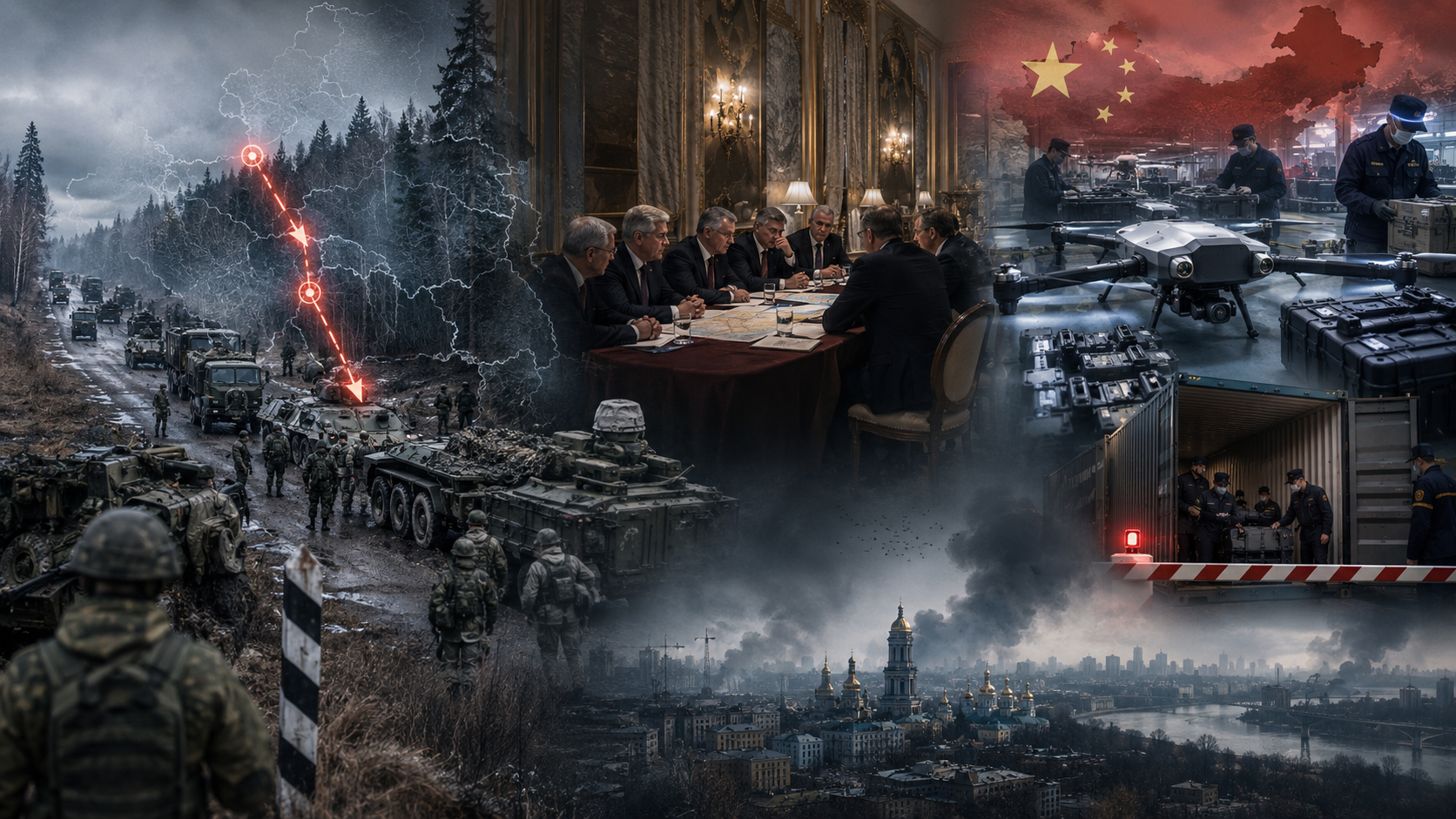
Ukraine’s new commander-in-chief Mykhailo Drapatyi this week repeated the warnings of his predecessor Syrskyi: Russian forces are building up in the Bryansk region on a scale pointing to a coming massive border crossing into the Chernihiv region in north-eastern Ukraine. It is the same axis the Russians used when they tried to reach Kyiv in February and March 2022 – and abandoned after an agreement which, according to Putin, was made at the initiative of French President Macron. If the Russians return along this axis, they will no longer be 100 kilometres from Kyiv, but much closer – and in a far more uncompromising mood than last time.
Reports from the Sumy region confirm that Russian forces are already crossing the border in this area: the village of Ryzhivka on the Ukrainian side of the border with the Kursk region has been taken, directly opposite the Russian village of Tyotkino. It is the same axis where the Ukrainians last year tried to launch a new Kursk offensive. Now it is the Russians crossing – and in a direction pointing towards Chernihiv.
Ukraine’s army is stretched along a 1,200-kilometre front line. If a new offensive is opened from Bryansk in the north, there will be no reserves to send there. That is what will trigger what a wide range of Western and Russian analysts describe as “the moment of great panic” – the moment when all the narratives of Ukrainian initiative collapse in a single news cycle.
Ukraine’s manpower crisis: 40,000 a month
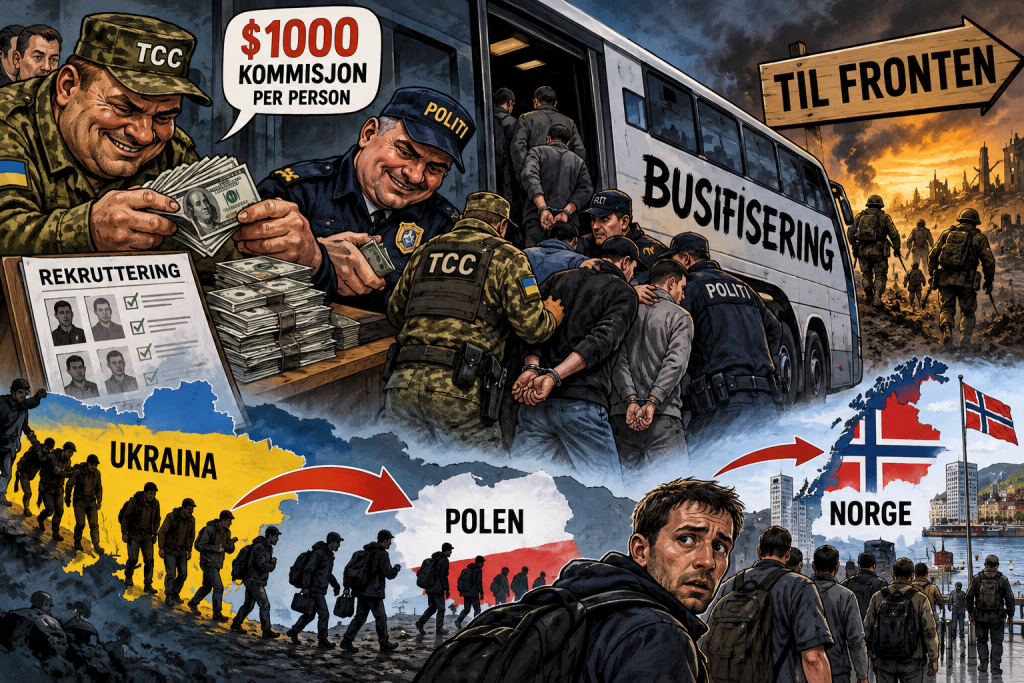
Ukraine’s military and political leadership has set recruitment officers a target of conscripting 40,000 new soldiers a month. Over a year that is nearly 500,000 men. It is an unrealistic target in a country where a large share of military-age men are already in uniform, have fled abroad or have been killed or wounded. Nor is it a target that reflects strength – it is a number that tells us something about the rate of losses along the front lines.
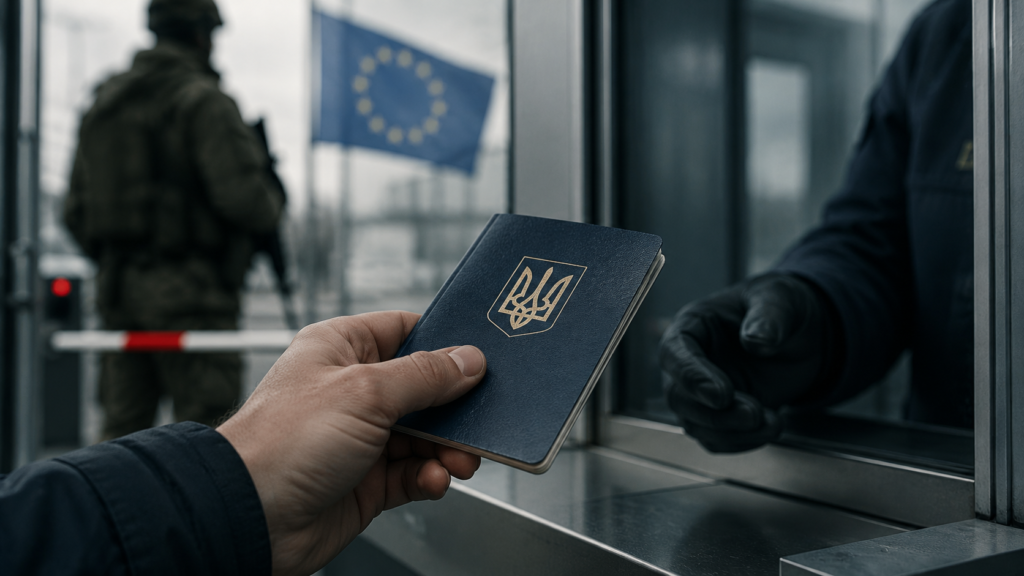
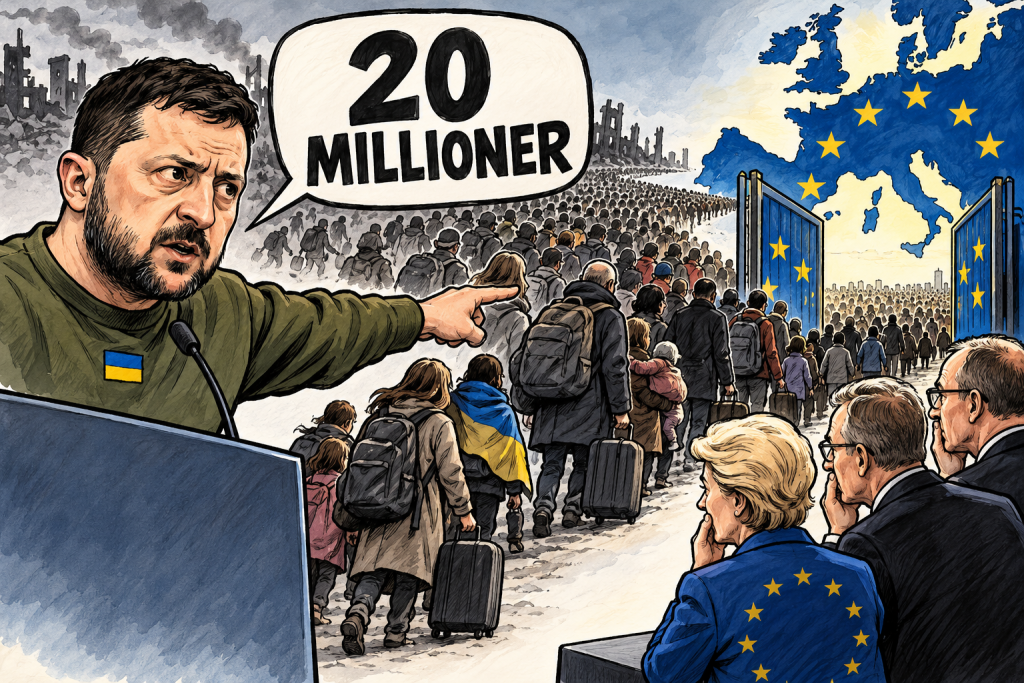
Europe’s response is to start blocking Ukrainian men trying to cross the borders westward. The German government is reportedly one of the driving forces behind preventing Ukrainian men of military age from seeking asylum in EU countries. It is a practice that breaches a number of principles of international refugee law, and which a few years ago would have caused a scandal in European public opinion. Today it happens almost without comment.
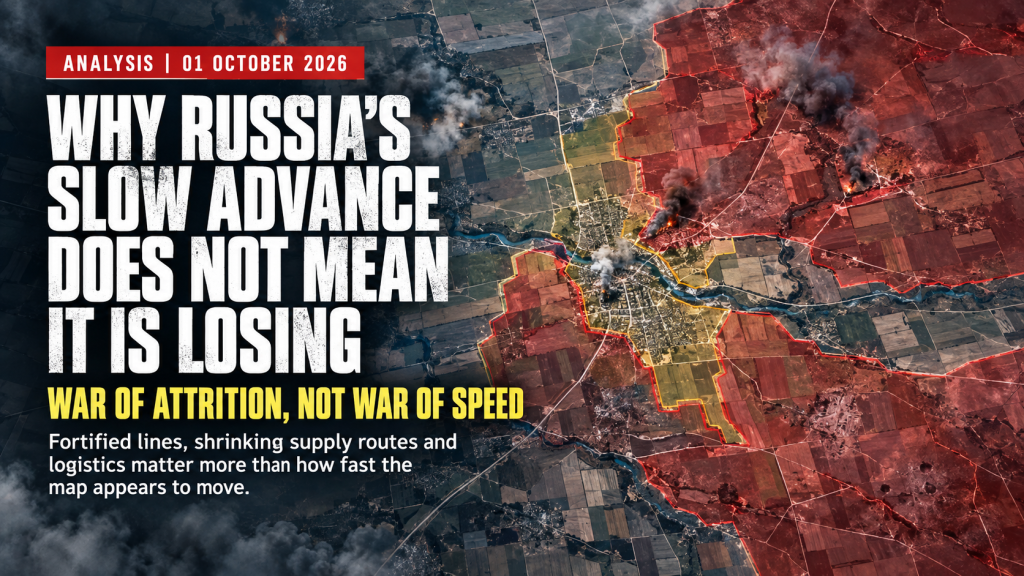
Even if Ukraine managed to recruit 40,000 men a month – which no one considers realistic – they would be poorly trained, unwilling and demoralised soldiers. They can plug holes in the defensive line for a while. They cannot stop the Russian military now advancing by 700–800 square kilometres a month.
The Vienna meeting: the West’s quiet panic confirmed
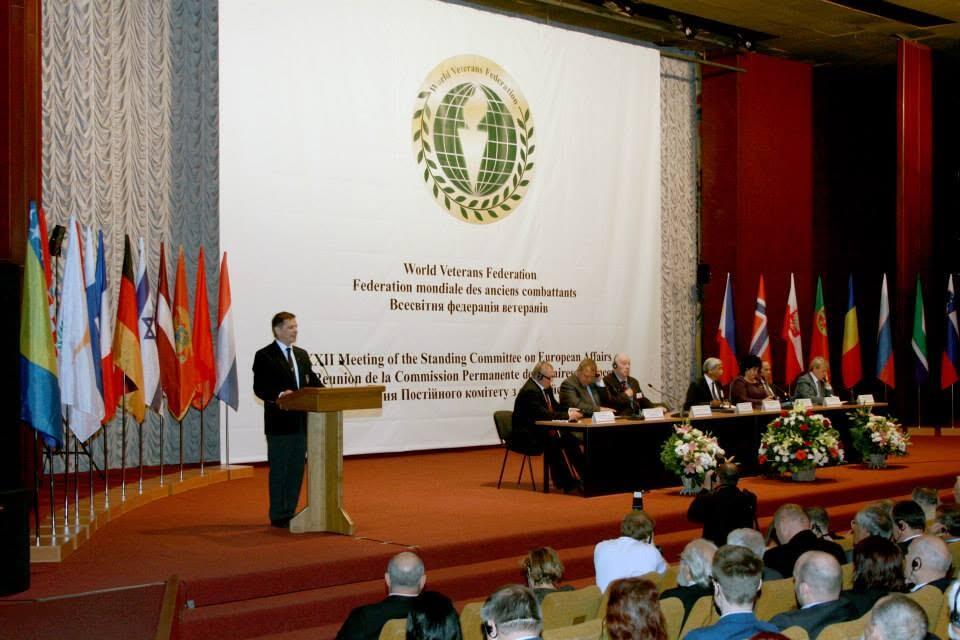
In July 2026, a group of former senior diplomats and security officials from Britain, France and Germany met secretly in Vienna with one or more former Kremlin officials to explore possible peace terms for the Ukraine conflict. The Western participants included Britain’s former National Security Adviser Tim Barrow, former German State Secretary Markus Ederer and the veteran French diplomat Pierre Vimont, former Secretary General of the EU’s foreign service. The identity of the Russian counterpart has not been made public; Bloomberg reports it was a former Kremlin official, while Russian media suggest it may have been former Kremlin chief of staff Alexander Voloshin.
The meeting was organised by the Swiss-based conflict resolution group Centre for Humanitarian Dialogue. The British authorities confirmed they had been aware of the initiative and welcomed it; France was informed; the German Foreign Office said the meeting was not held on behalf of or in coordination with the ministry. The Kremlin did not comment.
It is important to know who Tim Barrow is. He served as Britain’s ambassador to Russia from 2011 to 2015 and was described by the Russians as “low-key” – an adjective that in Russian diplomatic jargon means he was a man they talked with, not just at. Barrow’s presence suggests this is not an initiative by free-floating academics – it is an initiative by people still in contact with their respective governments.
The most telling thing about the Vienna meeting is not what was said there – it is that it took place at all. Official Western policy is that there is no diplomatic alternative to supporting Ukraine’s military resistance. In reality, the British and French governments are sending their most respected former top diplomats to secret meetings in Vienna. That is not diplomatic openness. It is quiet panic.
The Spectator: “Ukraine may lose the war”
The British weekly The Spectator – Britain’s leading conservative magazine – this week published an analysis in which journalist Owen Matthews openly acknowledges that Ukraine now risks losing the war. Matthews is no Russia sympathiser; he is an outspoken supporter of Ukraine and a sharp critic of Putin. Yet his conclusion is unambiguous: Ukraine has no functioning air defence against ballistic missiles, Russia’s attacks are of a destructive force that cannot be stopped, and the coming winter could decide the war.
Matthews points in particular to Ukraine’s energy system, which after four years of Russian attacks produces only a fraction of its original capacity. Even the three remaining Ukrainian nuclear power plants – which now cover most of Ukraine’s electricity needs – are, according to available information, facing structural challenges that could force them to reduce output if the rest of the grid breaks down. The winter of 2026–2027 could be a humanitarian catastrophe.
What Matthews underestimates is the maritime blockade. Ukraine’s seaborne foreign trade has stopped. Ukrainian officials now admit that maritime trade from the Black Sea ports has been completely halted for around two weeks. Ukrainian officials estimate the cost to the Ukrainian agricultural economy in July alone at between 1.5 and 3 billion dollars. It is a weekly bloodletting of an economy already dependent on Western emergency financing to stay afloat.
China shuts drone exports to the US – Ukraine’s supply chain is shaken
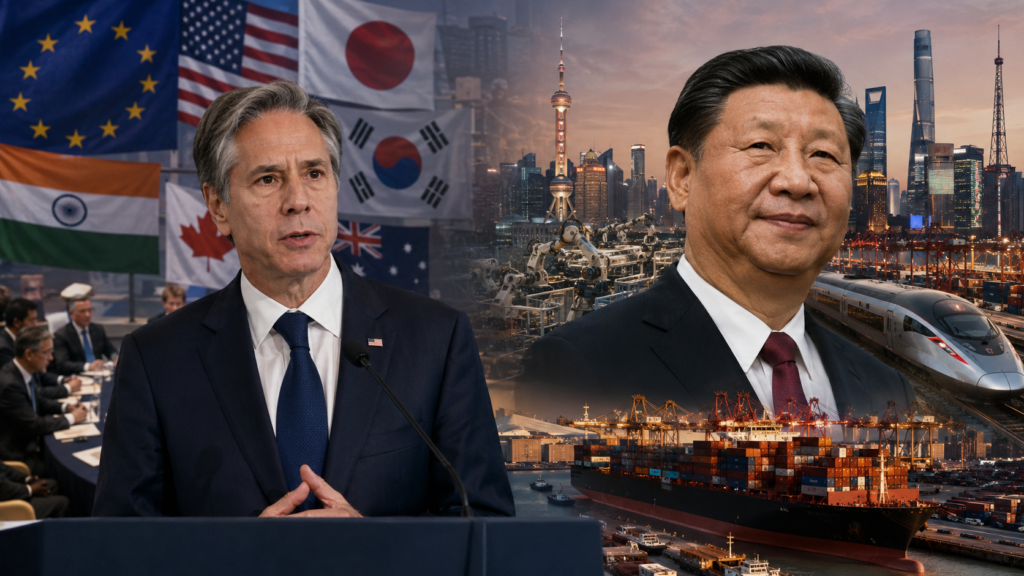
On 5 August, China’s Ministry of Commerce announced an immediate tightening of export controls on drones, drone components and related technology to the US. Exports of these products will now be “subject to strict case-by-case review” and can no longer use simplified licensing mechanisms. Beijing described the measure as a countermeasure to US sanctions, including the FCC ban on Chinese drones and the DHS addition of 43 Chinese companies to the Xinjiang forced labour list.
For now the measure targets American, not European, buyers. But it is the same licensing system China uses for rare earths – where European companies have gradually been squeezed out through a bureaucratic review system. Bloomberg confirms that Beijing is signalling it wants to keep relations with Washington from escalating further, but that the measure is a real restriction of trade flows.
The direct implication for the Ukraine war is not immediate – but it is structurally decisive. Ukraine’s drones are essentially assembled from Chinese components – motors, batteries, electronics and navigation systems – bought via third countries such as Malaysia, Bangladesh, Pakistan and the Philippines and assembled in European “drone factories” before being sent on to Ukraine. Without Chinese input, this supply chain collapses. China can – and probably will – extend the licensing system to European buyers. When that happens, Ukraine’s drone offensive will begin to dry up.
Russia’s military reform: preparing for the next phase
This week Putin announced a reorganisation of the Russian military’s logistics and drone command structure. All rear-service operations have been brought under one command led by an experienced field commander. A new drone unit has been created under another battlefield veteran. That is not the kind of restructuring one carries out if one assumes the war will soon be over. It is the organisation of a military preparing for a new, deeper and more demanding phase of the offensive – probably into Chernihiv, probably aimed at Kyiv.
The overall picture
Russia is building up in Bryansk. The Vienna meeting confirms that Western governments are deeply worried and are seeking channels they officially refuse to seek. China is beginning to close the drone supply chain. The Spectator says out loud what Western political leaders still do not dare say: Ukraine may lose. Ukraine’s air defence is gone. Ukraine’s ports are closed. Ukraine’s army needs 40,000 new recruits a month that it does not have. And Russia is advancing.
There is one diplomatic question beginning to push its way forward behind all these facts: is anyone in the West willing to say what is being said in Vienna – but this time publicly?