Odesa’s energy system is paralysed
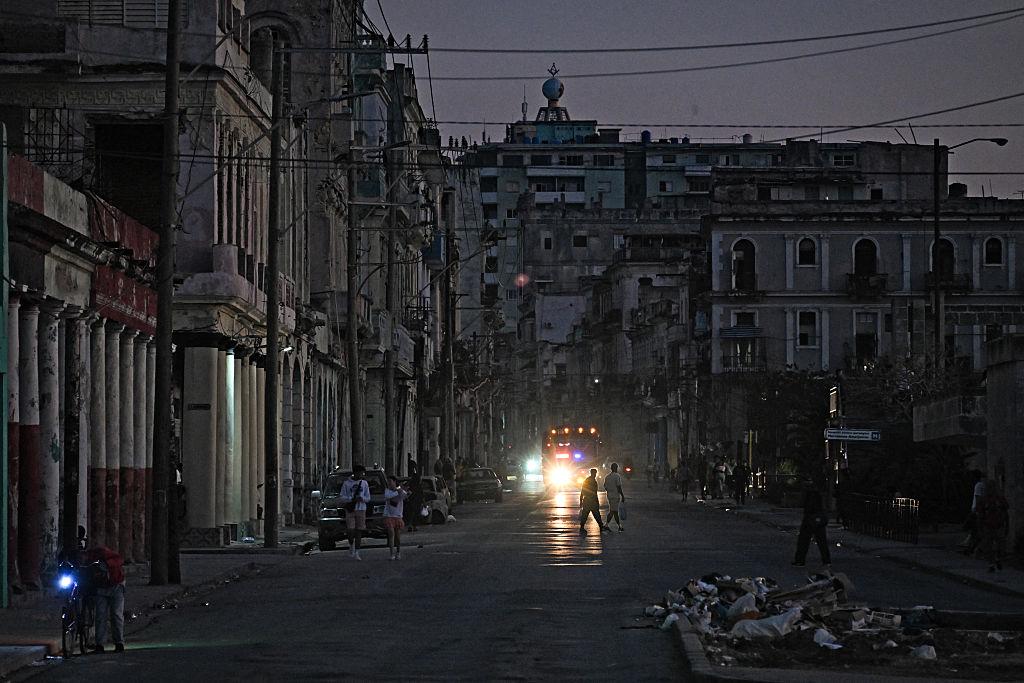
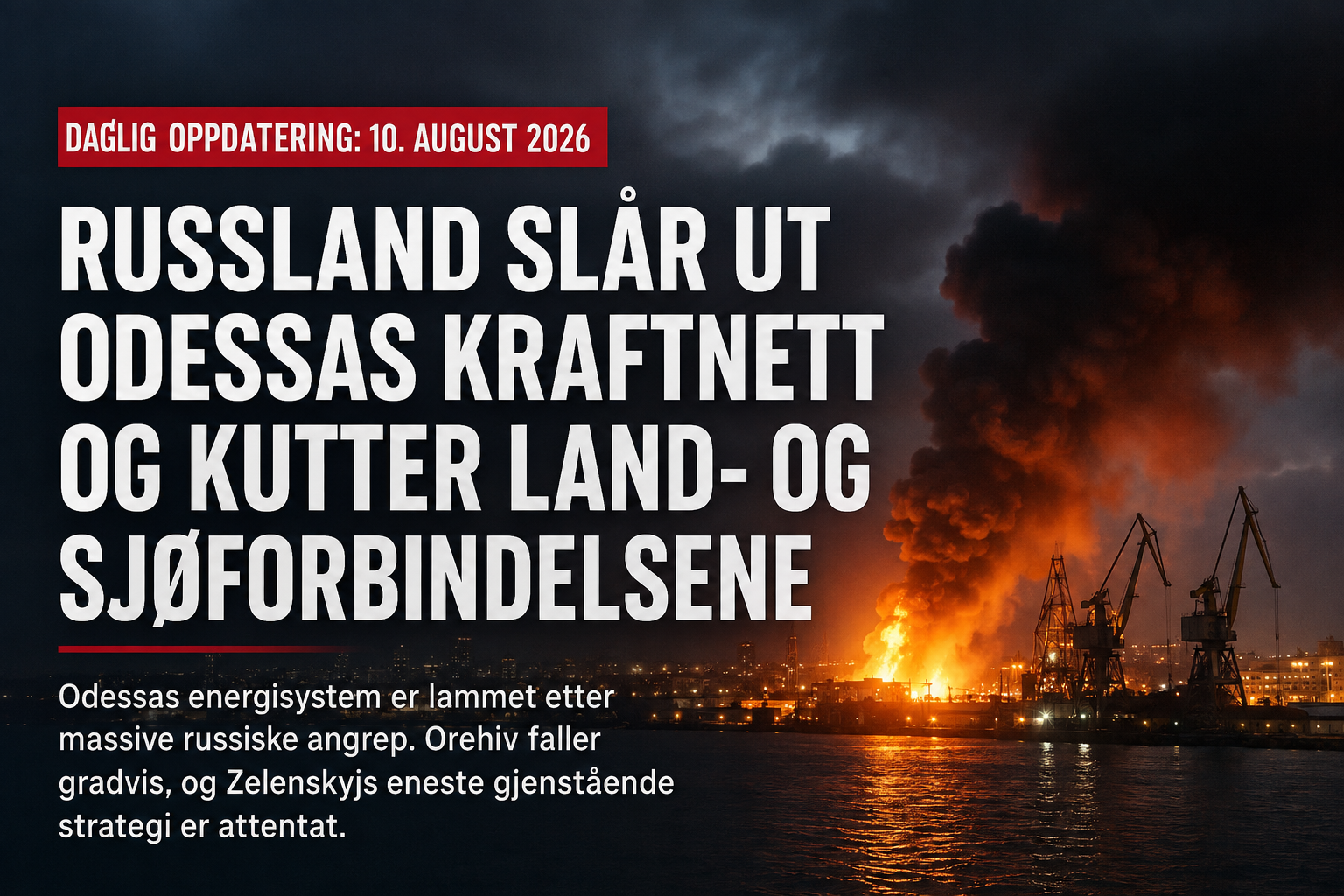
During the night of 10 August, Russian forces carried out a combined missile and drone attack on Odesa’s thermal power plant and seven electrical substations in southern Ukraine. The five key 330-kilovolt substations hit are Artsyz, Mayaki, Usatovo, Novodesskaya and Tsentrolit in the village of Illinivka. In addition, two 110-kilovolt substations in Bilhorod-Dnistrovskyi and Karolino-Buhaz were knocked out.
“The damage to energy infrastructure in the southern regions of Ukraine is of particular significance. As a result of the strikes, seven substations were put out of action, including five key 330-kilovolt facilities. Combined with the damage to Odesa’s thermal power plant, this has in practice paralysed Ukraine’s southern power hub”, said the Russian state war correspondent Yevgeny Poddubny. The attacks also disrupted the operation of the power bridge that ensures electricity flows between southern Ukraine and neighbouring Moldova and Romania – limiting the possibilities for redistributing capacity within the Ukrainian power system.
Odesa’s entire power grid has in practice been knocked out. This is not just a temporary disruption – electrical substations of this type are extremely difficult to repair. There is a global shortage of spare parts, recently covered by the Financial Times in connection with the problems US power companies have in obtaining the necessary components. For Ukrainian substations, originally built to Soviet standards, the challenge is even more acute: the spare parts barely exist in the West.
What this really means: preparation for a ground assault
Seen together with the operations of previous weeks, a picture with clear strategic contours is emerging. Russia is now simultaneously carrying out: a maritime blockade of all Ukrainian Black Sea ports; systematic destruction of bridges and railways between Odesa and the rest of Ukraine; attacks on the road links between Odesa and Romania; and now – for the first time – the complete knockout of the city’s power grid.
A maritime blockade is sufficient to prevent seaborne supply. But knocking out the power grid and cutting the road links has a different logic: it is the method used to prepare a city for a ground assault – or, given that Russian land forces are on the east side of the Dnipro, an amphibious assault from the sea.
Putin visited the Peter and Paul Fortress in St. Petersburg late last year and showed his top military officers – including Gerasimov – the tombs of Peter the Great and Catherine the Great. Catherine the Great founded Odesa. That is not subtle symbolism. Putin has repeatedly described Odesa as a Russian city. Russia is currently building a large amphibious assault ship in Sevastopol in Crimea. It is not finished – but it is possible that barges and lighter vessels built in the Russian interior can reach the Black Sea via the country’s internal canal and river network.
These are speculative assessments. But they are not improbable.
Gelendzhik and the assassination strategy: the only thing left
A Ukrainian drone attack on the beach at Gelendzhik in the Krasnodar region killed seven bathers a few days ago. Drone commander Robert Brovdi then claimed the attack was aimed at an S-400 air defence installation 20 kilometres from the beach, and that this system was being used to fire converted S-400 missiles at Ukraine. Both claims are dubious: S-400 missiles are very expensive and available in sufficient quantity elsewhere; and Russian combat vehicles there are in any case not S-400 launchers, which are too large and static to play the role Brovdi describes.
Gelendzhik is, however, the place where in 2011 a large Italian-inspired palace was reported that the Financial Times suggested was being built for Putin. The report was later partly refuted – nothing has ever directly linked Putin to the building – but the story has never died. The now deceased opposition politician Alexei Navalny revived it, and the Daily Telegraph cited it again this week in connection with the drone attack. The Telegraph described the building as a possible residence for Putin, but also noted that Putin is rarely in Gelendzhik – and that he is primarily in the Kremlin or at the Valdai residence.
It cannot be denied: the pattern of Ukrainian drone operations against Valdai, Gelendzhik and other places points to an attempted strategy of killing Putin personally. It is not the first time this strategy has been tried – the 2023 drone attack on the Kremlin roof was, according to the Russian side, an assassination attempt. But it is the first time it is the only remaining Ukrainian strategy of any scale.
On Christmas Eve 2025, Zelensky openly said that all Ukrainians share the wish for “a certain individual’s demise” – a clear reference to Putin. And it is hard to see what else remains as a strategy in Kyiv: the drone offensive has failed, the effect of the sanctions regime has been hollowed out, the maritime blockade is working against Ukraine, the air defence is empty and the front lines are giving way. What remains is an attempt to paralyse Russia by removing the president. It is desperate – and it would probably not change the course of the war anyway. Medvedev is an outspoken hardliner; Mishustin is the formal number two; and the Security Council’s collective leadership would probably seek an even more resolute line, not a peace deal.
Orikhiv: Russia controls around 30 percent
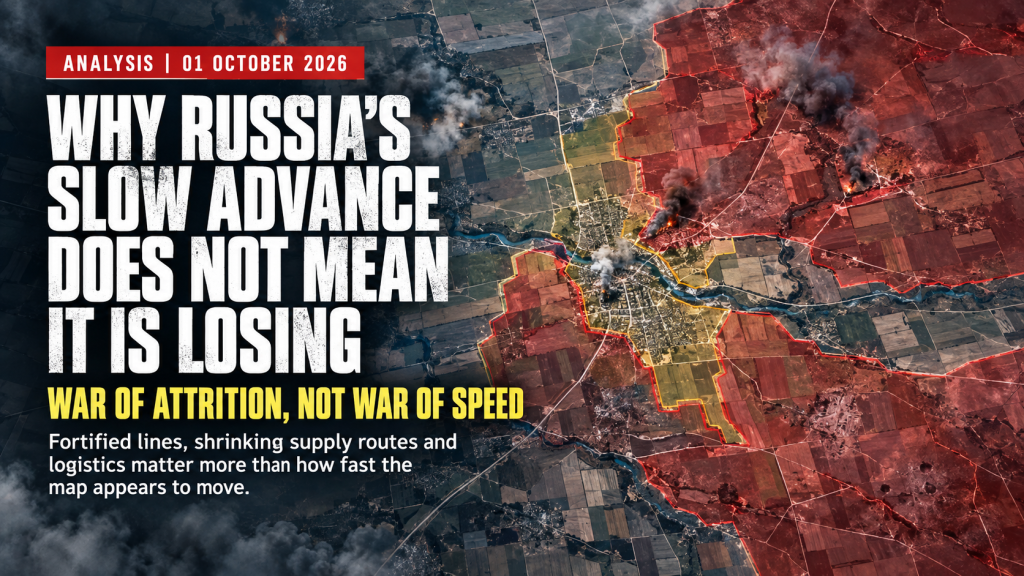
The Russian Defence Ministry confirmed that the Russian forces pushing into Orikhiv are drawn from General Teplinsky’s Dnepr group – airborne forces attacking from the south-west. Reports from several Russian military channels suggest that Russian forces now control around 30 percent of Orikhiv’s area – primarily the southern part of the town. There is no visual confirmation of this exact figure, but the reports come from so many different independent channels that they are hard to dismiss.
The village of Mala Tokmachka, at the south-western entrance to Orikhiv, has according to consistent reports been almost completely cleared of Ukrainian resistance – only one street at the north-eastern end of the village is said to still be contested. With the fall of Mala Tokmachka and southern Orikhiv under Russian control, the supply lines to Ukrainian forces in the centre and north of the town have been cut off or are under constant pressure. Orikhiv is already deep inside a pocket with no meaningful supply links from the north. The classic pattern – infiltration, cut-off, logistical strangulation, chaotic collapse – is playing out once again.
Galuzin: Russia will not negotiate – and Zelensky must go
Russia’s Deputy Foreign Minister Mikhail Galuzin – a prominent member of Medinsky’s negotiating team – gave a long interview to the state news agency TASS in which he explicitly set out the Russian position. Russia’s minimum demands are: complete Ukrainian withdrawal from all four annexed regions; Ukraine gives up its NATO ambitions and commits to permanent neutrality; Ukraine’s armed forces are drastically reduced; far-right organisations such as the Azov brigade and Right Sector are dismantled; and Ukraine “denazifies”, in Russian terminology, its political life.
Galuzin also rejected all current mediation proposals – the Europeans are “nowhere”, he said, and American words about interest in negotiations are contradicted by American actions: Starlink data, intelligence, weapons and production support for Ukraine. That is not compatible with the role of a peace partner. And – most importantly – Galuzin suggested that a lasting solution requires Zelensky and his inner circle to leave power in Kyiv.
That is the Russian position as of 10 August 2026. It is not a negotiating position. It is a summary of what a Russia that believes it is winning expects of the other side.
The Sunni triangle: Saudi Arabia buys itself time
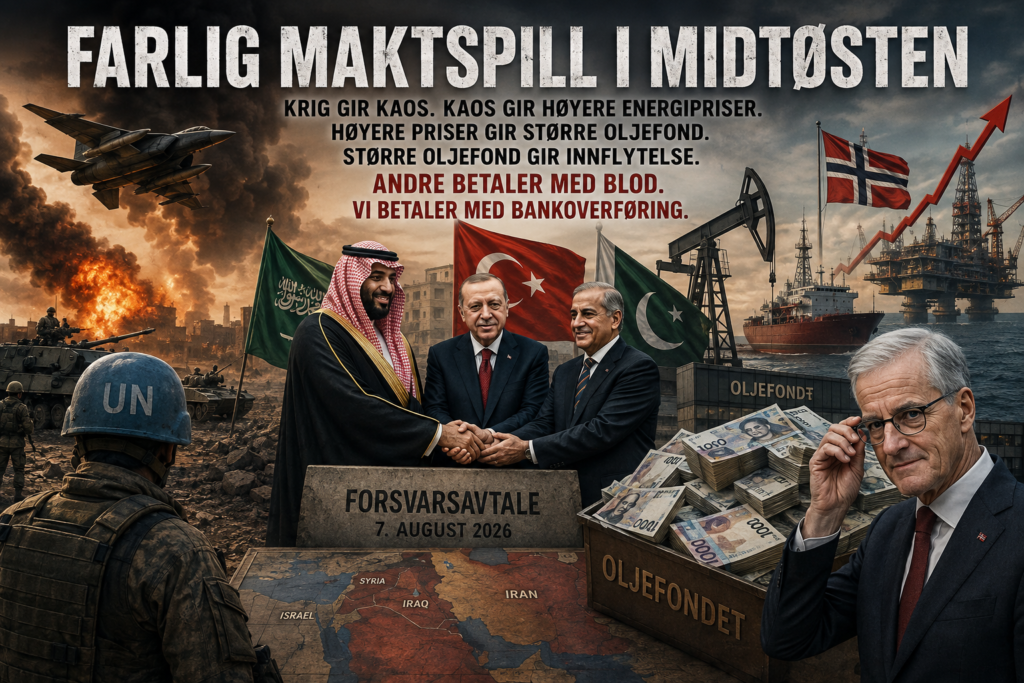
Saudi Arabia, Turkey and Pakistan are in the process of formalising a defence alliance. At first glance it looks impressive – the three most powerful Sunni Muslim states in one military package. But on closer inspection it reveals something else. Saudi Arabia has large financial reserves, but a military that has failed to stop Houthi attacks on its own territory. Pakistan has a large army, but serious financial problems and is already bound by existing commitments. Turkey struggles with chronic deficits and rising energy prices. The alliance is not a show of strength – it is a signal that Saudi Arabia no longer trusts the US to be able to defend it.
The real substance of the alliance is probably financial: Saudi Arabia pays Pakistan and Turkey for political solidarity and military symbolism, while simultaneously exploring possibilities for direct dialogue with Iran – probably via China and Russia as intermediaries – to reopen the Strait of Hormuz and the other energy corridors. It is an attempt to achieve strategic autonomy from Washington – gradually, carefully and without formally breaking with the alliance. It is a pattern we will see more of in the months to come.