“I would like that too” – Putin signals acceleration
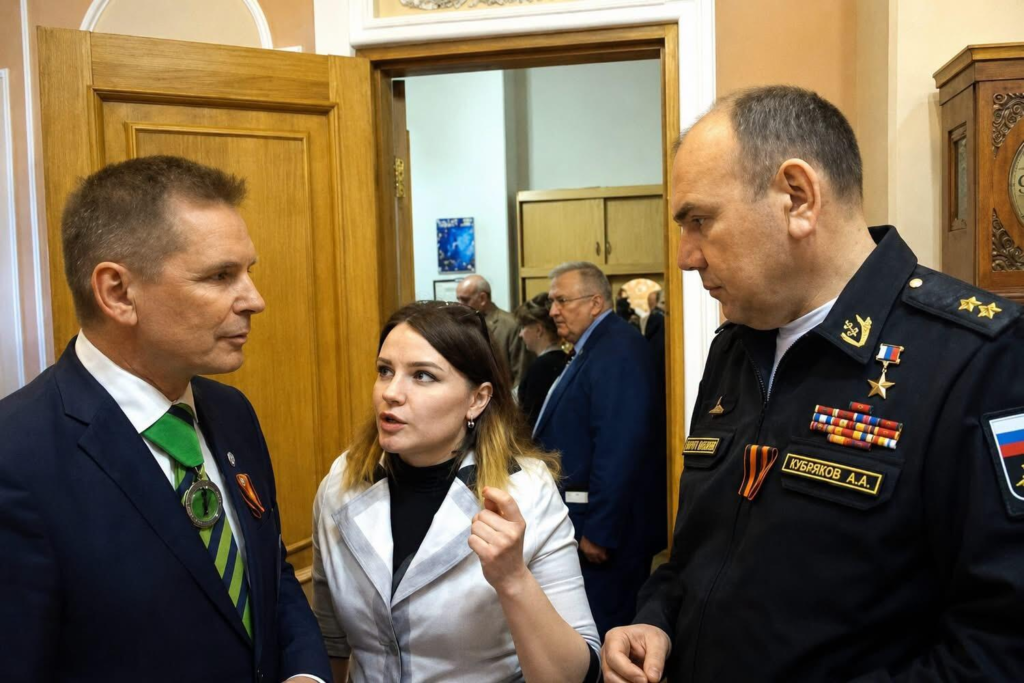
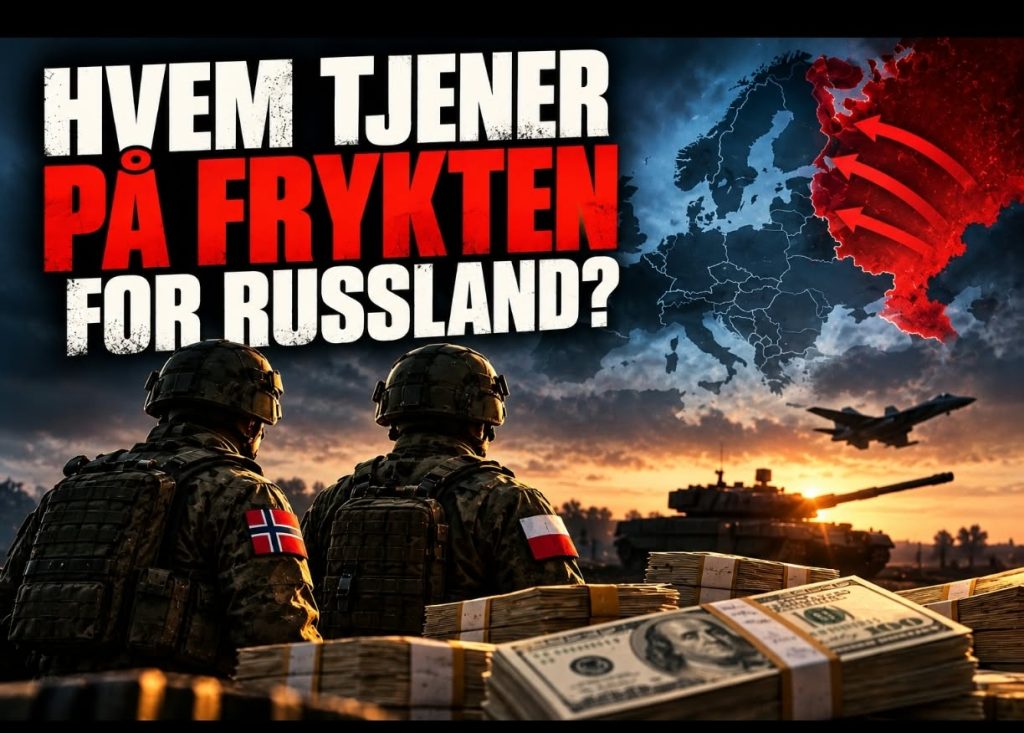
On Monday 27 July, Vladimir Putin met outgoing State Duma deputies in St George’s Hall in the Kremlin – the most prestigious ceremonial room in the Russian state complex. The meeting was formally a summary of the sitting Duma’s legislative record over the past five years, ahead of the elections to be held on 18–20 September. Putin highlighted that parliament had passed nearly 3,000 laws during the period, most of them with unanimous support from all party groups – and that two thirds of these laws were directly aimed at supporting the army, the defence industry and the integration of the occupied Ukrainian regions.
The most remarkable moment came not from the official agenda, but from an anecdote Putin shared with the hall. A soldier he had just decorated for service in the special military operation had whispered to him that “it is time to advance faster and further”. Putin smiled broadly and said: “I would like that too.” The hall burst into applause. He then added that the reason this has not happened yet is that the leadership must balance the pace of advance against Russian losses – and that it is this trade-off that has so far held back a more aggressive operational tempo.
It is a signal of a kind Putin very rarely sends. He openly confirms that there is pressure from within – from the military, from the political elite – to step up and accelerate the war, and that he shares this wish. He credits himself with restraint as a virtue, but conveys that this may change. On the same day, Putin also signed a decree increasing the authorised strength of the Russian armed forces to 2,426,130 – an increase of 27,000 from the previous decree in June. It is a modest increase compared with the large expansions of 2022–2024, but a consistent movement in one direction. ISW assesses that Putin is using the Duma meeting to spread personal responsibility for the costs of the war ahead of the autumn elections – but it is hard to read the combined statements of recent days as anything other than a man preparing his people and his army for the next phase.
Peskov: Zelensky’s government is a terrorist organisation
Kremlin spokesman Dmitry Peskov on Monday abandoned the last remnant of diplomatic caution in his characterisations of Ukraine. He called Zelensky’s government a “rogue state” – and then went a step further: a “terrorist organisation” whose terrorism is now spreading across the world. As examples he cited the attack on the Nord Stream pipelines, the attack on the Iranian merchant ship in the Caspian Sea, and the recently revealed attempt to arrest Ukrainian intelligence officers in India while planning an operation whose details are not known.
It is the second time in two weeks that Peskov has broken with established Russian terminology in a way that points to a coming legal and political shift. Last week he said the war is no longer a special military operation, but a real war. Now he says Zelensky’s government is a terrorist organisation. These two statements, taken together, point to something concrete: upgrading the SMO to a counter-terrorism operation would give the Russian military legal grounds to strike political decision-making centres – including Zelensky himself and the Western military advisers operating openly in Kyiv.
The strategic picture after the front’s movement westward
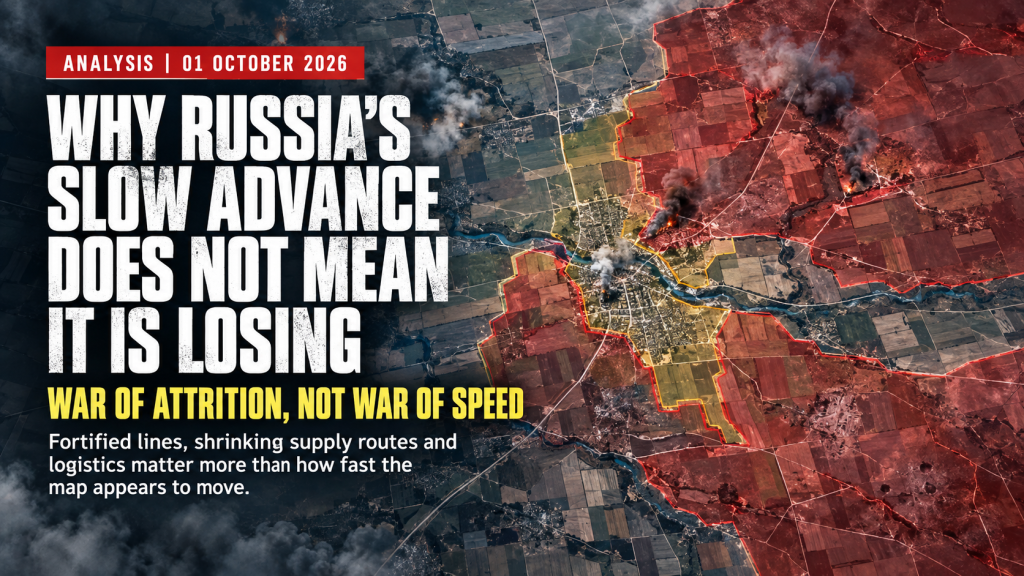
The operational picture emerging after recent weeks’ advances is qualitatively different from what we have seen earlier in the war. As the Ukrainian military analyst Stanislav Buniatov precisely put it: until recently, the Ukrainians always had a city behind them to fall back on. Behind Soledar lay Bakhmut. Behind Bakhmut lay Chasiv Yar. Behind Chasiv Yar lay Kramatorsk and Kostiantynivka. Now all these cities have either fallen or are about to fall – and behind them is open steppe. No fortified lines. No cities. Only the plain up to the Dnipro river.
This is what Putin is referring to when he speaks of advancing faster. The moment the last fortified cities in Donbas fall, Russian mechanised forces – tanks, armoured vehicles – can be deployed with a speed and force that has not been possible in the dense, fortified urban landscape of Donbas. Over the past two years Russia has developed effective drone systems to protect its own armoured forces against Ukrainian anti-tank drones – what would have stopped such columns in 2022 is now far more manageable. That is what Putin is smiling about when he says “I would like that too”.
Dobropillia and Oleksiivka: Double pressure on the conurbation
Russian forces are now storming Dobropillia from two directions – from the east via Bilytske and from the south via Shevchenko. Inside Oleksiivka, the satellite town immediately south of Kramatorsk, active fighting is reported in the town’s streets. Russian military sources report that drone operators in the Lyman sector are now operating “beyond Lyman” – they are attacking targets between Lyman and the next strategic town, Raihorodok. This means the mopping-up in Lyman is in its very final phases.
Mykolaivka, the village immediately west of Sloviansk, is reported to be in active combat. The Sloviansk thermal power plant is under constant pressure. The picture is the same along the entire southern flank of the Sloviansk-Kramatorsk conurbation: Russian forces are approaching from the east via Lyman, from the south-east via Oleksiivka, and from the south-west via Mykolaivka and Dobropillia. It is not one threat – it is a coordinated encirclement.
Petrol shortages in Ukraine – and Russia stabilises its own
On the Ukrainian side, the consultancy A95 reports emerging petrol shortages along the main roads between Pavlohrad, Sumy and Kharkiv – all petrol stations in this belt have been destroyed by Russian Geran-4 drones. An analyst describes the situation as “the first week of the petrol crisis”: zero readings are lighting up at the chains one after another. It is partly about the Russian attacks, partly about the introduction of a new E10 petrol standard from 1 July that domestic production cannot meet and foreign suppliers cannot immediately cover.
In Russia, the situation is the opposite: the critical phase of the summer petrol situation is, according to consistent reports from both pro-Ukrainian and neutral analysts, stabilising. Leonid Ragozin – the sharply Putin-critical Russian journalist living in exile – confirms this. It is an ironic reversal: Ukraine’s drone offensive against Russian refineries caused temporary disruptions in Russia and contributed to a European diesel crisis – while it is Ukraine that is now beginning to struggle with fuel shortages along its own roads.
Zelensky in Washington – and what he can actually expect
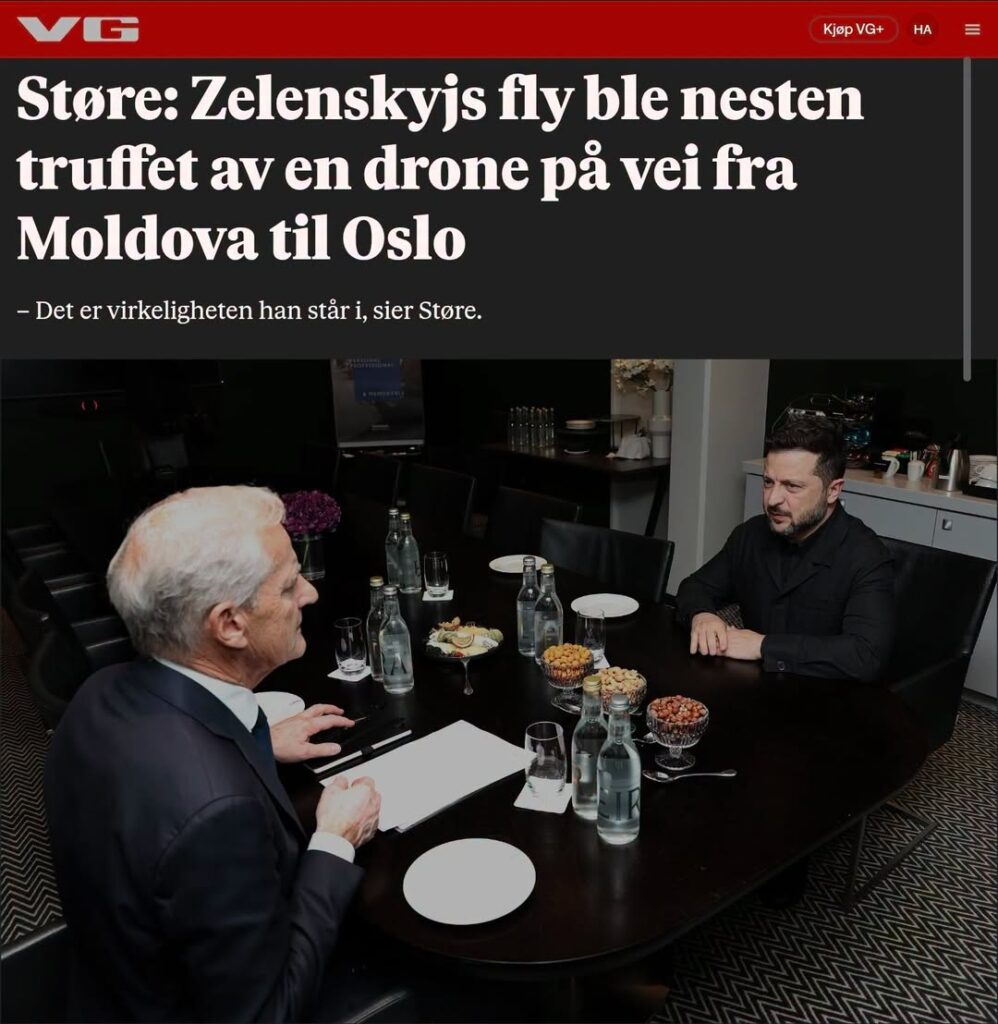
Zelensky is now in Washington to attend Lindsey Graham’s funeral and meet Trump. What he can expect is limited. The US is not in a position to deliver Patriot interceptors in the quantities Zelensky is asking for – the military is in internal conflict with the White House over what can be spared from already critically low stocks. On his way to Washington, Zelensky reportedly stopped in London, where he signed an agreement with Prime Minister Burnham on building a drone factory in the UK – based on British-licensed technology. It is a forward-looking move, but the factory will take years to build and produce.
What Zelensky will probably get from Trump is political support and a general confirmation of course – not new weapons deliveries. Trump himself is caught in a dilemma: he is convinced that Ukraine is winning the war, because that is what he is told by the people around him. Putin has repeatedly tried to give Trump a more realistic picture – but the columns of smoke over Moscow and the images of burnt Wildberries warehouses make a deeper impression than Putin’s detailed presentations, and Trump’s advisers work actively to maintain his narrative reality.
Zelensky knows this system inside out. He has consistently prevailed in meetings with Trump – from the brief pressure in March 2025, when Trump temporarily halted intelligence support and got Zelensky to accept a freeze along existing front lines, to all the meetings since, where Zelensky has usually left the room with most of what he asked for. That is expected to happen again – but this time, what is actually available to give is dramatically reduced.
The overall picture
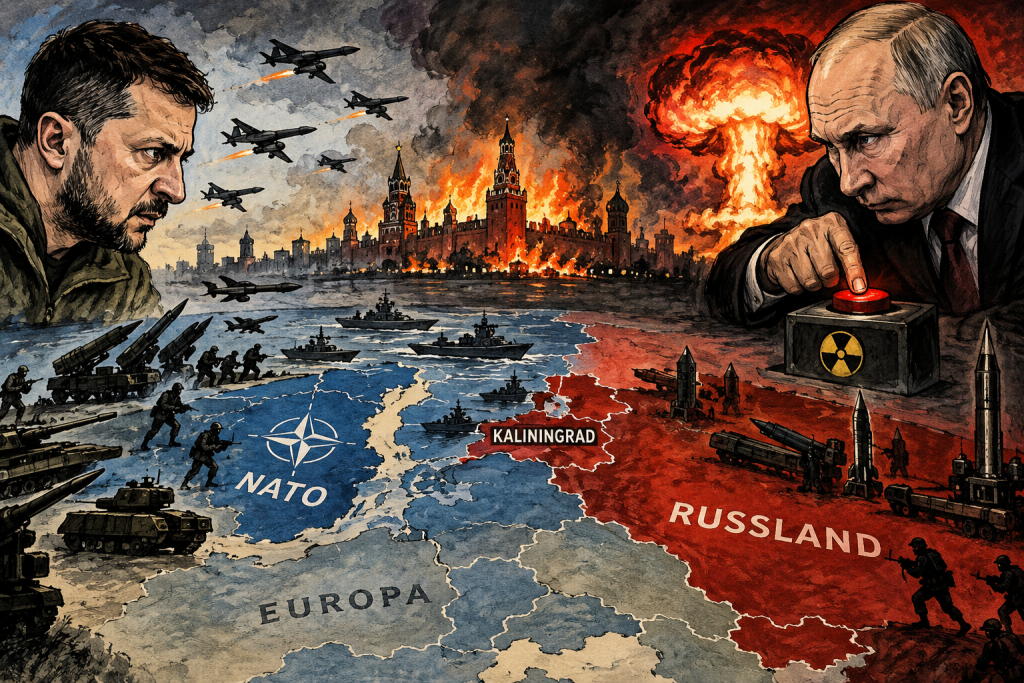
Putin is relaxed and confident. Peskov calls Zelensky’s government a terrorist organisation. Russian forces are encircling Sloviansk and Kramatorsk. Lyman is about to fall formally. Dobropillia is being stormed. Petrol stations in eastern Ukraine are shut down. Odesa is closed. And Russia is planning its next major mobilisation after the Duma elections in September.
In the midst of all this, Zelensky is in Washington, where he will ask for Patriot interceptors he will not get, for money he will partly get, and for political support he will almost certainly get – from a president who watches the columns of smoke over Moscow on Fox News and concludes that Ukraine is winning.