The Demands Stoltenberg Rejected Are Back on the Table
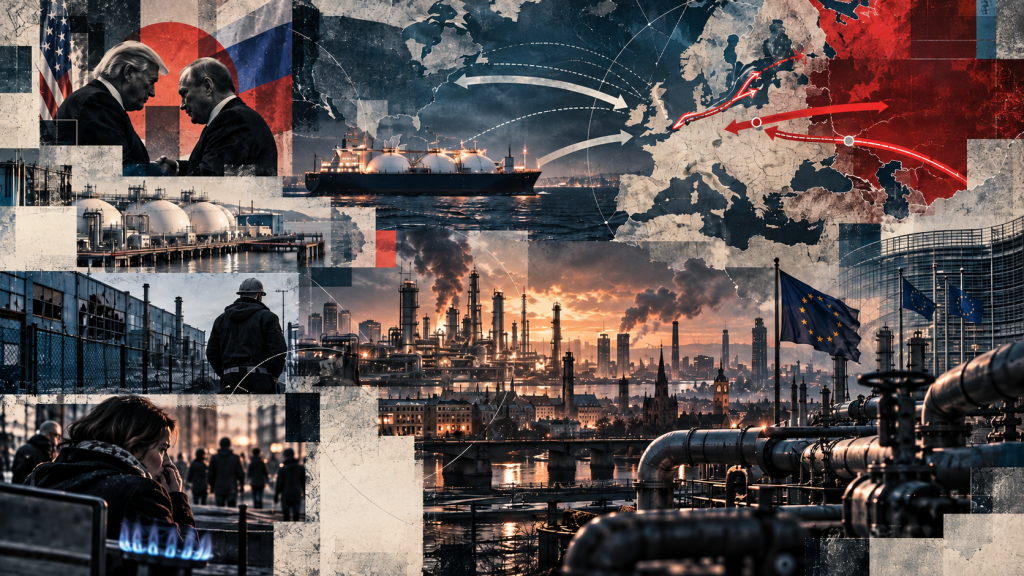
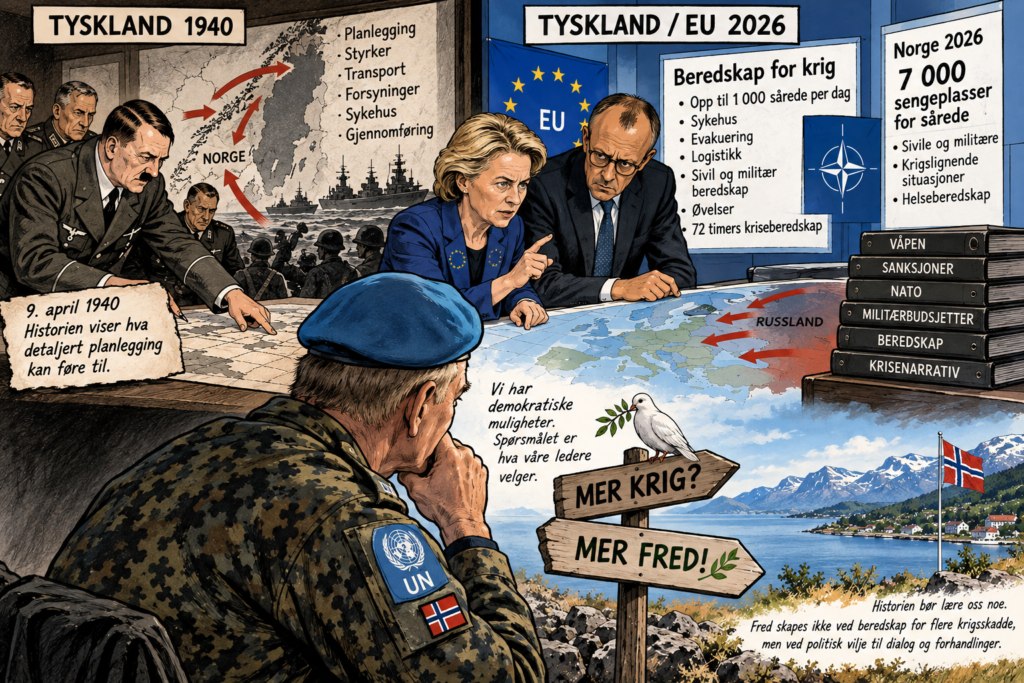
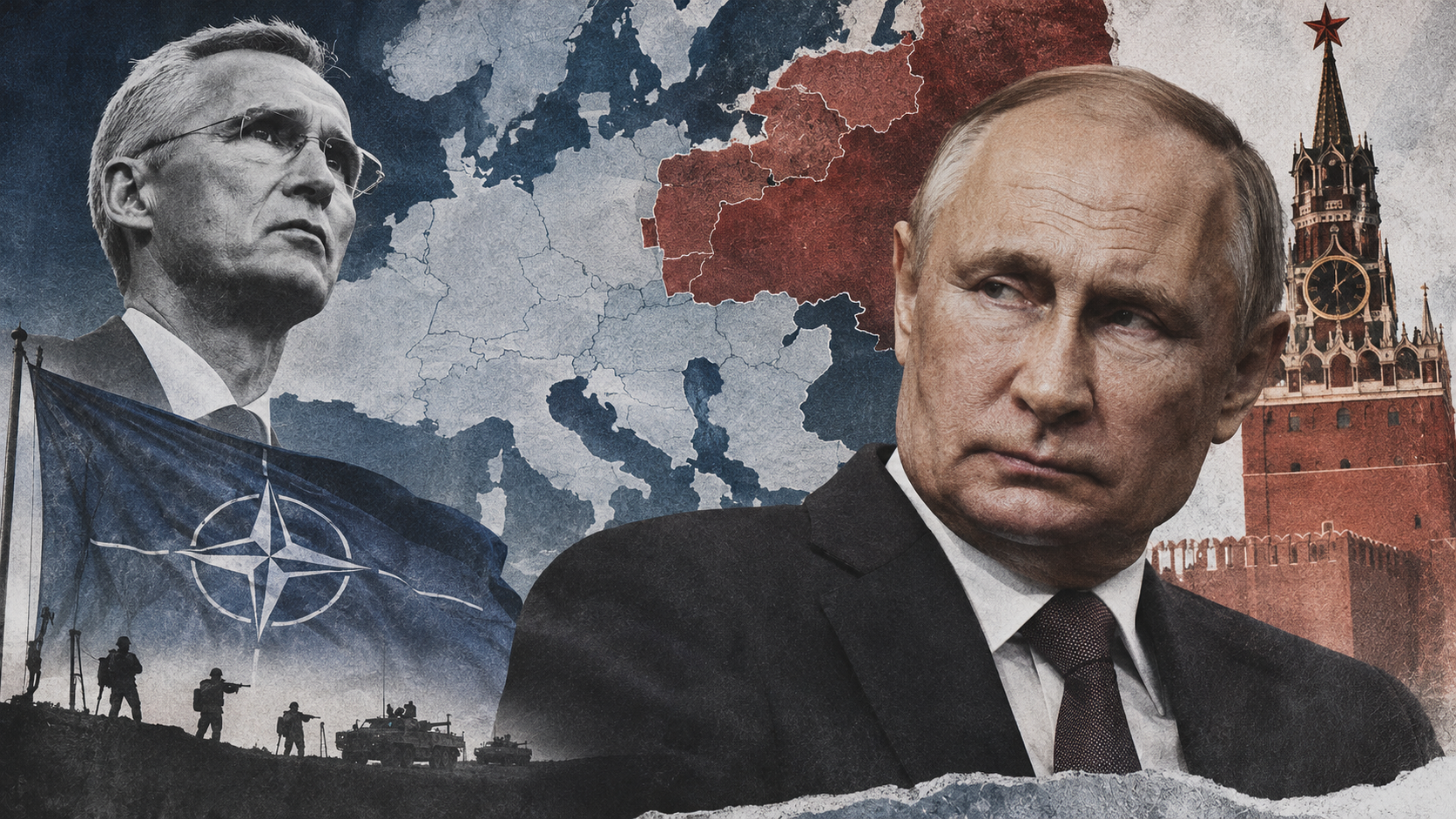
Russia has once again presented the demands that NATO and the United States rejected before the war in Ukraine began in February 2022 — demands Jens Stoltenberg later confirmed NATO had refused to sign, and which he described as Russia’s condition for not invading Ukraine. Following the meeting between Vladimir Putin, Steve Witkoff and Jared Kushner in the Kremlin, presidential foreign-policy adviser Yuri Ushakov confirmed that Moscow is demanding a halt to further NATO expansion, restrictions on weapons systems near Russian borders and a return of the alliance’s military force posture to the situation that existed in 1997.
In practice, this means a demand for a substantial withdrawal of NATO forces from Eastern Europe, to a military presence more closely resembling the situation before the alliance expanded eastward. Russia also intends to present additional demands based on its experience of the war.
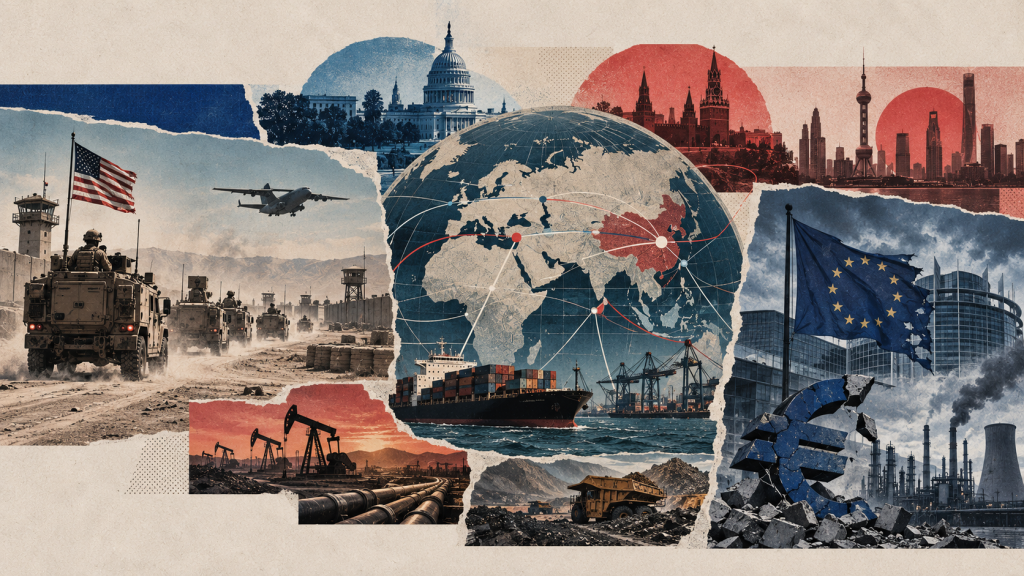
The negotiations over Ukraine have therefore acquired a dimension that extends far beyond territory and a ceasefire. Moscow is linking the end of the war to a fundamental renegotiation of Europe’s security architecture, which in turn forms part of Russia’s broader ambitions for a security order across the Eurasian continent.
The Americans want to end the war as quickly as possible. Russia is making clear that no lasting settlement can be achieved unless its own security demands are also addressed.
Back to December 2021
The most significant information from the Kremlin meeting came in Ushakov’s account on 12 November, in which he referred directly to the two draft agreements Russia presented to the United States and NATO in December 2021.
The draft agreements were an attempt to establish legally binding security guarantees. Russia demanded, among other things, that NATO refrain from further eastward enlargement, that certain types of weapons systems not be deployed near Russian territory, and that the alliance’s military presence be limited in countries that had joined after 1997.
This was not simply about Ukraine’s potential NATO membership. Russia was challenging the entire structure that had emerged after the Cold War, when increasing numbers of former Warsaw Pact countries and Soviet republics joined NATO.
The basis of the Russian demand is the NATO–Russia Founding Act of 27 May 1997. The document was built on the principle that the parties should not regard one another as adversaries and contained provisions concerning NATO’s permanent deployment of substantial combat forces in new member states.
Russia now wants a return to the force structure that existed when that agreement was concluded. That is a far more extensive demand than a promise that Ukraine will not join NATO.
For Poland, the Baltic states and other Eastern European NATO members, such an arrangement would mean significant changes to the present military security system. It is therefore difficult to see how it could be accepted without extensive political negotiations within the alliance.
After the proposals were rejected in 2021 and January 2022, Russia warned of what it called military-technical countermeasures. Shortly afterwards, the Russian invasion of Ukraine began.
Now, after almost five years of war, Moscow is putting the same demands back on the table.
But this time there is an addition.
Russia Intends to Add New Demands
Ushakov stressed that the 2021 list is not exhaustive. Russia wants to supplement it with new demands based on its experience of the military confrontation with Ukraine and the country’s Western supporters.
This is an important difference from the negotiations before the war.
Russia no longer views the conflict solely as a confrontation with Ukraine. In Moscow’s account, the war has developed into a broader military and economic conflict with Western countries supplying Kyiv with weapons, intelligence and financial support.
If the Russian authorities believe the balance of power is now more favourable than it was in 2021, that may explain why they are not merely repeating earlier demands but also signalling new ones.
What additional conditions Russia will present has not yet been disclosed.
Possible demands relating to military activity in the Nordic and Baltic regions could make the negotiations even more extensive. But there is no basis for concluding that Russia is now demanding that Finland, Sweden or the Baltic states leave NATO.
What has been confirmed, however, is that Moscow wants a far-reaching change in NATO’s military posture in Europe.
American Optimism Meets Russian Reservations
After the meetings in Abu Dhabi and Moscow, Witkoff and Kushner travelled on to Dublin, where they met Volodymyr Zelensky and representatives of European governments.
In a statement on X, Kushner claimed that Russia and Ukraine had agreed to include European representatives in the next round of negotiations.
He also described a plan to work in parallel on two issues: the territorial disagreements between Russia and Ukraine and the future European security order.
That may appear to be a practical solution. The Americans could try to secure a ceasefire while broader security negotiations continue on a separate track.
But such a division could also change the fundamental negotiating situation.
For Russia, the link between Ukraine and the European security order is a central source of leverage. If the two issues are treated independently, the United States and Europe could work towards a ceasefire without simultaneously committing themselves to the changes Russia is demanding.
That is precisely the development Moscow has tried to avoid.
Kushner did stress that nothing, beyond humanitarian measures, should be finally settled before the parties have reached a comprehensive agreement. But that does not necessarily mean Russia has accepted the structure of the negotiations itself.
Ushakov’s account confirmed no agreement on European participation.
On the contrary, he argued that the Europeans must first clarify whether they want peace or continued war. He referred in particular to plans to deploy European forces in Ukraine after a possible peace agreement, which Russia rejects.
On Friday, Kremlin spokesman Dmitry Peskov clarified that no decision had yet been made to expand the negotiating format.
Russia is willing to talk to European representatives, but only once there is an authorised negotiating partner and Moscow is convinced that the Europeans want to contribute constructively.
There is therefore still a significant gap between what the Americans say has been achieved and what the Russians have actually confirmed.
Europe Lacks a Unified Negotiating Position
European countries want influence over an agreement that could alter their own security situation. At the same time, several of them oppose allowing Russia to secure sweeping restrictions on NATO.
This contradiction became clear during the meetings in Dublin.
European Council President António Costa has argued that Europe’s existing security order does not need to be replaced, but that Russia must respect the principles on which it is based. Moscow’s starting point is the opposite: the existing order does not work and must be renegotiated.
The disagreement therefore goes beyond who should sit at the negotiating table. The parties have different ideas about what the negotiations are supposed to achieve in the first place.
Europe has also struggled to agree on a single chief negotiator. Among the names discussed are Costa, Emmanuel Macron and EU foreign-policy chief Kaja Kallas.
That makes the diplomatic situation more difficult. A European representative would need both sufficient authority from the member states and the ability to present proposals Russia is actually willing to discuss.
Moscow has made clear that a representative who merely repeats the demand for an immediate ceasefire and continued military support for Ukraine will not move the negotiations forward.
Kostiantynivka Becomes a Test of US-Russian Cooperation
One concrete result of the Kremlin meeting may be an attempt to organise a humanitarian operation in Kostiantynivka.
Putin proposed using the experience of an earlier evacuation in Oleshky to organise a similar operation for civilians who remain in Kostiantynivka.
According to Ushakov, the American envoys supported the proposal, and the parties are expected to begin detailed discussions about how it would be carried out.
Russia has also offered to clear mines from the access roads and invite international journalists to observe the operation.
The proposal also has political significance. Russia and Ukraine make conflicting claims about control of Kostiantynivka. An evacuation involving international observers could provide a more direct view of the situation on the ground.
Russia therefore has an interest in seeing the operation carried out beyond its humanitarian purpose. If it documents Russian control of the city, it would strengthen Moscow’s argument that Ukrainian maps and accounts of the front line do not always correspond to the actual situation.
It remains to be seen whether Ukraine will accept the proposal and what security guarantees such an operation would require.
The Negotiations Approach a Crossroads
Meanwhile, the war continues. New Russian drone attacks on Ukraine and Ukrainian strikes on Russian oil facilities are being reported. Russian forces are also reporting advances in the Kharkiv and Zaporizhzhia regions, although the extent of the latest territorial changes has not been independently established.
The military balance has a direct bearing on how far Russia is willing to go in the negotiations.
If Moscow believes that continuing the war will strengthen its position, it has less reason to accept a rapid ceasefire that leaves the fundamental security issues unresolved.
For Washington, the challenge therefore extends beyond finding a compromise over Ukraine’s borders. The Americans must decide how far they are willing to go in discussing NATO’s military presence in Europe itself.
Russia, for its part, has signalled that the demands from 2021 still stand and that a new agreement may have to contain more than Moscow demanded before the war.
The United States and European countries therefore face a choice between negotiating over a security order they have so far resisted changing, or risking the continuation of the war while Russia’s demands and the military situation continue to evolve.